Mill Batching
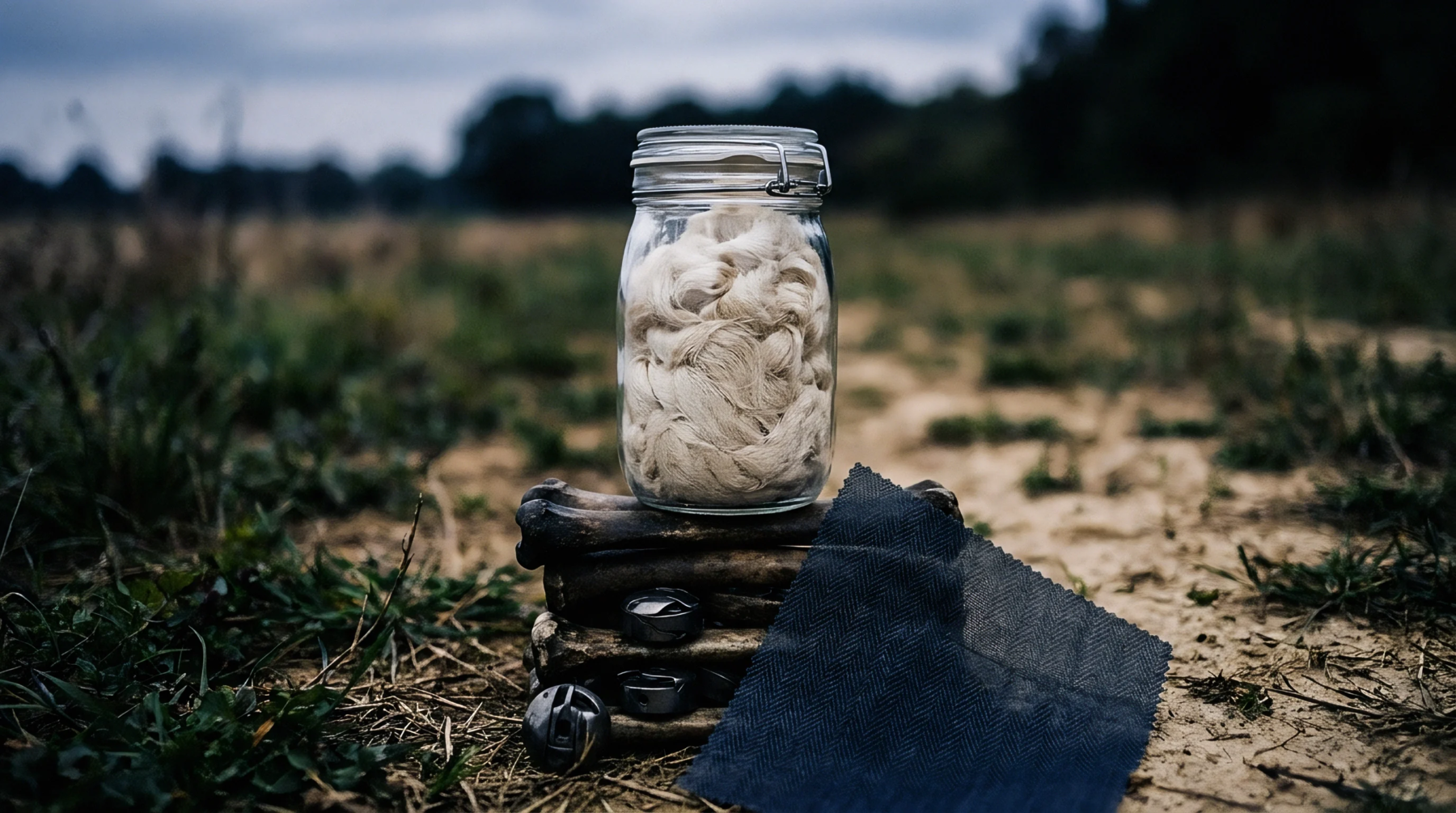
The incoming flax straw lot arrives from northern provinces as pulled and retted bundles before mechanical decortication separates the woody core from the bast fibres. Chinese spinning mills receive these raw batches under standard moisture regain limits stipulated in export contracts. Technicians measure breaking length and linear density on sample tufts drawn from random bales to establish a baseline quality index.
This initial testing document travels with the material into the carding room where parallelisation begins.
Drafting Ratio
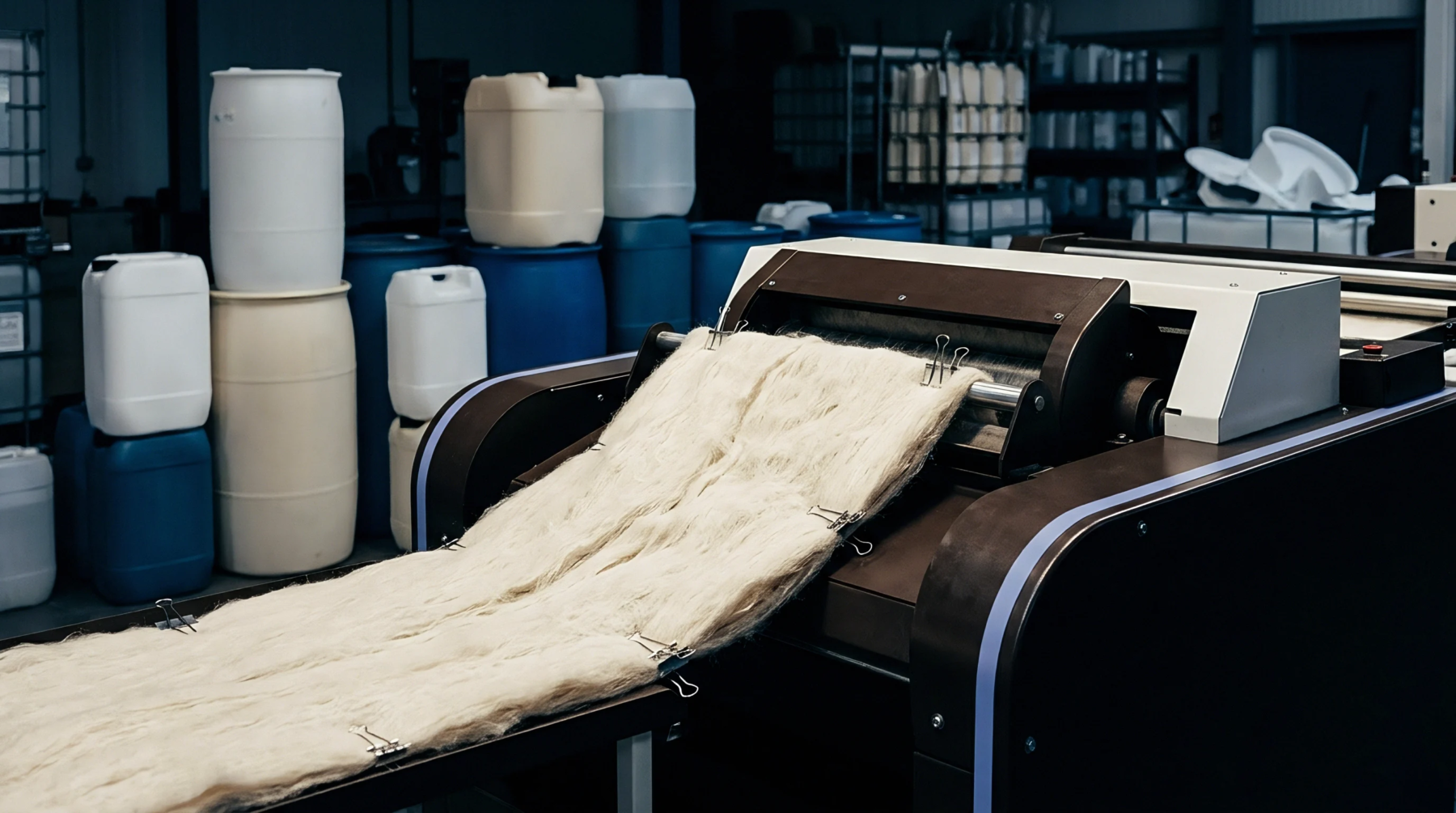
Processing machinery draws the sliver repeatedly to align individual ultimate cells before roving frames impart minimal twist for roving structural integrity. Chinese spinning mills operate wet spinning frames for fine linen counts and dry spinning frames for coarser yarns destined for heavy industrial canvas. Production logs record twist multiplier settings and roller pressure parameters for every shift to maintain consistency across spindle banks.
Wet spinning temperatures influence gum softening directly, which determines the smoothness of the resulting continuous filament yarn.
Export Inspection
Finished yarn bobbins undergo laboratory assessment for tenacity and hairiness before packing into cartons for overseas garment manufacturers. Chinese spinning mills issue mill test certificates containing twist variation percentages and count strength products derived from conditioned skein tests. Buyers evaluate these physical properties against specific contractual tolerances rather than arbitrary aesthetic standards.
Final acceptance depends on strict adherence to stipulated imperfections per thousand metres of yarn.