Cellulose Microfibril Orientation Effects on Flax Fiber Strength
Steep cellulose microfibril angles maximize flax tensile modulus, while processing kinks trigger premature shear failure that degrades hackling yields and yarn counts.
Steep cellulose microfibril angles maximize flax tensile modulus, while processing kinks trigger premature shear failure that degrades hackling yields and yarn counts.

Diffraction azimuthal deconvolution isolates bast microfibril misalignment and kink bands, protecting spinners from premature drafting failure and yield loss.
Scutching impact speed and low fiber moisture drive microfibrillar dislocations in flax secondary cell walls, lowering tenacity and hackling yield.
Secondary wall microfibrillar angle directly limits wet spun line yarn tenacity by setting crystallite load distribution before trough degumming.
Widened microfibril angles reduce single fiber tenacity by increasing matrix shear stress, requiring X-ray diffraction checks to prevent yarn breakage.
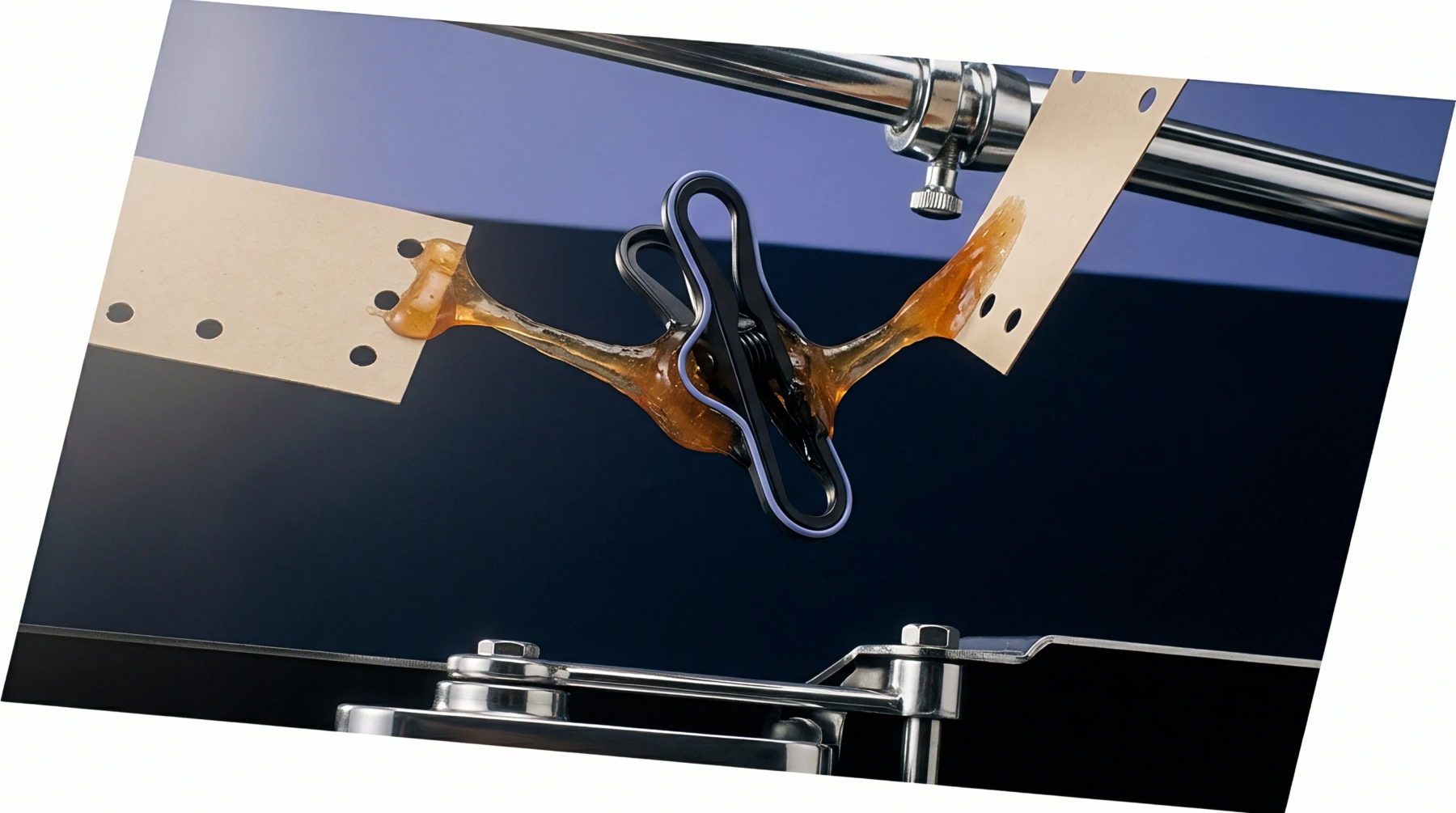
Steep secondary cell wall microfibril orientation maximizes bast fiber axial tenacity, reducing yarn breakages and lower landed spinning costs.
Cellulose microfibril angle variance above 2.0 degrees reduces wet-spun flax tenacity by up to 18 percent due to uneven stress distribution in the S2 layer.
Expertise is a utility, not a secret. sentiention™ publishes its working knowledge as open reference: intelligence layer covering the materials it sources, the markets it enters, and the reference that serves both.