Pectin Extraction
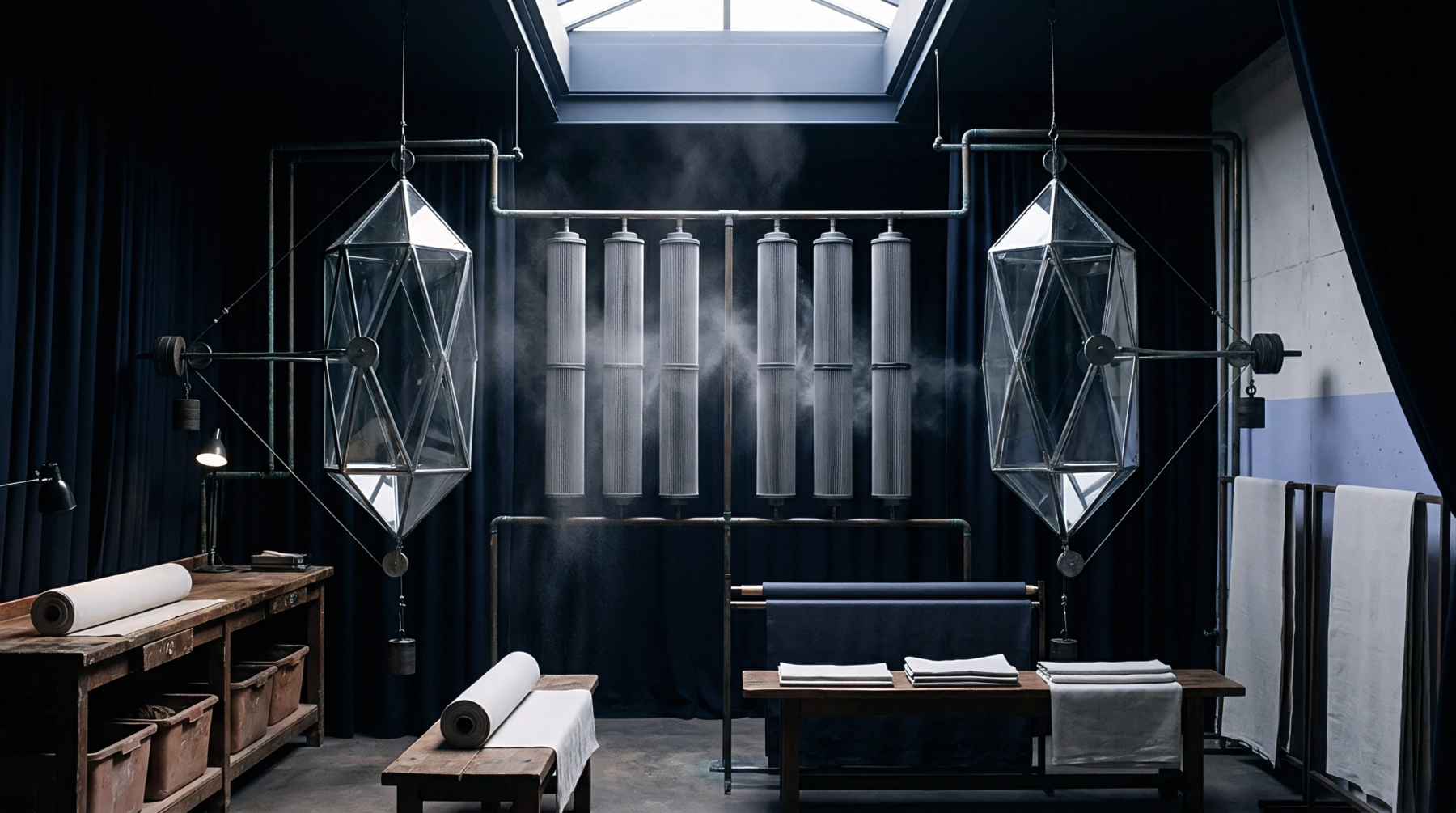
Wet pretreatment of intermediate flax strands in alkaline liquor dissolves structural lignin and plant gums prior to fine wet spinning. Spinning technicians utilize roving boiling to soften natural pectins binding bundle structures into flexible individual fibres. This thermal chemical process takes place in pressurized kier vessels containing sodium hydroxide, wetting agents, and sequestering chemical additives.
Softened roving permits high draft ratios on spinning frames without fibre breakage or slippage. Pretreatment ends when boiled roving spools are rinsed and transferred to wet spinning creels.
Thermal Treatment
Chemical breakdown of inter-fibre pectins requires strict control over bath temperature and alkali concentration. During linen processing, roving boiling solubilizes calcium pectanate compounds located within middle lamella tissues of flax stems. Excessive boiling duration degrades cellulose chains.
Deficient treatment yields stiff yarn.
Spinning Boundary
Uneven chemical liquor circulation causes inconsistent yarn count and variable tensile strength across spools. Stainless steel perforated tubes carry hot alkaline solution evenly through dense roving packages mounted inside pressurized kiers. Rinsing stages remove residual alkali to prevent fibre degradation during subsequent storage.
Temperature variations exceeding two degrees Celsius cause noticeable dye uptake inconsistencies in finished fabrics. Over-boiled flax roving loses mechanical strength and generates excess waste during spinning.