Radial Hydrolytic Degradation Gradients across High Pressure Roving Packages
Unmanaged hydrolytic degradation gradients across dense roving bobbins create radial tenacity drops that compromise yarn yield and invalidate origin claims.


Core
Dense winding configurations on perforated stainless steel tubes alter hydraulic resistance during forced liquor circulation. In high-pressure flax roving processing, package densities ranging between 0.38 and 0.52 grams per cubic centimeter present substantial resistance to radial liquid flow. Differential fluid pressure across the winding wall governs chemical transport through the fiber bed.
When treatment liquor circulates from the internal tube outward, hydraulic pressure drops continuously across the package radius. Flax fibres resist water penetration. Liquid velocity near the perforated stainless steel surface exceeds velocity at the outer bobbin boundary, establishing a steep mass-transfer gradient across the package thickness.
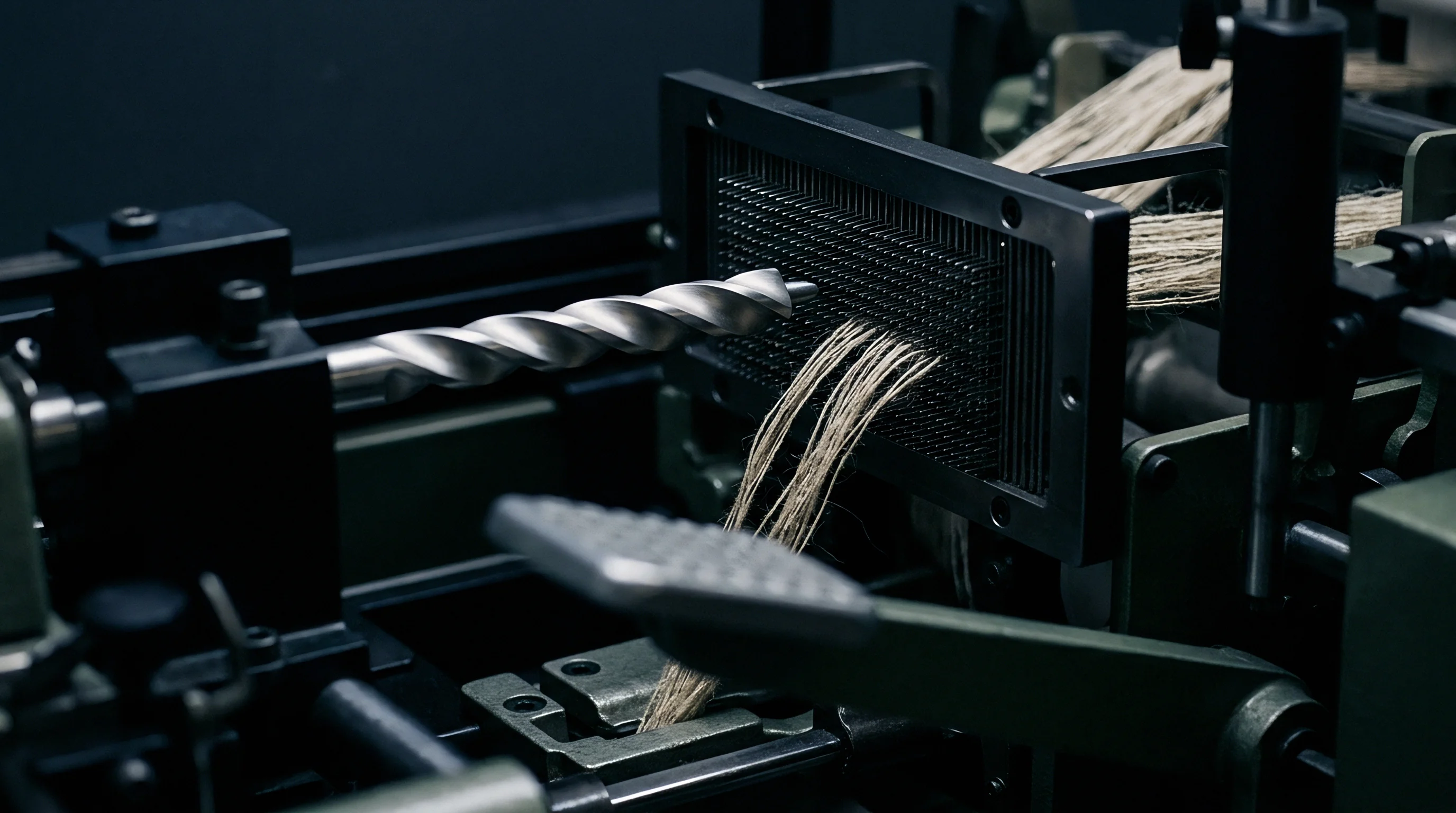
Fluid Flow Hydraulics across Package Radius
Liquor velocity drops as liquid penetrates compressed flax bundles from inner bobbin surfaces toward outer boundaries. High package density restricts convective flow, shifting chemical transport toward slow diffusive mechanisms within internal winding layers. Pressure drop drives fluid velocity.
When processing equipment operates at elevated temperatures between 120°C and 130°C, high fluid resistance creates localized flow stagnation near the core tube. Stagnant zones retain spent chemical liquor, preventing fresh reagent replenishment and heat dissipation during intensive scouring or bleaching cycles.
- Channeling Short-Circuits fluid bypasses tightly packed regions, leaving internal yarn zones exposed to stagnant high-temperature chemical accumulation without continuous active exchange.
- Differential Compaction centrifugal force during winding packs inner fiber layers tightly against perforated tubes, increasing resistance to radial chemical penetration.
- Thermal Trapping restricted circulation prevents heat dissipation from inner winding zones, causing localized temperature spikes during high-pressure boiling cycles.
- Boundary Layer Stagnation slow liquor movement near structural support tubes allows organic acids to concentrate, accelerating local cellulosic bond cleavage.

Liquor Differential and Thermal Transfer Rates
Temperature probes embedded at varying radial depths reveal significant temperature lags between internal tube walls and outer package surfaces. Internal layers cool slower. During the heat-up phase of a pressure reaction, core winding zones absorb thermal energy rapidly through direct contact with metal tubes and heated liquor.
Convective cooling remains inefficient inside dense inner layers during subsequent wash cycles. Localized thermal accumulation occurs. Extended thermal exposure inside core layers accelerates liquid-phase reaction kinetics, driving differential degradation between inner and outer winding radii.
A fluid differential of 1.8 bar across the package wall reduces inner layer liquor circulation by 34 percent at 125°C.
| Radial Position | Winding Density (g/cm³) | Liquor Velocity (L/min/kg) | Pressure Drop (bar) | Core Peak Temp (°C) |
|---|---|---|---|---|
| 0.51 | 1.2 | 2.4 | 128.5 | |
| 0.44 | 2.8 | 1.1 | 123.0 | |
| 0.39 | 4.5 | 0.3 | 120.5 |
Dyehouse technicians frequently explain inner package discoloration by citing unavoidable flow restriction across stainless steel bobbin sleeves during high-speed circulation cycles.


Hydrolysis
Cellulosic polymer chains undergo chemical degradation when exposure to aqueous acidic or basic reagents cleaves glycosidic linkages. In flax roving packages subjected to high-temperature wet processing, hydronium ion activity drives hydrolytic cleavage of beta-1,4-glucan polymer bonds. The degradation rate depends on local chemical concentration, temperature, and moisture retention within the fiber matrix.
Acid scission cleaves glucosidic bonds. Pectin constituents within middle lamellae experience simultaneous hydrolytic breakdown, altering structural fiber bundle adhesion along the bobbin radius.

Polymer Chain Scission in Flax Cellulose
Viscometric testing reveals pronounced reductions in average molecular weight within regions subjected to prolonged high-temperature liquor retention. Lower viscosity marks chain decay. Cellulose depolymerization follows pseudo-first-order reaction kinetics governed by the Arrhenius equation.
Inner bobbin layers, exposed to trapped thermal energy and concentrated reagents, exhibit lower viscometric degree of polymerization (DPv) compared to outer layers. Lower molecular weight directly correlates with diminished fiber bundle strength, altering downstream wet-spinning behavior.
| Package Layer | DPv (CED Method) | DP Loss (%) | Residual Pectin Content (%) | Local pH Level |
|---|---|---|---|---|
| 1320 | 37.1 | 0.82 | 4.2 | |
| 1780 | 15.2 | 1.35 | 5.1 | |
| 2050 | 2.4 | 1.88 | 5.8 | |
| Tested per ISO 5351 using cupriethylenediamine (CED) solvent; initial raw flax DPv was 2100. | ||||

Pectin Dissolution and Encrusting Substance Removal
Non-cellulosic polymers binding individual ultimate fibers dissolve at non-uniform rates across the winding cross-section. Pectin removal alters bundle cohesion. Non-uniform pectin depletion alters the technical fiber division during wet drafting on flyer frames.
Accelerated hydrolytic breakdown of polygalacturonic acids inside internal bobbin zones strips inter-fiber cement, causing premature bundle fiberization. Outer roving layers retain adequate pectin levels, preserving ideal technical bundle structures for wet spinning.
Cellulose depolymerization accelerates exponentially when acid accumulation coincides with localized thermal entrapment near the winding core.
Neglecting liquor pH stabilization during high-temperature roving boiling causes permanent molecular breakdown, converting entire spinning lots into low-tenacity tow waste.


Tenacity
Mechanical strength variations across bobbin unwinding sequences directly mirror the chemical degradation profile established during wet processing. Tensile evaluation of treated flax roving reveals substantial radial gradients in single-strand breaking force. Outer roving retains higher strength.
Roving pulled from core layers exhibits reduced tenacity, increased mass irregular spots, and elevated breakage rates during subsequent drafting operations.

Why Do Roving Packages Degrade Unevenly?
Unequal liquid resistance and non-uniform thermal dissipation across dense fiber layers cause localized variations in molecular weight loss. Inner roving layers sustain high chemical exposure with minimal fluid renewal, resulting in severe local polymer chain scission. Outer layers receive continuous fresh liquor circulation, preventing local acid accumulation and preserving cellulosic integrity.
Drafting force varies by radius. Differential degradation creates structural weakness concentrated at specific bobbin winding depths.

Tensile Profiling and Spinability Variance
Flier drafting operations experience elevated end-break rates when unwinding transitions from outer high-strength layers to weakened internal zones. End breaks increase spinning waste. Wet spinning frames rely on uniform fiber bundle cohesion to yield smooth, high-tenacity fine linen yarns.
When roving tenacity drops below acceptable thresholds near the core tube, end-break frequencies multiply, forcing operators to lower frame speeds and accept higher tare waste percentages.
- Extract consecutive 50-meter samples from the outer circumference, mid-pack, and core tube boundary of the roving package.
- Condition all extracted specimens at 20°C and 65 percent relative humidity for 24 hours prior to mechanical testing.
- Measure single-strand breaking force across 30 replicates per radial position using an automated tensile tester at 250 mm gauge length.
- Determine viscometric degree of polymerization for each radial layer using cupriethylenediamine solvent according to ISO 5351 standard procedures.
- Calculate the coefficient of variation across radial positions to establish batch uniformity compliance before releasing goods to wet spinning.
| Bobbin Radius Zone | Roving Tenacity (cPcN/tex) | Tenacity CV (%) | Spinning End-Breaks / 100 Spindle Hours | Yarn Count CV (%) |
|---|---|---|---|---|
| 18.4 | 6.2 | 1.8 | 11.2 | |
| 15.1 | 9.8 | 4.2 | 13.8 | |
| 10.2 | 18.5 | 14.6 | 19.4 |
Standard ISO 2062 testing showing tenacity variations exceeding 12 percent across bobbin layers triggers full batch rejection under European linen spinning guidelines.
Higher winding tension on roving bobbins predictably worsens mechanical gradients by compressing core layers against penetrating chemical liquor.


Dossier
Provenance claims covering processed linen yarns depend on continuous paper records aligning raw fiber inputs with finished package outputs. Audit files must trace fiber origin through every chemical conversion stage. Transaction records require lot alignment.
Uncertified lots forfeit origin status. When severe hydrolytic degradation alters fiber yield or forces mills to blend uncertified filler material to restore average tenacity, the documentary chain of custody collapses.

Scope Certificates and Transaction Lot Mapping
European Flax certification requires matching transaction documents to specific bale identifiers and mill processing batches. Lab reports validate scope claims. Scope certificates establish facility compliance, while transaction certificates confirm the physical transfer of certified volume.
If high hydrolytic degradation forces a mill to discard core package layers as waste, mass balance calculations reflect abnormal losses. Discrepancies between raw fiber input tonnage and certified yarn output tonnage trigger immediate qualification audits.
- Raw Bale Certificates authenticates geographic origin and European Flax certification status for incoming unspun fiber lots before mill processing begins.
- Wet Processing Logs records real-time pressure, temperature, and pH parameters across bobbin treatment cycles to verify uniform chemical exposure.
- Viscometric Test Reports documents degree of polymerization compliance across inner and outer bobbin layers issued by ISO 17025 accredited laboratories.
- Transaction Certificates validates mass balance figures during ownership transfers, accounting for unavoidable fiber loss during scouring and spinning.
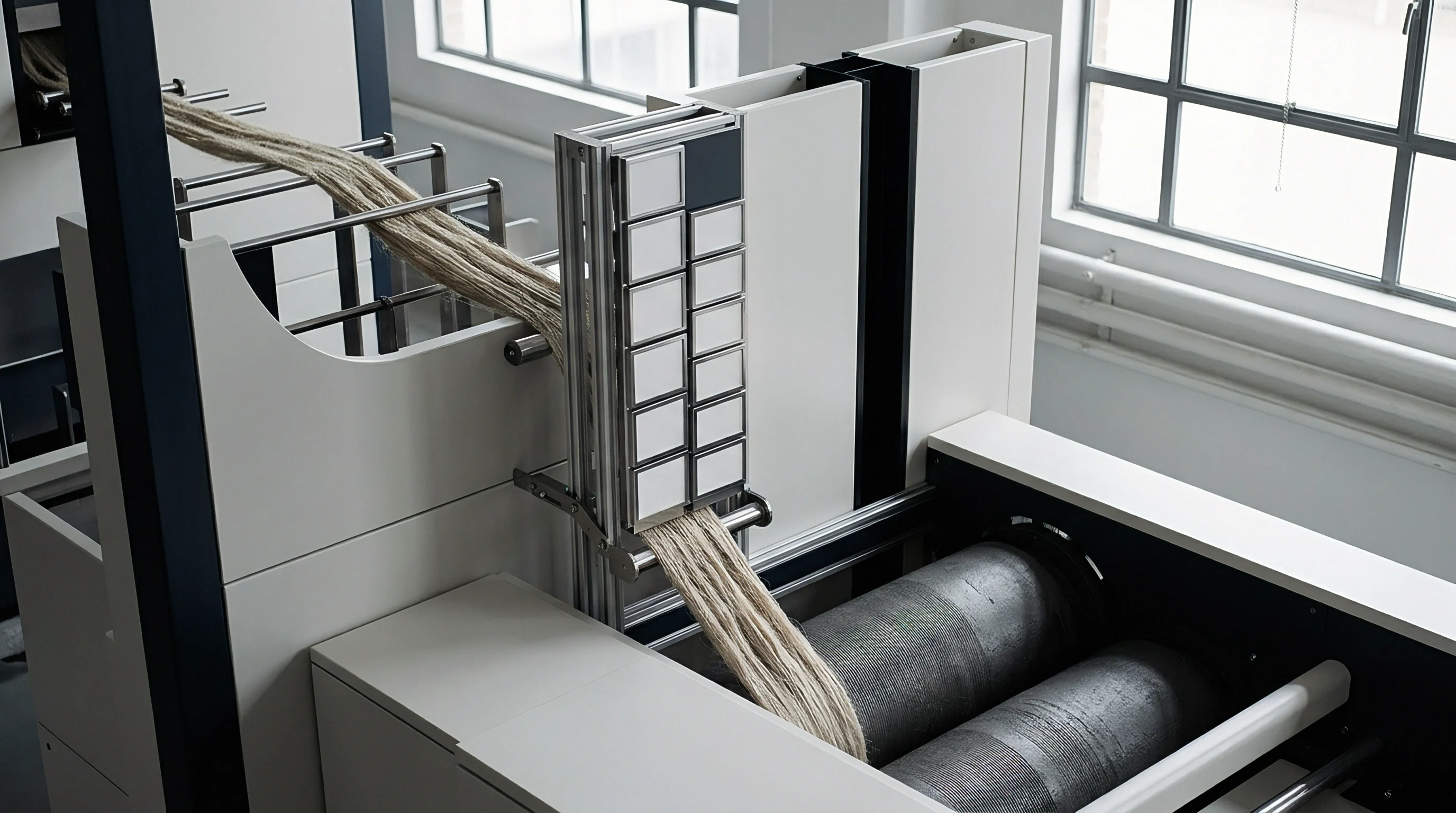
Mill Verification Protocols and Sampling Rules
Auditors inspect physical inventory stores, comparing batch numbers on bobbin crates against declared mass balance calculations. Physical audit protocols require stratified radial sampling of stored roving packages. Sampling rules prevent mills from presenting only outer-layer test specimens to qualify degraded batches.
Comprehensive qualification files contain laboratory verification of inner, middle, and outer package tenacity to ensure structural compliance across entire production lots.
Clause 4.2 of European Flax scheme rules invalidates transaction certificates whenever mass balance audits reveal untracked fiber loss during wet pretreatment stages.

Settlement
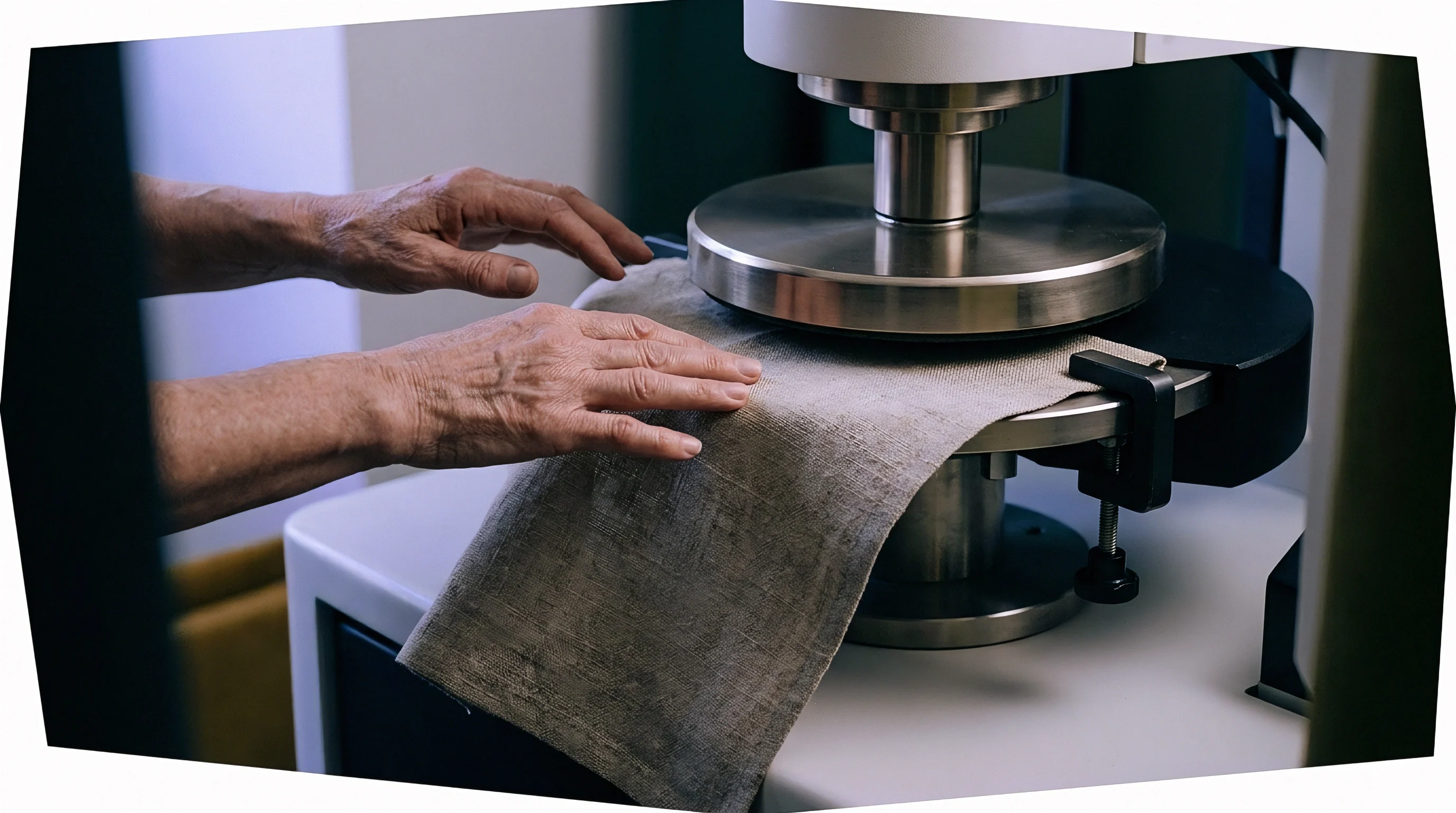
Financial adjustments for degraded yarn consignments rely on contractual penalty formulas tied to measured tenacity variations. Flax origin requires intact paper. Price deductions adjust invoice totals.
When buyers receive yarn packages exhibiting hidden core degradation, commercial dispute resolution mechanisms dictate cost allocations. Contracts specify allowable thresholds for tenacity coefficients of variation across bobbin layers.

Commercial Offsets for Defective Yield
Spinning mills issue credit notes when internal package weakness increases end-break rates beyond contractual tolerance limits. Deductions apply directly to landed invoice value. Claims calculations evaluate both direct material loss and reduced loom shed efficiency during weaving.
If core yarn degradation exceeds 15 percent of total package mass, buyers retain rights to reject entire production lots at the seller expense.

Warranty Terms for Certified Yarn Consignments
Supply contracts define seller liabilities for downstream weaving defects caused by unmanaged chemical degradation during roving preparation. Origin warranties enforce both geographic provenance and technical fitness for purpose. Sellers warrant that certified linen yarns maintain uniform viscometric properties throughout package volumes.
Failure to meet structural uniformity standards breaches origin performance warranties, transferring financial liabilities back to the primary spinning facility.
Undocumented yarn degradation hidden inside bobbin cores destroys provenance value at the loom shed.
Whether chemical scavengers introduced during wet drafting can fully neutralize core degradation without altering European provenance credentials remains open to trade verification.