Residual Collection
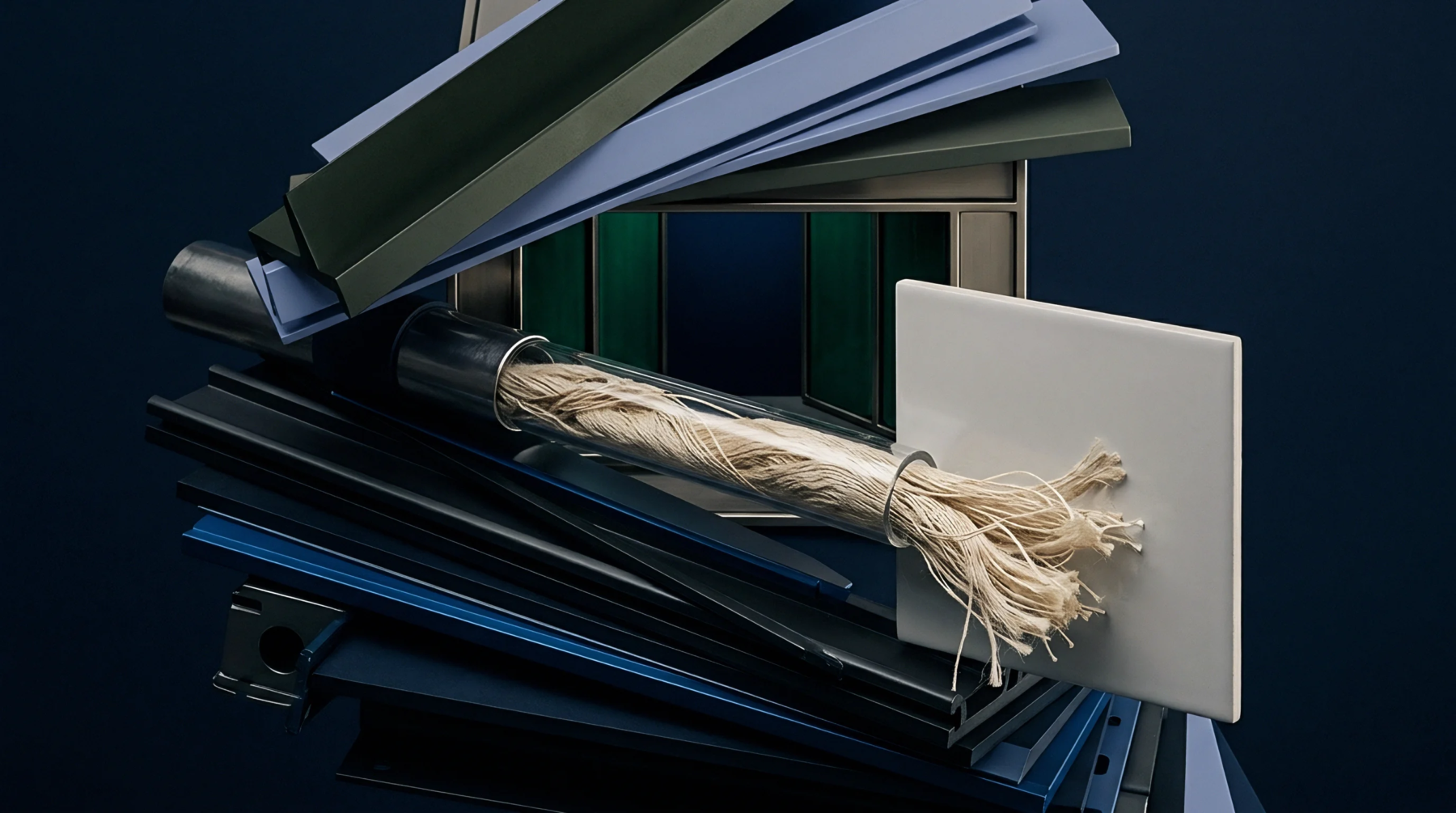
Short fibre segments separated from longer, prime filaments during the mechanical alignment of flax represent the biological waste stream of carding operations. These small remnants are combed noil, which accumulates in catch bins located at the discharge end of the combing machine. Mills categorize these materials by average length and residual woody shive content to determine their value for industrial non-woven or paper production.
Production Grade
Quality control personnel sort the extracted material based on the specific length distribution of the strands. Each lot undergoes testing to isolate the proportion of short, broken fibres from the primary flax crop output. The facility record logs the mass of these remnants against the total input weight of the initial flax intake.
Frequent removal of this material prevents buildup inside the comb needles, which protects the structural integrity of the main fibre harvest. Buyers typically accept these short stocks as filler for low-tensile textile applications, though the presence of foreign matter dictates the final market price.
Operational Boundary
The extraction process concludes once the combed fibres pass through the circular array of pins, as the resulting debris exits the machine frame into a separate collection area. Classification stops at the sorting stage because manufacturers reprocess or sell this remainder to different sectors entirely. The separation of these segments allows for the purification of the main flax line.
Accurate density measurements of the discarded fraction clarify the efficiency of the primary spinning setup.