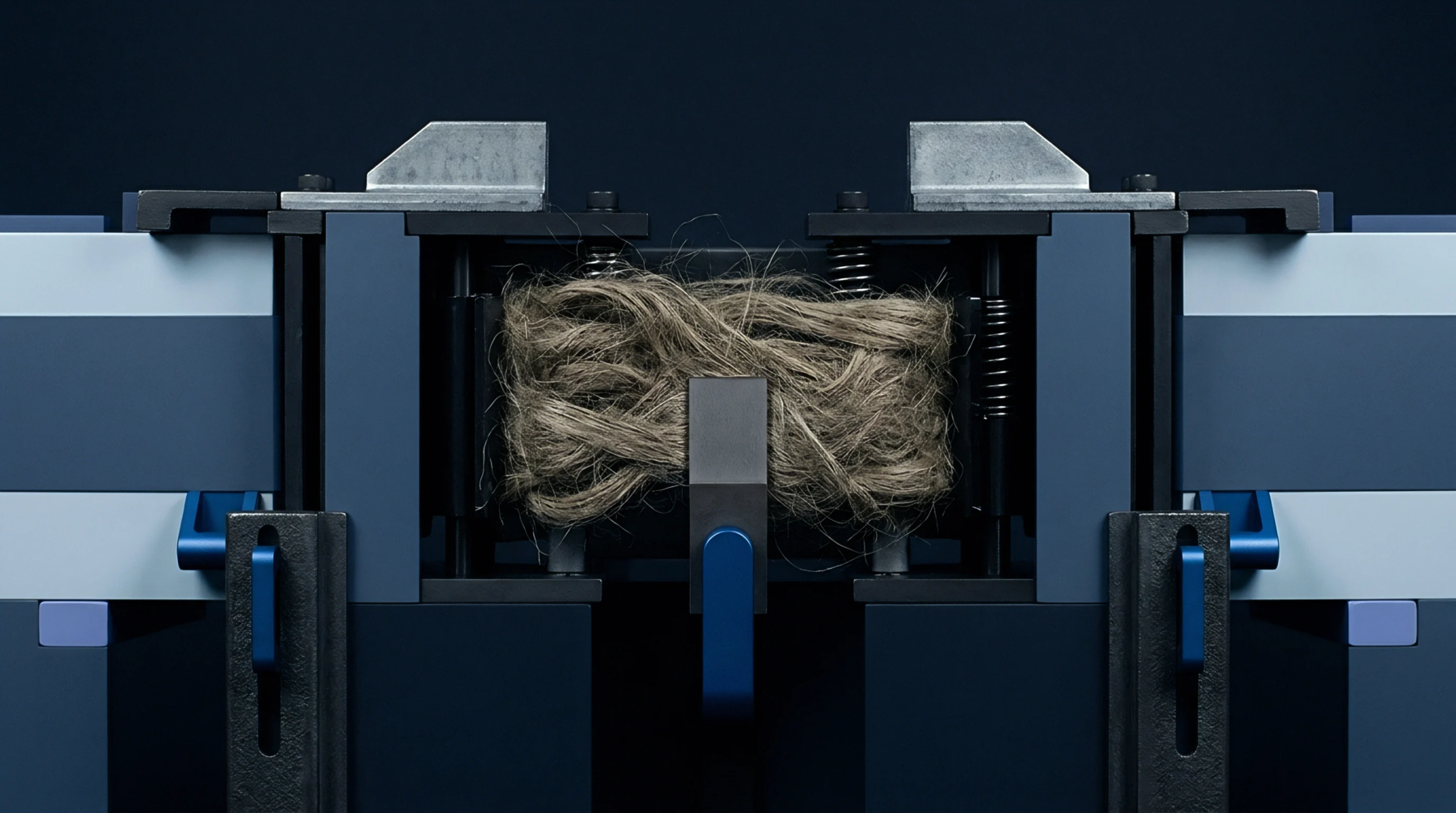
Fibre Verification
Analytical protocols determine the chemical composition of textile yarns to identify synthetic adulterants. Viscose substitution involves the clandestine inclusion of regenerated cellulose within natural flax or linen assemblies to reduce production costs. Laboratory personnel perform these assessments during the raw material intake phase at spinning facilities.
Gas chromatography or micro-chemical solubility testing isolates the regenerated content from bast fibres. This practice violates standard trade contracts that specify pure linen content for premium garment construction.
Production Boundary
Mill managers establish tolerance levels for botanical impurities before spinning starts to ensure consistent quality. The presence of viscose substitution creates performance imbalances because chemical fibres resist moisture absorption at different rates than natural flax. Spinning machines calibrated for long-staple linen experience breakage when they process uneven bundles of synthetic material.
Quality control documents record the presence of non-cellulosic agents after microscopic inspection of yarn samples. Such findings trigger an immediate review of the supplier lot to verify fiber purity against technical data sheets.
Acceptance Protocol
Procurement departments compare incoming batches against established purity standards to authorize payment. Purchasing agreements mandate that independent auditors certify the absence of synthetic fillers prior to bulk processing. A rejection occurs when the concentration of regenerated material exceeds the baseline established for genuine linen classification.
The detection of these additives serves as the mechanism for price adjustment or contract termination between the buyer and the export house. Legal liability remains with the vendor who misrepresents the fiber profile on shipping manifests.