
Determining Raw Flax Agricultural Provenance across European Scutching Facilities
Agricultural origin of raw European flax depends on linking farm lot weighbridge tickets to scutcher yield ratios and isotopic soil chemistry proofs.
Agricultural origin of raw European flax depends on linking farm lot weighbridge tickets to scutcher yield ratios and isotopic soil chemistry proofs.

Commercial yield adjustments for hackled flax roving require combining dry mass loss gravimetry with standard moisture regain corrections on every lot.

Unverified yarn admixtures strip preferential duty rates, triggering retroactive transaction value rejection, dumping penalties, and mandatory cash deposits.

Variable hot water pectin dissolution in wet spinning causes unrecorded mass losses up to 6 percent, creating phantom discrepancies in European Flax audits.

Reconciling trade entry fiber origin claims requires verifying batch-level scutching manifests, bale serial tags, and physical spinning mass balances against customs filings.

Mass balance accounting in offshore linen spinning succeeds only when spinners isolate comber noil and verify dry weight loss at each draw frame stage.

Reconciling wet spun linen yarn shrinkage in provenance dossiers requires ISO 2060 oven-dry mass testing and linear contraction adjustments across mill logs.

European Flax scope requirements enforce strict farm-to-scutcher physical custody, requiring valid transaction certificates and audited mass balance yields.

Commission scutching mass balances require dry-weight intake logging, strict physical line purges, and automated shive-to-fibre reconciliation to ensure integrity.

Controlled decortication moisture and roller clearances prevent fiber wall dislocations that degrade flax tenacity and trigger contractual price rebates.

Reconciling linen provenance requires separating statutory origin by loom transformation from fibre biomass claims verified through audited mass balance ledgers.

Verify European Flax transaction certificates by reconciling intake bale tag numbers and certified net weights against spinning yields and hackling waste tallies.
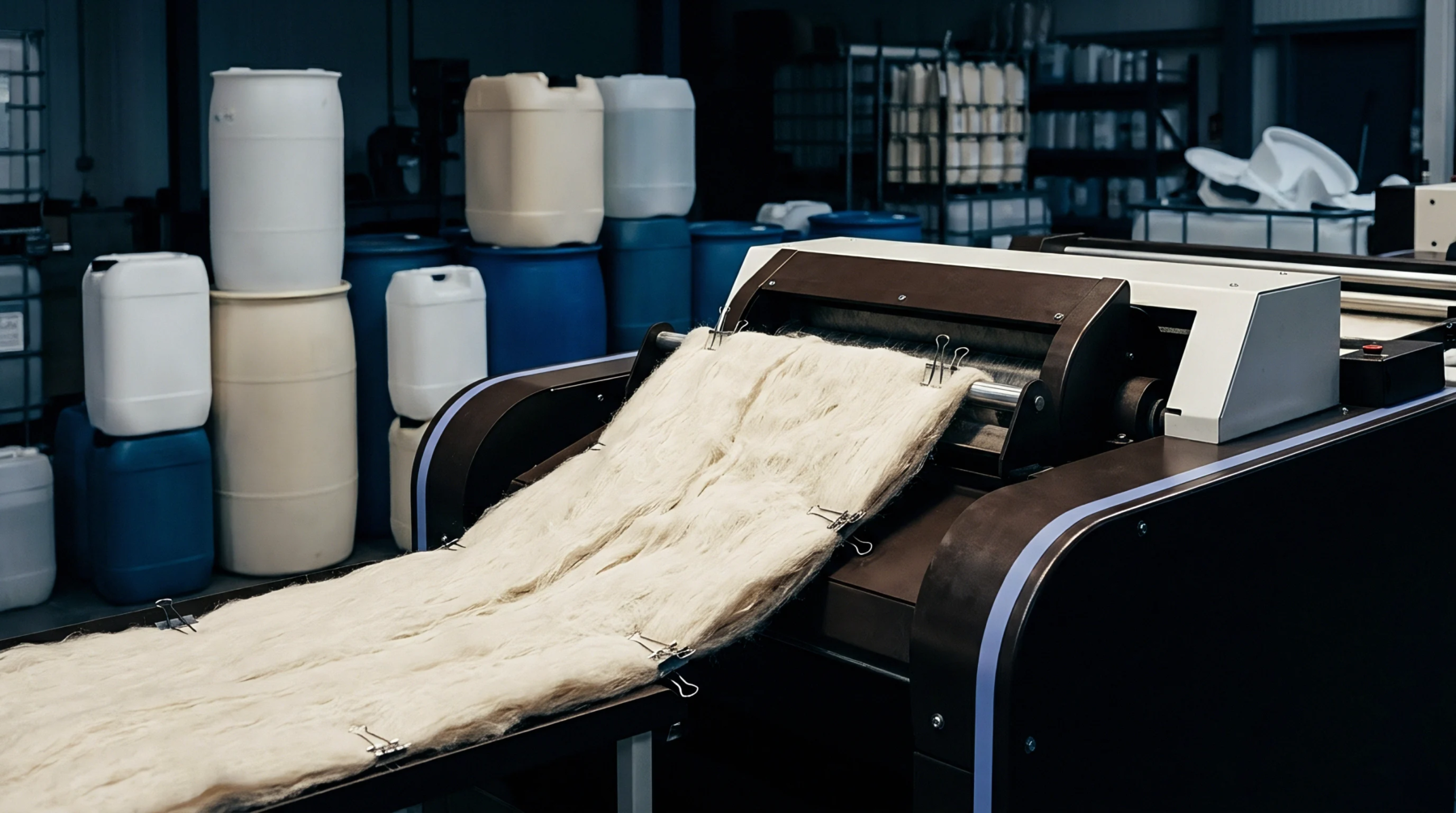
Cross-border flax fiber traceability relies on matching scope certificates, transaction dockets, and mill mass balance logs to pass origin audits.
Expertise is a utility, not a secret. sentiention™ publishes its working knowledge as open reference: intelligence layer covering the materials it sources, the markets it enters, and the reference that serves both.