Dynamic Moisture Regain and Yield Compensation Mechanics for Industrial Flax Fabric Sourcing
Industrial flax sourcing requires settling invoices on oven-dry fiber mass plus standard regain coefficients to eliminate transit water weight disputes.


Sorption

Cellular Regain Mechanics in Bast Fibers
Inside the bast fiber bundle, abundant hydroxyl groups in the cellulose structure draw water molecules directly into amorphous regions. Flax fibers consist of a primary wall and secondary walls where crystalline microfibrils sit within non-crystalline hemicellulose and lignin networks. When polar water molecules form hydrogen bonds with exposed hydroxyl sites on the hemicellulose chains, moisture sorption begins.
As ambient humidity rises, accumulating water layers fill the lumen and intercellular gaps, swelling the flax filament laterally.
Because of this structure, unrefined flax takes up ambient moisture with remarkable speed.
Standard regain values measure absorbed water mass as a percentage of bone-dry fiber weight. For flax yarn, standard regain is twelve percent under standard testing conditions of twenty degrees Celsius and sixty-five percent relative humidity. By comparison, cotton retains eight point five percent under the same conditions, while polyester absorbs less than zero point four percent.
Non-cellulosic pectins in raw flax also accelerate initial water uptake beyond what is seen in bleached or scoured flax lines.
The exposed hydroxyls throughout the cellulose matrix remain the primary sites for water binding.
Scouring strips natural waxes off the fiber surface, exposing more hydroxyl sites and raising capillary absorption capacity. Consequently, heavy industrial duck and plain-weave flax fabrics absorb moisture rapidly when transferred from dry to humid environments. The fabric reaches equilibrium when the rate of water vapor absorption balances the rate of evaporation from its surface.
| Fiber Type | Standard Regain Percentage | Maximum Bound Moisture Percentage | Sorption Equilibrium Time Hours |
|---|---|---|---|
| Raw Flax Greige | 12.0 | 23.5 | 24.0 |
| Scoured Linen Fabric | 12.0 | 21.0 | 18.0 |
| Boiled Linen Yarn | 11.5 | 19.5 | 16.0 |
| Bleached Flax Cloth | 10.5 | 18.0 | 12.0 |

Moisture Binding Kinetics across Relative Humidity Gradients
Water uptake in flax follows a non-linear isotherm. At relative humidity below thirty percent, moisture binds tightly as a monomolecular layer directly to accessible hydroxyl sites. Between thirty and seventy percent relative humidity, secondary polymolecular layers build atop this initial layer.
Once relative humidity exceeds seventy percent, capillary condensation fills micro-voids in the bast fiber structure, adding weight rapidly while causing little further dimensional change.
This added moisture weight directly shifts final invoice balances at point of sale.
Higher temperatures combined with high relative humidity accelerate equilibrium through thermal agitation within the weave structure. Increased kinetic activity speeds the exchange between atmospheric water vapor and moisture condensed inside the yarn core. In unconditioned mill sheds during humid summer weather, stored rolls of unfinished heavy greige can pick up as much as three percent added mass in forty-eight hours.
Applying ISO 6741 provisions converts gross delivered roll mass into standard commercial weight, ensuring buyers do not pay for ambient moisture.
Weave density directly alters how fast canvas absorbs moisture. High warp cover factors restrict air permeability, trapping water vapor in inner yarn layers and delaying true hygroscopic equilibrium. Similarly, tight reed setts slow vapor diffusion across the cloth plane, leaving inner roll cores drier than the outer wraps over brief conditioning cycles.
If ambient humidity is ignored during sampling at the mill gate, billing discrepancies inevitably distort yield tracking and result in unearned weight penalties on landed goods.


Damp

Freight Transit Microclimates and Container Moisture Transfer
Storage yards and ocean freight containers subject textile shipments to sharp microclimatic swings that alter gross roll weights. In tropical transit, interior container temperatures can fluctuate between fifteen and sixty degrees Celsius over twenty-four hours. High daytime heat drives water vapor out of wooden pallets and natural packaging materials into the surrounding air; when ambient temperatures plunge at night, relative humidity reaches saturation, producing container rain along the cold metal ceiling panels.
Tight container seals prevent this trapped humidity from venting outside.
Fabric rolls arriving at port often absorb condensation dripping from container roofs. Moisture soaks rapidly into the outer layers, creating steep moisture gradients across the width of the roll. When packaged in perforated poly-tubing, rolls permit vapor passage, allowing total shipment weight to fluctuate continuously with weather changes along maritime shipping lanes.
- Container Condensation Spikes cause localized moisture absorption along outer roll perimeters during tropical voyages.
- Unconditioned Weighing Errors happen when greige cloth is weighed right off the loom before reaching moisture equilibrium.
- Desorption Lag Discrepancies cause buyers to reject lots that dried out in transit, even when the initial fiber weight at packing was correct.
Roll Surface Absorption Patterns
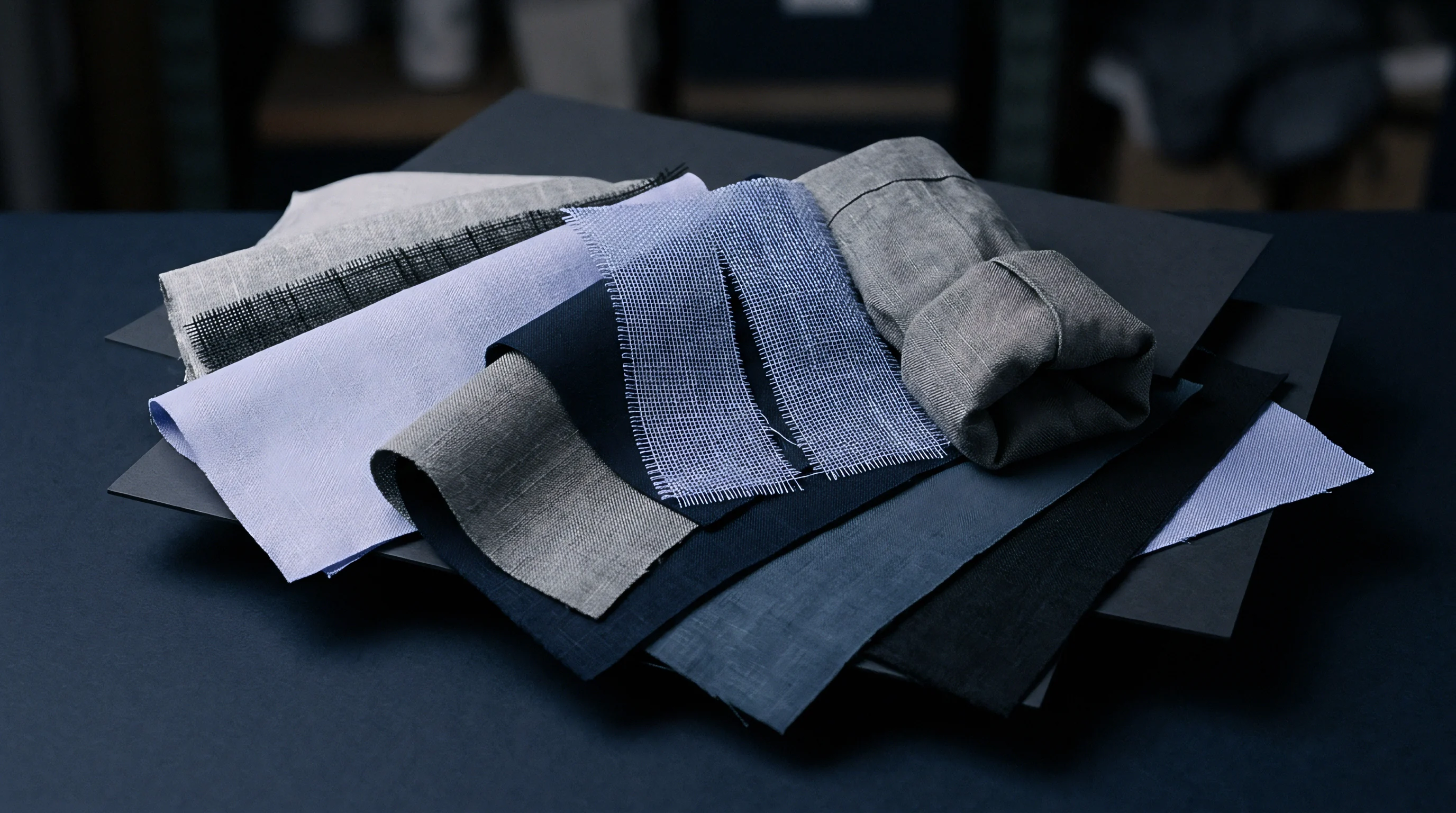
Exposed to humid air, tightly wound bolts absorb moisture unevenly. Exposed edges and selvedges take up vapor much faster than the inner core, causing localized swelling along the fabric margins. This differential expansion produces tight roll centers and slack edges during unrolling, creating tension defects on automated cutting tables downstream.
Unevenly wet rolls inevitably distort scale weight receipts at delivery.
High winding density forms a barrier that retards moisture penetration toward the core. For example, a five-hundred-meter roll of industrial linen canvas exposed to eighty-five percent relative humidity will gain two percent in total weight over three days, yet nearly all of that added mass is concentrated within the outer twenty layers.
When receiving docks report unexplained weight increases, suppliers frequently blame container humidity during ocean transit rather than inadequate moisture conditioning before mill packaging.


Hysteresis

Should Commercial Invoices Adjust for Desorption Hysteresis during Transit?
The moisture equilibrium of cellulose fibers depends heavily on whether the fabric approaches target relative humidity from a wetter or drier state. Their sorption behavior follows a pronounced hysteresis loop in which desorption moisture values remain higher than adsorption values at any given humidity level. A flax fabric dried down from saturation to sixty-five percent relative humidity retains more moisture at equilibrium than a bone-dry fabric brought up to that same sixty-five percent atmosphere.
Because of this lag, fabrics following a desorption path hold extra water mass.
This hysteresis stems from shifts in available hydroxyl binding sites. As cellulose dries completely, adjacent molecular chains collapse inward and cross-link, masking hydroxyl groups from incoming water. Upon re-wetting, fewer binding sites are immediately accessible, resulting in lower moisture regain.
When fully wetted, however, fiber swelling reopens amorphous regions, freeing additional hydroxyl groups to retain water during subsequent drying.
Flax fabrics desorbing moisture in warm storage retain higher equilibrium weight than dry fabrics absorbing moisture in identical ambient air.
Equilibrium Regain Variances between Wetting and Drying Paths
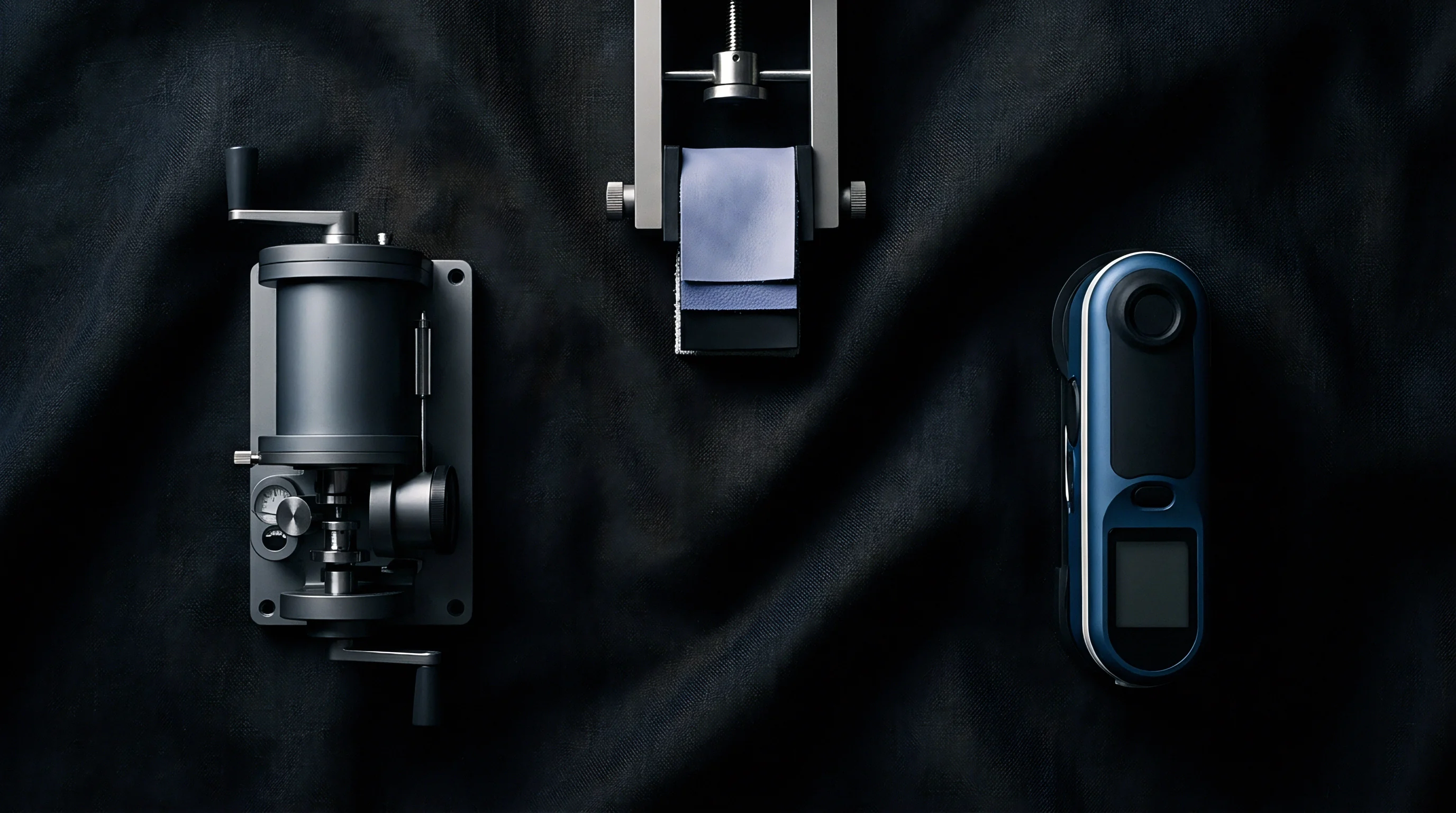
In industrial flax, the hysteresis gap can reach up to two full regain percentage points at mid-range humidity levels. Fabric brought down from an eighty percent humidity warehouse to standard testing conditions stabilizes near thirteen point five percent moisture content. The same fabric brought up from a dry-heat finishing oven to standard conditions stabilizes near eleven point five percent.
Determining true fiber dry weight remains the only way to establish real commercial value.
Ignoring sorption history introduces substantial error into commercial trade calculations. Fabric weighed right after hot drying yields a lower mass reading than fabric weighed after standing in a humid storage shed. Sourcing contracts must therefore specify the exact conditioning sequence required before official weight verification.
Storage conditions prior to weighing determine whether the fabric rests on an adsorption or desorption curve, directly shifting the recorded commercial mass.


Tare

The Commercial Mass Equation under Standard Allowance Rules
Commercial invoicing for industrial flax relies on calculating bone-dry fiber mass rather than billing against raw scale weights. Trade standards define official landed mass through commercial weight equations that isolate dry fiber content. To find this baseline, swatch samples are dried in forced-air ovens at one hundred five degrees Celsius until their weight stabilizes.
Reliable moisture testing requires this forced-air thermal processing to drive off bound water completely.
Commercial mass is calculated by multiplying bone-dry fiber weight by one plus the agreed standard regain percentage divided by one hundred. Any contractual allowances for loom oils or finishing agents are added directly to this regain factor. Billing against this calculated commercial weight protects buyers from paying for transient atmospheric water.
- Extract representative core samples from ten randomly selected rolls across the shipment lot within two hours of unsealing.
- Place extracted swatch samples immediately inside hermetically sealed vapor-proof container vessels to preserve transit moisture levels.
- Weigh samples on calibrated electronic balances to record initial moist mass prior to laboratory thermal processing.
- Subject samples to vented thermal drying at 105 degrees Celsius until successive mass measurements show less than 0.05 percent change.
- Calculate true commercial lot mass by applying standard moisture regain coefficients to the established oven-dry weight figure.

Worked Settlement Model for Ten Tonne Greige Deliveries
Consider a ten thousand kilogram delivery lot of industrial flax canvas arriving at a receiving facility. Laboratory testing of sealed core samples shows an arrival moisture content of fourteen point five percent, exceeding the standard twelve percent regain allowance. Oven testing establishes that the lot contains eight thousand seven hundred thirty-three point six kilograms of actual bone-dry flax mass.
Applying these corrected dry figures protects mill purchasing margins from water-weight inflation.
Applying the standard twelve percent regain coefficient to that bone-dry mass yields an official commercial invoice weight of nine thousand seven hundred eighty-one point six kilograms. The buyer receives a deduction of two hundred eighteen point four kilograms, eliminating payment for excess ambient moisture absorbed during transit.
| Delivered Moisture Percentage | Raw Arrival Weight kg | Calculated Dry Mass kg | Standard Commercial Weight kg | Invoice Mass Adjustment kg |
|---|---|---|---|---|
| 14.5 | 10,000.0 | 8,733.6 | 9,781.6 | -218.4 |
| 13.5 | 10,000.0 | 8,810.6 | 9,867.9 | -132.1 |
| 12.0 | 10,000.0 | 8,928.6 | 10,000.0 | 0.0 |
| 10.5 | 10,000.0 | 9,049.8 | 10,135.8 | +135.8 |
These figures demonstrate how delivered moisture shifts invoice values without adding usable fiber to cutting tables. Weighing unconditioned fabric skews financial audits without altering real yield.
Oven drying at 105 degrees Celsius until mass stabilization establishes the true dry fiber weight required for commercial calculation.
Incorporating ISO 6741 Commercial Mass Clause 4.2 obligates trading partners to adjust total lot tonnage against certified oven-dry swatches, stripping ambient water weight from final invoices.


Arbitration

Contractual Tolerance Windows and Correction Formulas
Sourcing contracts need clear mathematical rules to govern price adjustments when delivered moisture strays from target regain levels. Most commercial agreements set a neutral tolerance dead-band of plus or minus zero point five percent around the twelve percent standard regain benchmark. Variations within this band trigger no price adjustment, avoiding administrative overhead over minor weather fluctuations.
These contractual allowances ultimately govern final invoice payouts.
Once arrival regain moves past the agreed tolerance band, price adjustments apply across the full tonnage delivered. Corrections convert raw scale weights into standard commercial mass using moisture measurements from certified core swatches, with adjustments issued as credit notes against the landed bill of lading.
- Base Regain Benchmark establishes twelve percent moisture content as the neutral target for all billing calculations.
- Symmetrical Settlement Window permits mass adjustments only when delivered moisture deviates by more than one point five percentage points from standard.
- Certified Neutral Laboratory conditions swatches in an ISO 139 atmosphere before issuing binding commercial yield certificates.
Dispute Settlement Sampling Protocols
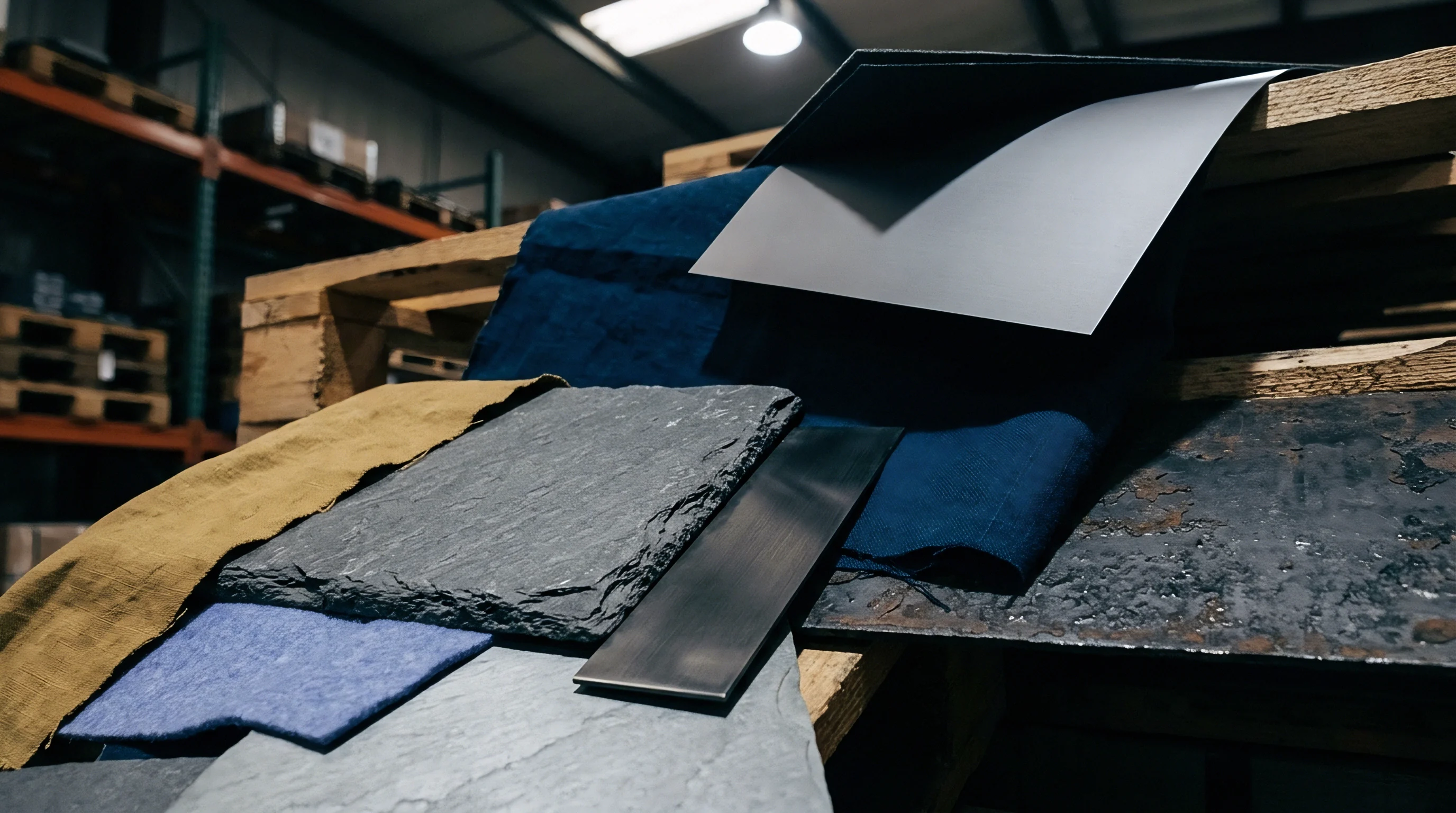
Resolving weight disputes depends on strict sampling protocols to prevent moisture contamination during sample taking. Technicians draw core samples at least fifteen layers beneath the roll surface within thirty minutes of opening container doors. Swatches go directly into hermetically sealed aluminum canisters to prevent vapor exchange on the way to the lab.
Sealed container vessels keep core moisture intact during transport.
Accurate verification also requires mill scales to undergo routine daily calibration.
Because water retention alters cloth density, precise mass measurement remains essential.
Laboratory testing follows ISO 6741-1 procedures, using balances accurate to zero point zero one grams inside conditioning chambers held at twenty degrees Celsius and sixty-five percent relative humidity. Test certificates report dry mass, raw weight, actual regain, and corrected commercial mass ~ figures that supersede original shipping manifests during financial settlement.
Roll weight shifts during ocean transit represent environmental moisture transfer rather than changes in delivered fiber mass.
Whether real-time capacitive moisture sensors embedded inside export packaging can legally replace destructive core swatch sampling remains an open question in international trade courts.