Fiber Purity
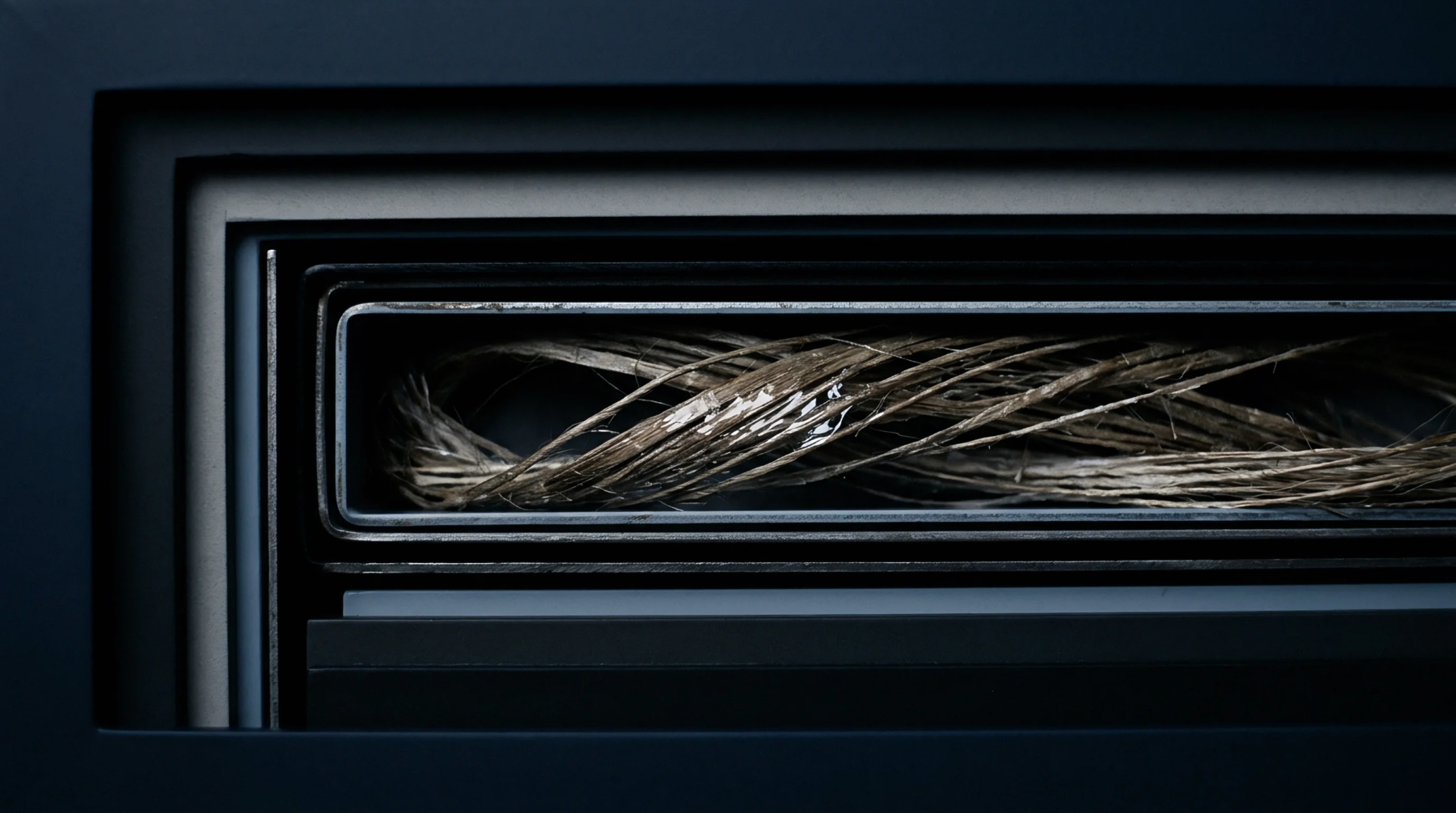
Flax mills operating within northern Chinese production provinces measure residual shive content during the mechanical scutching phase to quantify unseparated woody stem fragments remaining within the harvested bast fiber. Scutching machines deploy rotating steel blades to break and beat away the non-fibrous cortical tissues from dried flax stalks, but stubborn fragments invariably cling to the long line fibers destined for fine spinning mills. Laboratory technicians draw representative samples from compressed bales immediately after processing, weighing the extracted woody particles against the total dry mass to establish a baseline percentage.
This analytical metric determines whether the preceding mechanical extraction parameters require immediate adjustment before the material moves forward to hackling and drawing frames.
Export Grade
Global textile buyers establish strict threshold limits for residual shive content within their commercial supply contracts because embedded woody particles interfere catastrophically with high-speed commercial spinning machinery. Excess fragments clog the fine metal gills of preparatory drawing frames, causing frequent yarn breakage and producing irregular carded slivers that compromise the tensile strength of the finished linen yarn. Quality control inspectors verify compliance against international standards by examining randomized bundles under standardized illumination, ensuring that shipments destined for European and domestic weaving operations meet precise cleanliness parameters.
Mills exceeding contracted impurity thresholds face mandatory price deductions or complete rejection of the affected lot prior to customs clearance.
Mechanical Threshold
Woven linen fabrics carry visible flaws on the loom surface whenever residual shive content surpasses specific microscopic dimensions, transforming invisible raw material defects into permanent aesthetic blemishes within the finished cloth. Bleaching and alkaline boiling treatments employed during subsequent wet processing stages struggle to dissolve lignified woody tissue completely, leaving dark specks permanently trapped inside the yarn matrix. Fabric inspectors grade finished piece goods by counting these remaining impurities per square meter, separating premium apparel textiles from lower-tier industrial canvases.
Production teams therefore control the aggressive action of the scutching turbines carefully, balancing maximum removal of woody core material against the physical damage that excessive mechanical beating inflicts on the delicate ultimate fibers.