Liquid Temperature
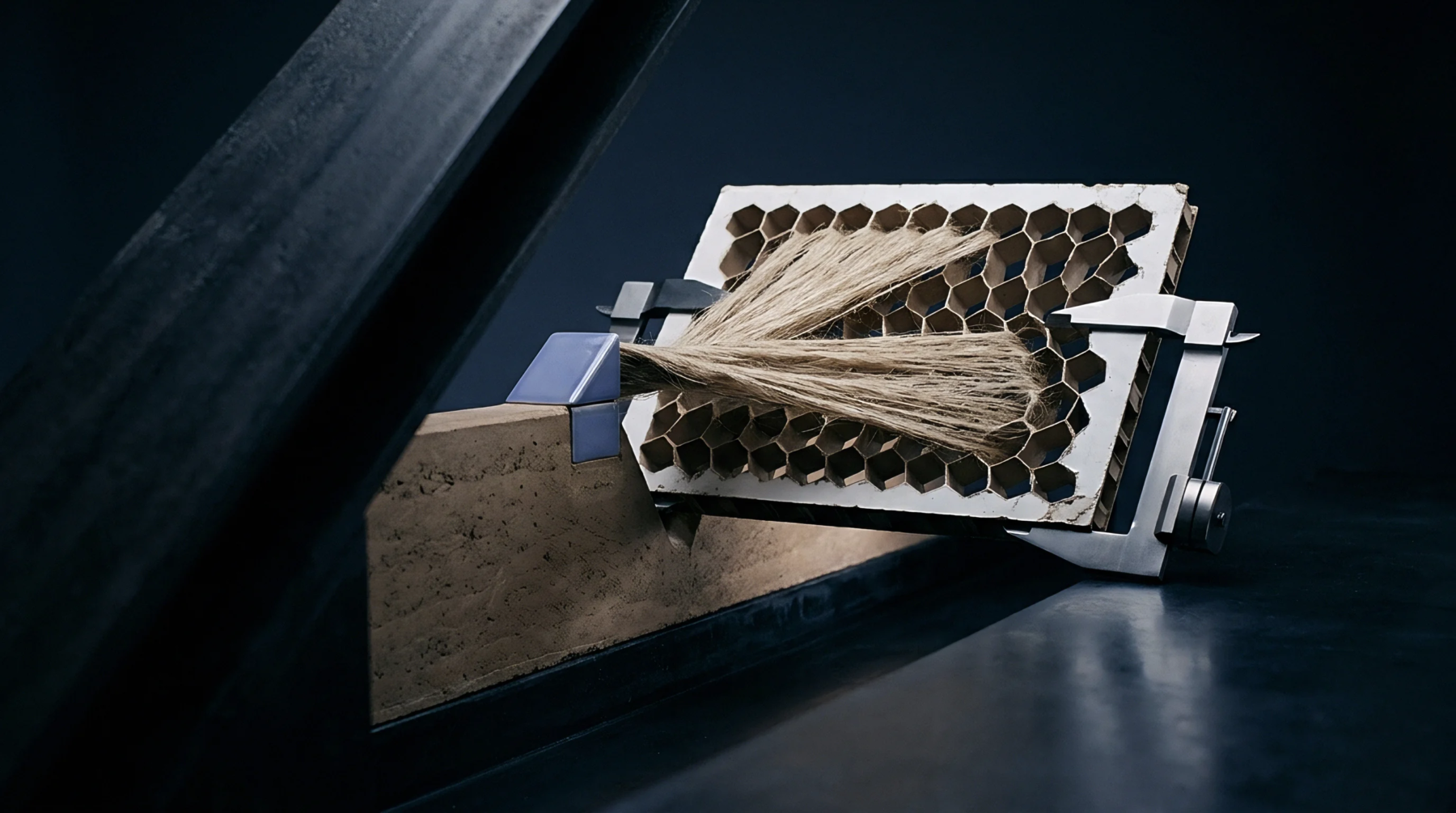
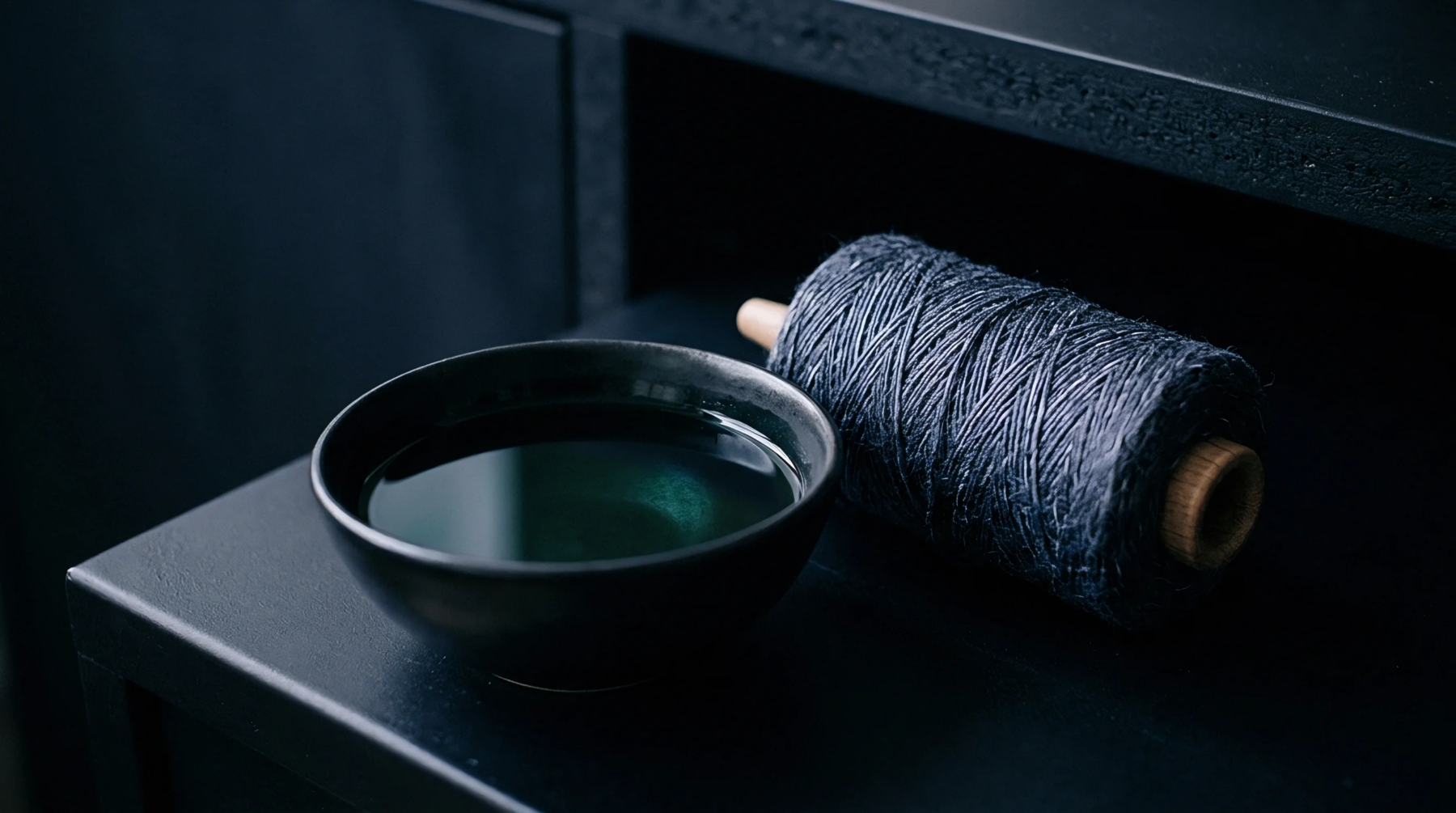
Thermal state of the hot water held in the wetting trough of a wet spinning frame determines the effectiveness of pectin softening before the rove reaches the drafting rollers. This operational setting, controlled as the trough bath temperature, must be maintained within a specific range to ensure consistent fiber draftability. If this value fluctuates, the consistency of the yarn decreases, which leads to defects in the woven fabric.
Sensors continuously track the water temperature to adjust the heat supply dynamically.
Viscosity Regulation
Softening of hemicellulose and dissolution of pectins are accelerated at higher temperatures, reducing the pulling force required to draft the flax rove. When the trough bath temperature is kept above sixty-five degrees Celsius, the viscosity of the dissolved gums drops, which helps in separating the fibers into a finer and more uniform strand. If the water is allowed to cool, the gums remain semi-solid, which increases drafting force and results in drafting waves.
Viscous resistance is avoided. The upper limit of the temperature is restricted to prevent excessive boiling and water loss.
Breakage Minimization
Mechanical performance of the spinning frame is tied to the consistency of this thermal setting. Maintaining the target trough bath temperature reduces the occurrence of rove breakages during high-speed spinning operations, which stabilizes the output rate of the mill. Spun yarns produced under stable thermal conditions exhibit a uniform distribution of fibers and high tensile strength.