Classification Change
Origin requirements dictate that a product must be reclassified into a different heading of the Harmonized System to qualify for a new country of origin. Applying the tariff shift rule means that the work done in a specific country must be significant enough to move the raw materials into a finished product category. This mechanism prevents simple packaging or minor sorting operations from being used to claim origin in a low-duty region.
Logical Application
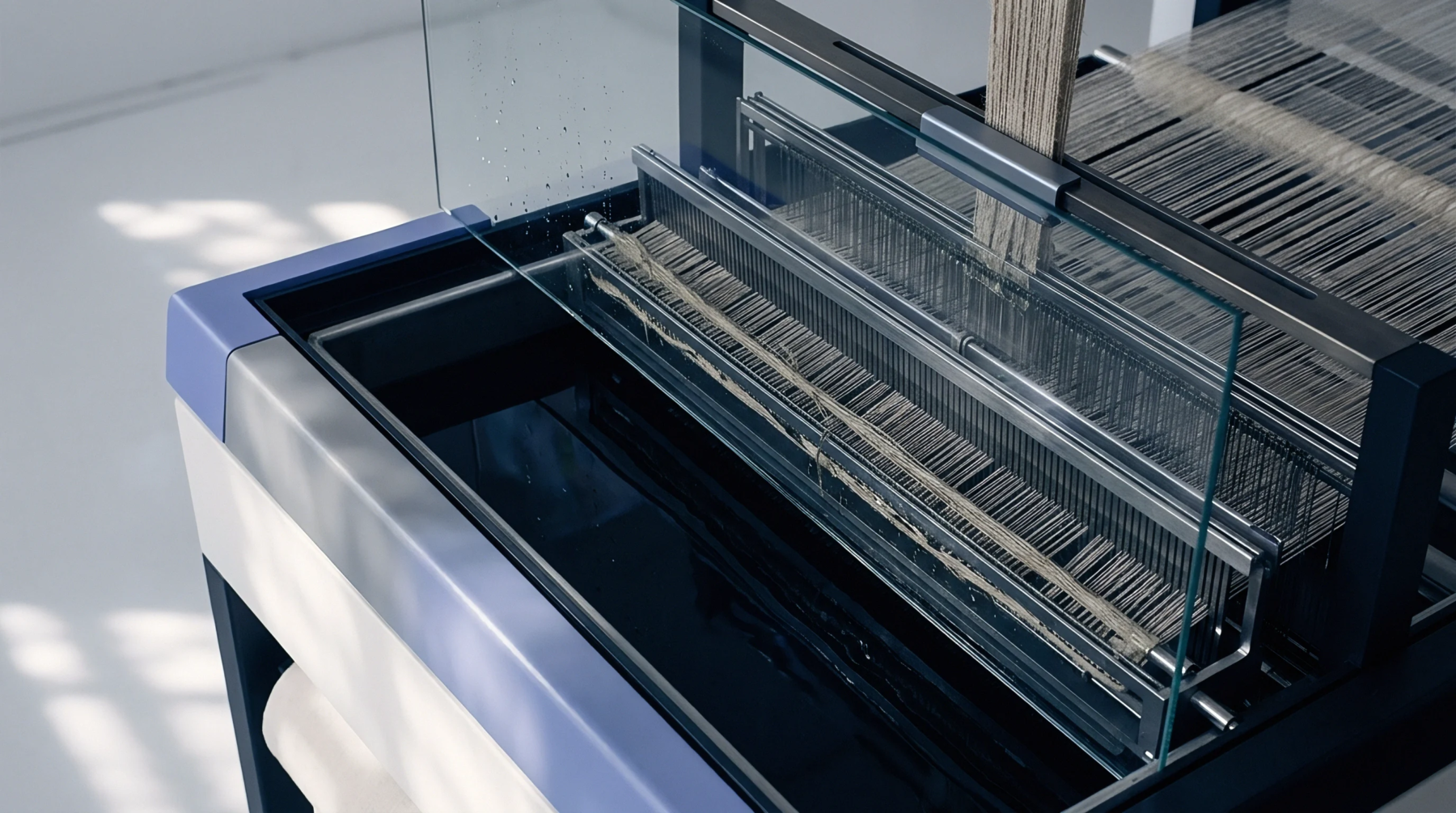
Officials look at the shift between the four-digit codes of the yarn and the six-digit codes of the woven fabric roll. If the processing inside the mill causes this jump, the tariff shift rule is satisfied and the goods gain the origin status of that territory. This system provides a standard for hundreds of different textile categories and simplifies the duties process for high volume exporters.
Evidence Verification
Documents must show the initial classification of the imported raw flax and the new code assigned to the linen once weaving is complete. If the factory cannot demonstrate that a tariff shift rule has been met, customs will likely reject the claim for lower import taxes. Clear evidence of mechanical change is required for every shipment passing through an international trade hub.