Surface Degradation
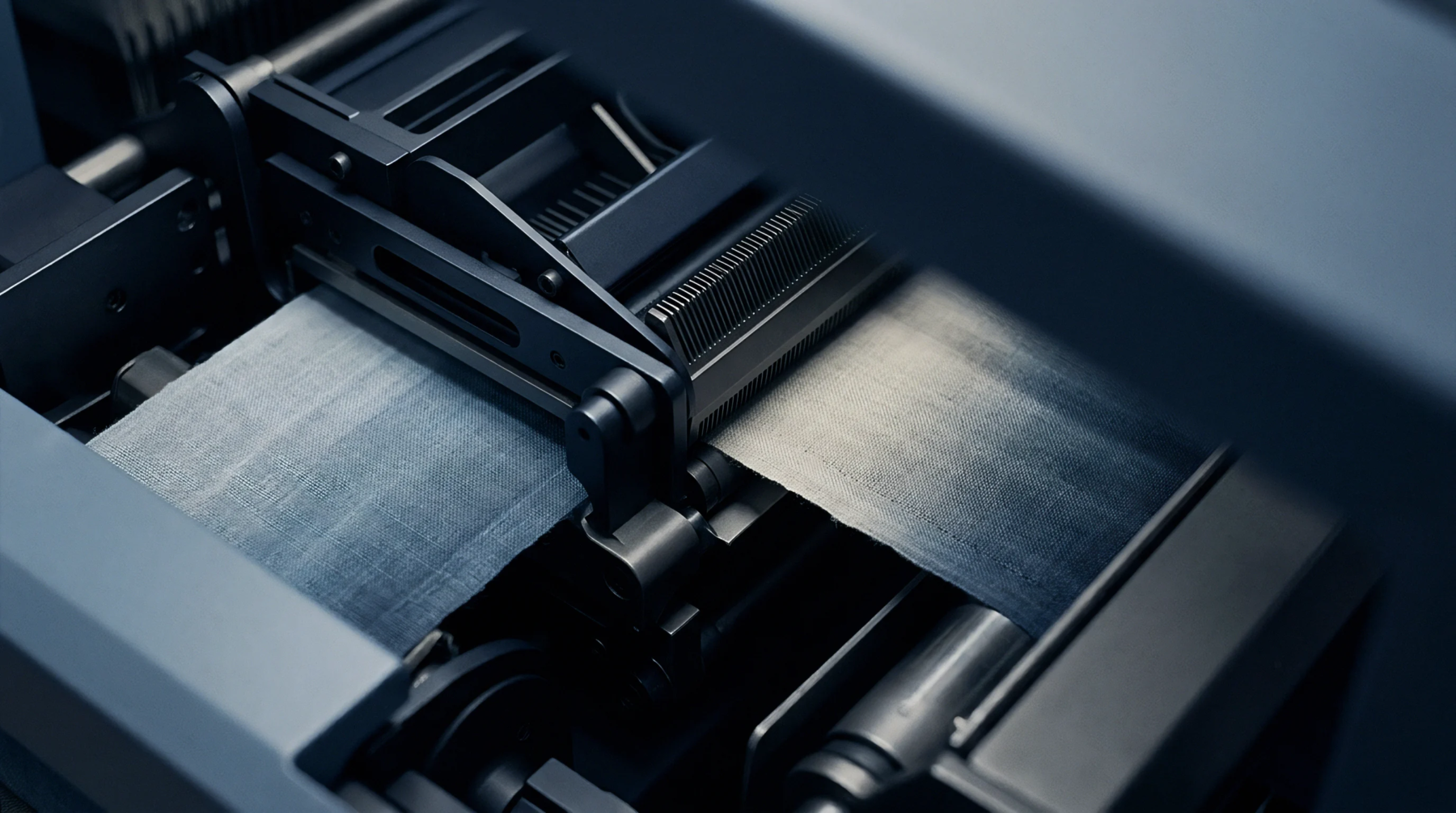
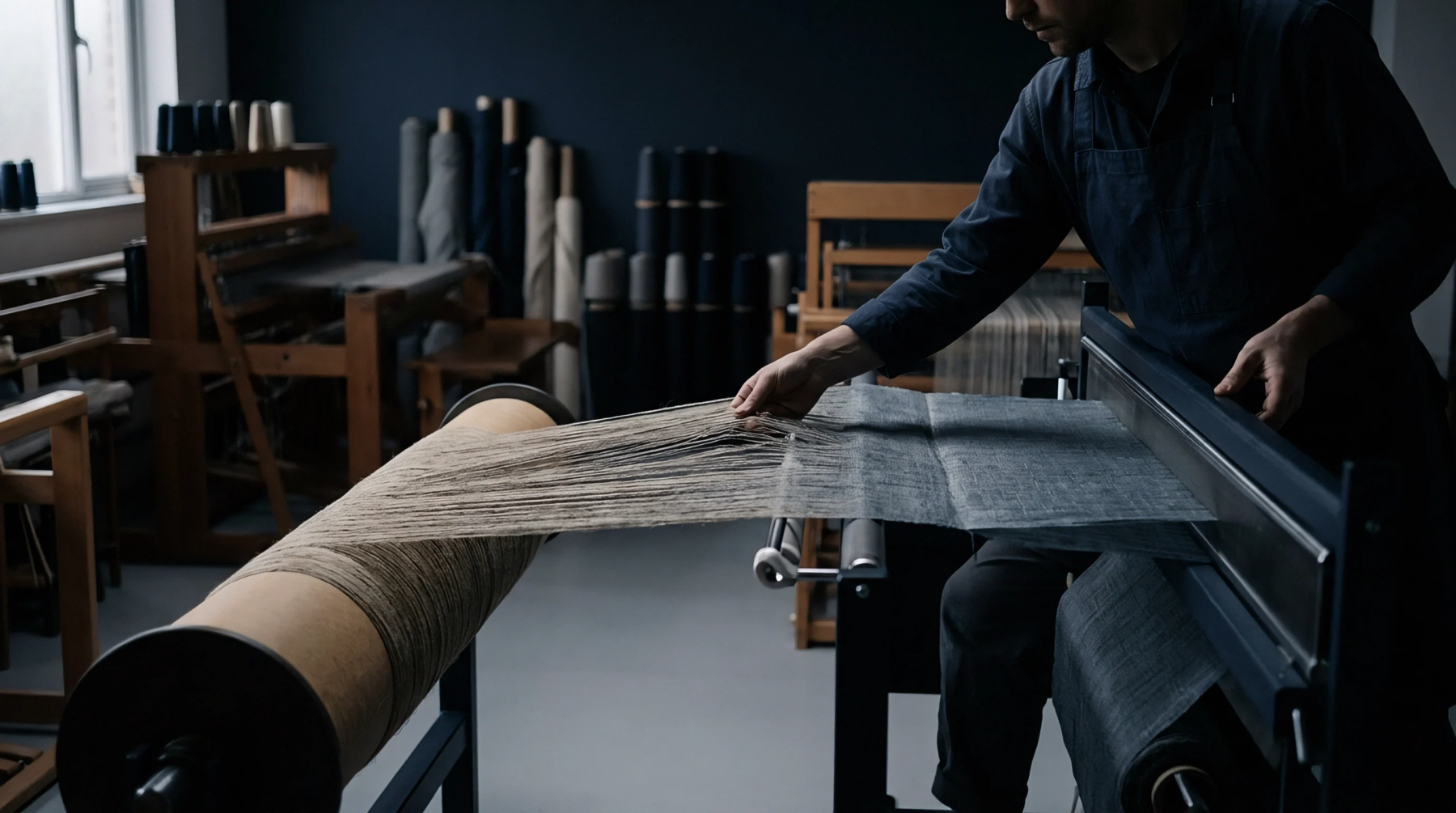
Wear patterns on warp yarns arise from mechanical contact with the metallic components of a loom during the high-speed cycle of cloth production. Reed dent abrasion describes the physical damage inflicted upon individual filaments as they pass through the narrow gaps of the reed. Tensioning systems pull the warp across these bars while the reciprocating motion of the slay creates constant friction against the reed wire.
Poor alignment of the reed profile results in localized thinning of the yarn structure. Frayed fibres accumulate within the dent as the metal surface cuts into the protective sizing layer. The degree of fibre disruption varies according to the density of the warp and the roughness of the metallic finish on the steel wire.
Damaged sections cause breakage during the insertion process. Excessive heat generated by this contact also degrades the mechanical properties of the fibre.
Production Constraint
Textile mills monitor these faults during the final inspection of the greige cloth to ensure quality standards meet export requirements. Inspectors look for linear streaks where the yarn density appears uneven across the width of the fabric. This condition forces a reduction in loom speed to prevent further breakage in the warp.
Operators adjust the timing of the reed movement to minimize the force applied during beat-up. Calibration of the shedding mechanism reduces the lateral pressure exerted on the warp yarns. High humidity levels in the weaving hall protect the fibre from reaching critical temperatures.
Mills record the frequency of these defects in the daily production log to calculate the efficiency of the machinery.
Traceability Requirement
Buyers specify acceptable limits for yarn damage in the procurement contract to maintain the consistency of the finished linen products. Verification of the reed condition occurs before the start of each production run. Evidence of physical impairment to the warp filaments leads to immediate rejection of the loom output.
Documentation includes the specific loom identifier and the corresponding fibre lot number. Standardized protocols dictate the replacement interval for metal reeds to avoid surface wear. Each damaged batch undergoes repair or removal from the inventory.
Regular audits verify the integrity of the hardware. The frequency of these surface faults dictates the long-term profitability of the weaving facility.