
Modeling Enzyme Retted Flax Microstructural Fibre Split during High Speed Pin Hackling
Enzyme retting degrades middle lamella pectin to enable longitudinal bundle splitting, but requires matched pin velocities to prevent transverse fibre rupture.
Enzyme retting degrades middle lamella pectin to enable longitudinal bundle splitting, but requires matched pin velocities to prevent transverse fibre rupture.

Dynamic sliver cohesion between 16 and 22 cN/ktex under controlled trough temperatures prevents drafting waves and high-speed wet spinning end breaks.

Linen yarn regain stays between eleven and twelve percent during weaving to preserve fiber elongation and prevent high warp breakages on fine count rapiers.
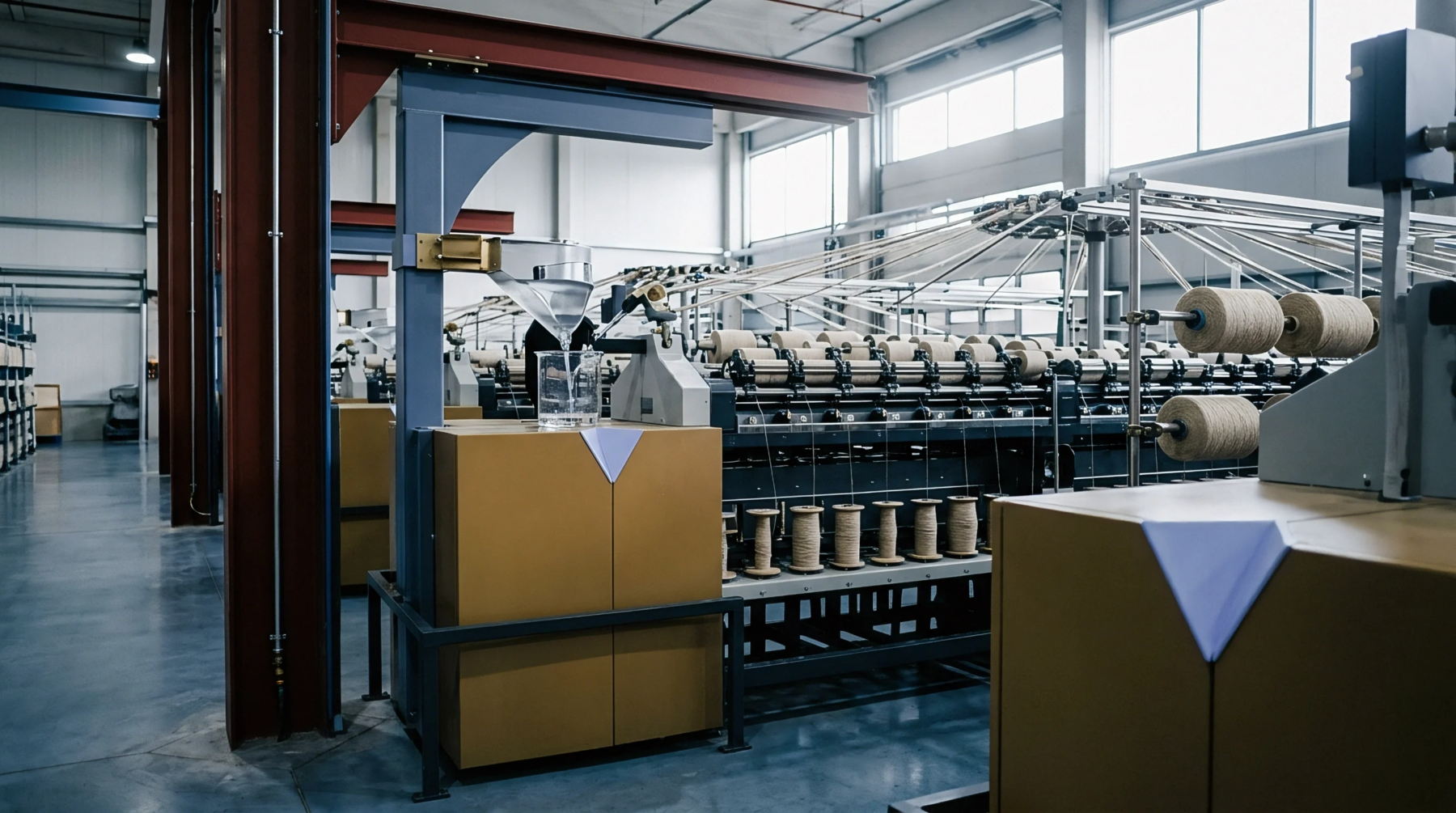
Short-wavelength sliver tex variance above eleven percent triggers drafting separation and spikes wet-spinning breaks, adding over one dollar per finished metre.
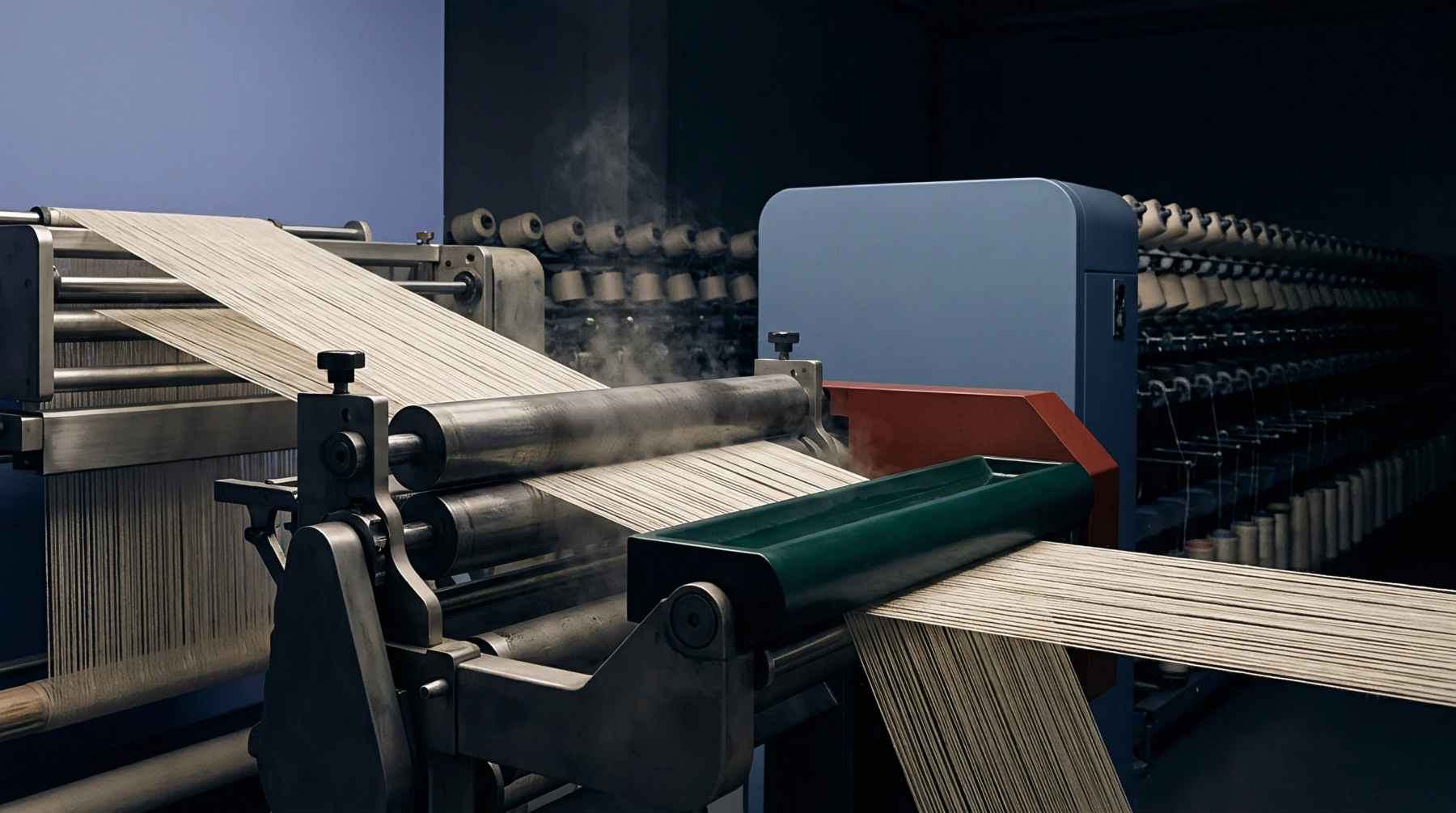
Optical bundle sizing defines the maximum draft ratio and ratch setting in wet flax spinning by quantifying pectin division before immersion.

Residual calcium cross linked homogalacturonan in the middle lamella governs interfibre shear strength, dictating high-count wet-spun flax yarn tenacity.

Reconciling wet spun linen yarn shrinkage in provenance dossiers requires ISO 2060 oven-dry mass testing and linear contraction adjustments across mill logs.
Expertise is a utility, not a secret. sentiention™ publishes its working knowledge as open reference: intelligence layer covering the materials it sources, the markets it enters, and the reference that serves both.