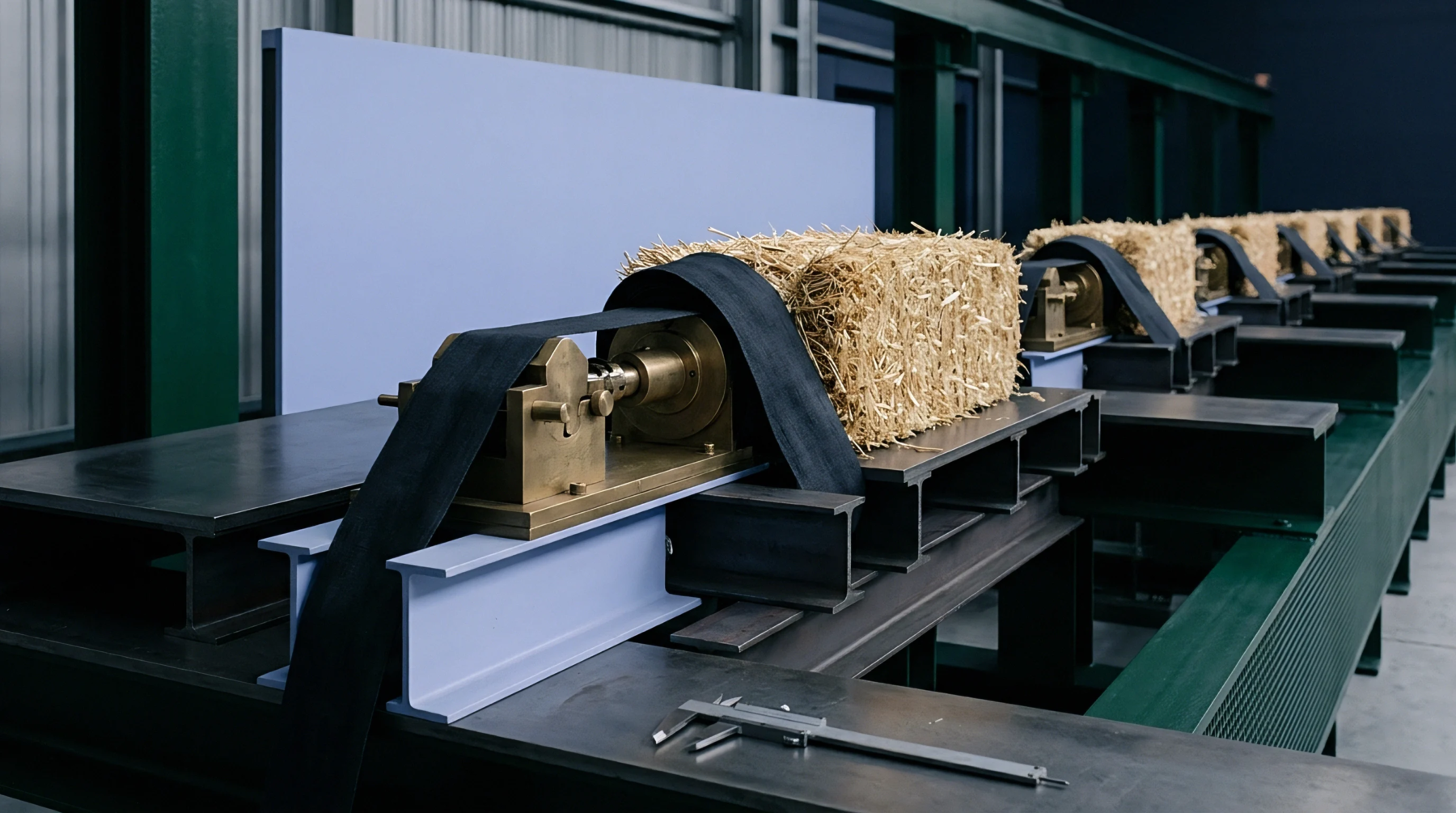
Hackling Yield and Wet-Spinning End Breakage in Blended Bast Bales
Optimizing hackling pin density and wet-spinning trough temperature stabilizes draft forces, reducing bast yarn end breakage below fifteen breaks per thousand spindle hours.
Optimizing hackling pin density and wet-spinning trough temperature stabilizes draft forces, reducing bast yarn end breakage below fifteen breaks per thousand spindle hours.
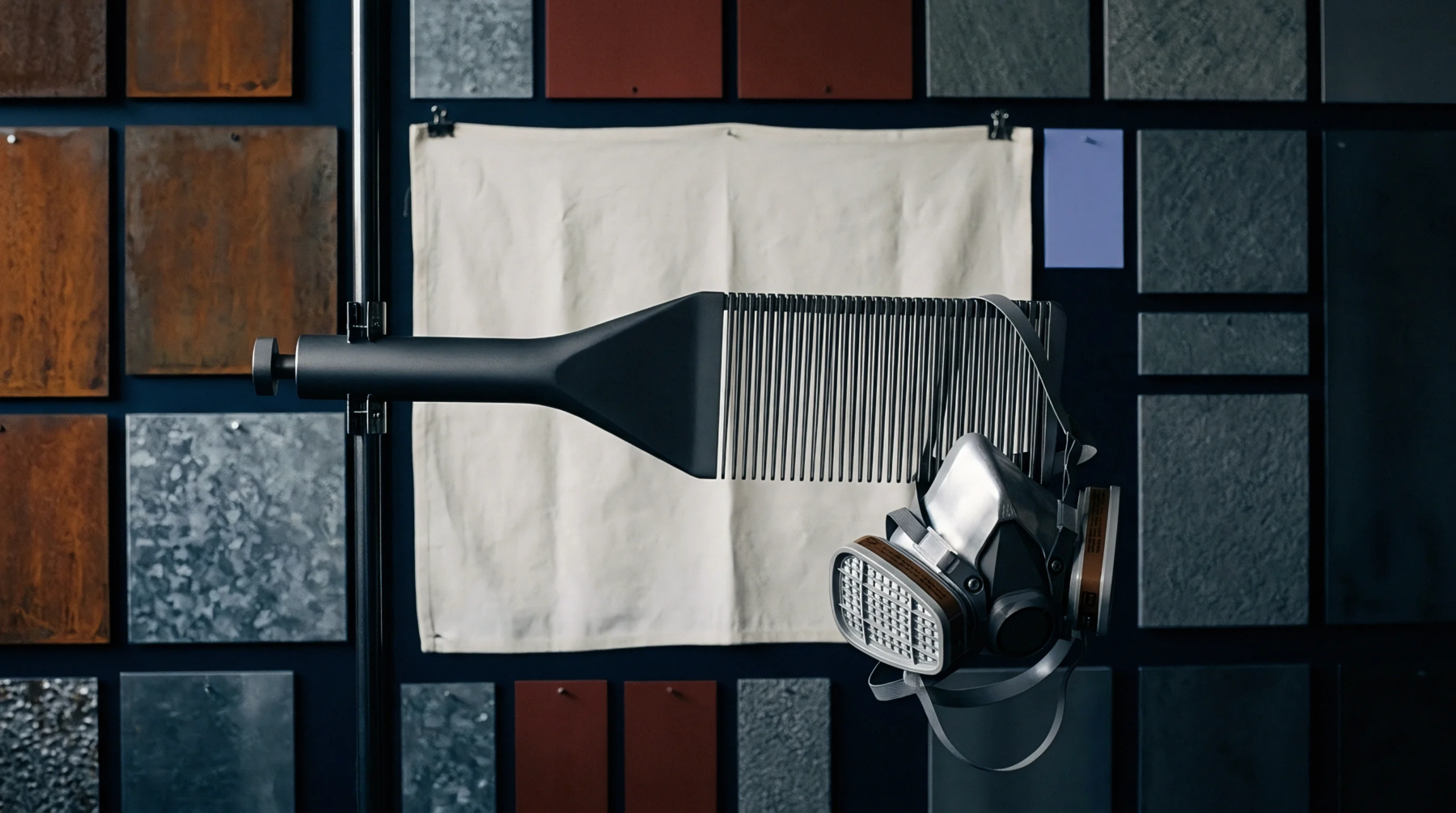
Cellulose microfibril angle dispersion drives transverse cell wall cleavage under pin shear, reducing dressed long line flax yield by up to 16 percentage points.
HPLC tracking of trough liquor sugar release limits hemicellulose hydrolysis, preserving flax bundle cohesion and yarn tenacity during high-speed wet spinning.
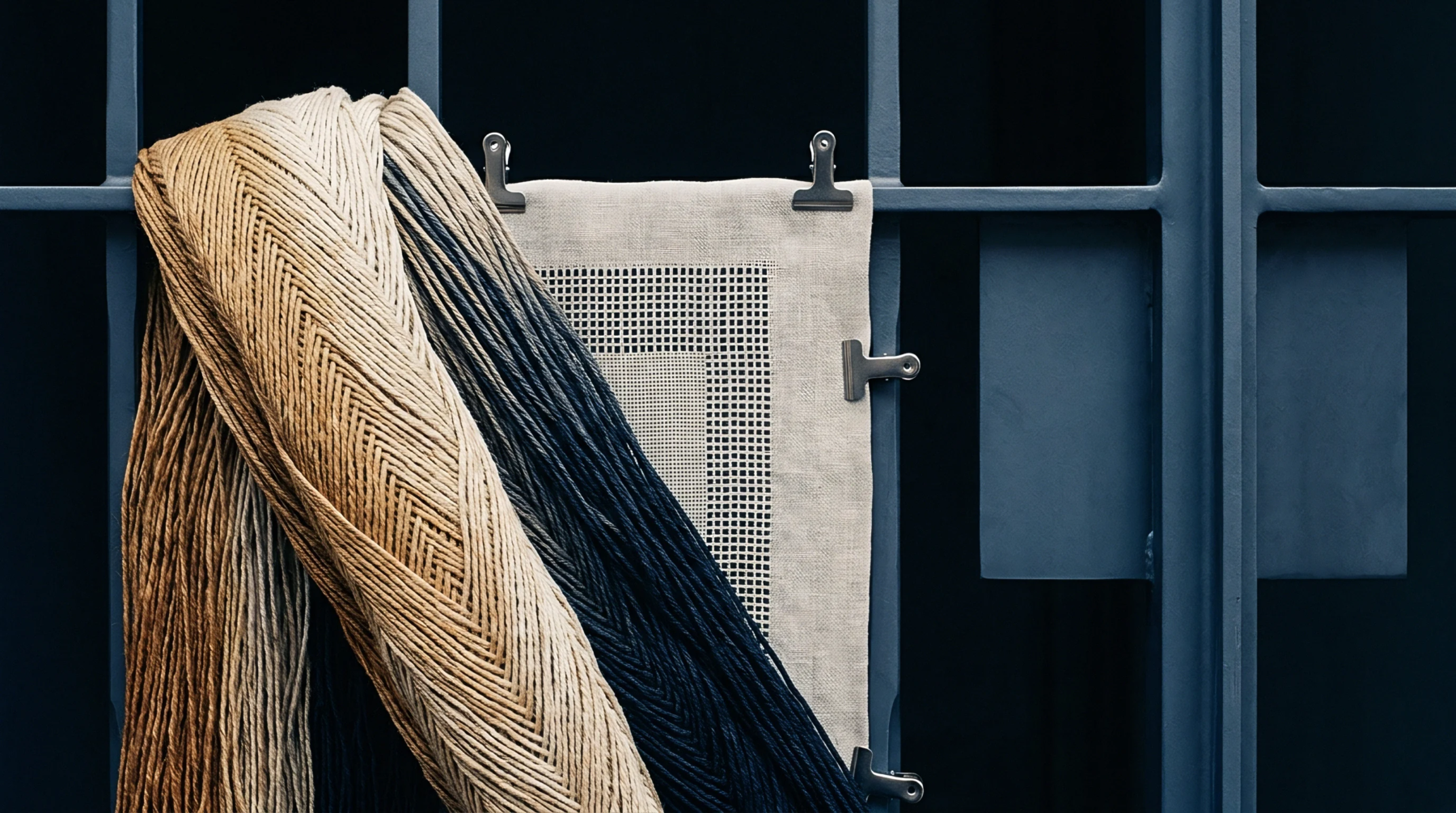
Lot-to-lot flax variance costed via hackling yield formulas protects mill margins by adjusting line sliver pricing before wet spinning.

Optimal long line flax wet spinning recovery requires raw fiber Klason lignin held between 1.8 and 2.5 wt% to maximize hackling yield and prevent end breakage.

Optical image analysis of overlapping flax bundles demands controlled sample dispersion, distance transform segmentation, and microtome cross-sectional correction.
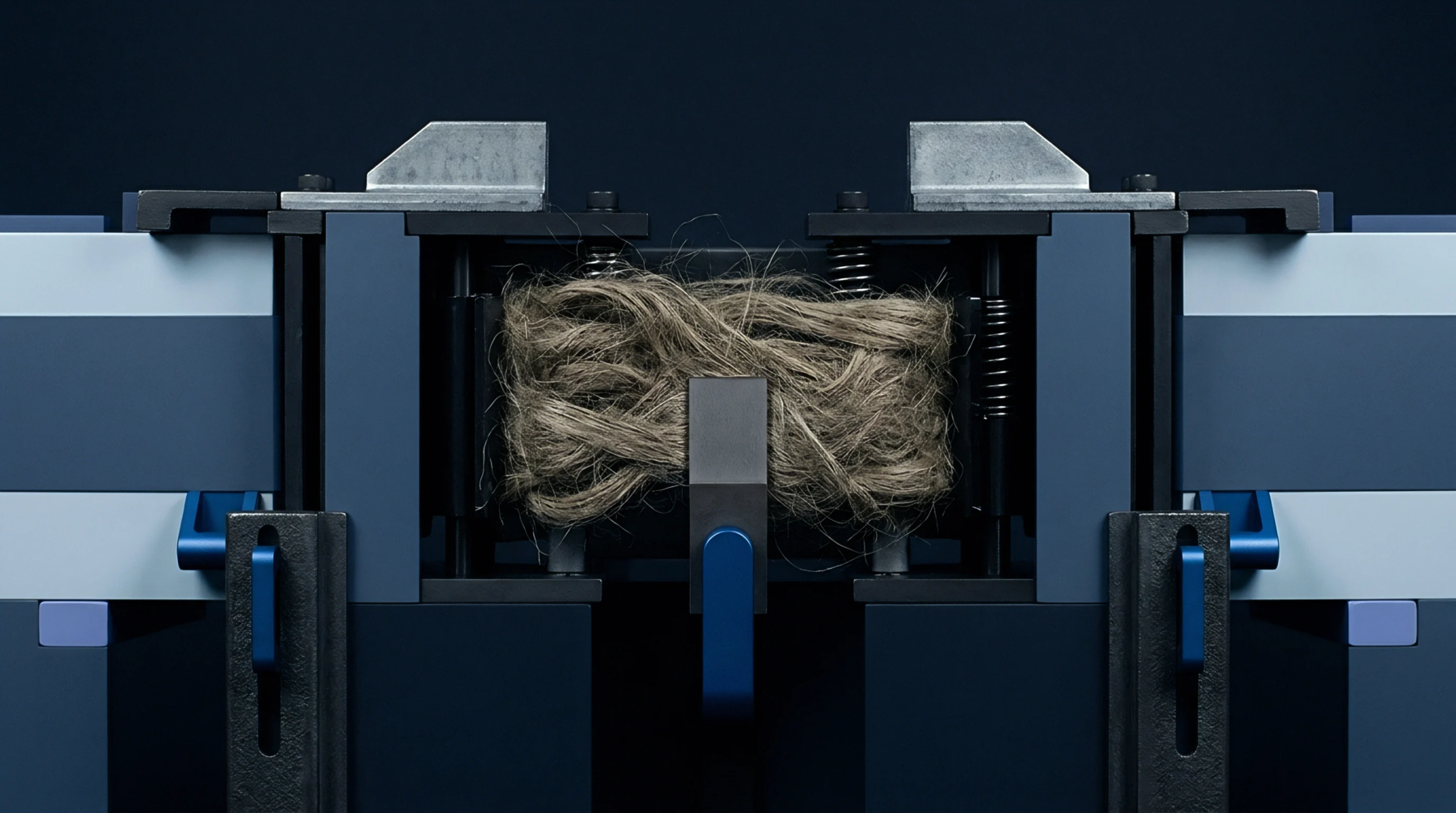
Detect short-staple flax blends in combed line sliver using comb sorter mass arrays and ISO 2370 air permeability tests to stop drafting breaks.
Expertise is a utility, not a secret. sentiention™ publishes its working knowledge as open reference: intelligence layer covering the materials it sources, the markets it enters, and the reference that serves both.