
Reconciling Moisture Regain Calculations in Customs Tariff Subheading Audits
Reconciling moisture regain requires adding statutory commercial regain percentages to oven-dry laboratory fiber masses to prevent blend ratio tariff reclassification.
Reconciling moisture regain requires adding statutory commercial regain percentages to oven-dry laboratory fiber masses to prevent blend ratio tariff reclassification.

Customs flax blend tolerances rely on statutory 3% variance margins adjusted for standard moisture regain factors under ISO 1833 chemical testing.
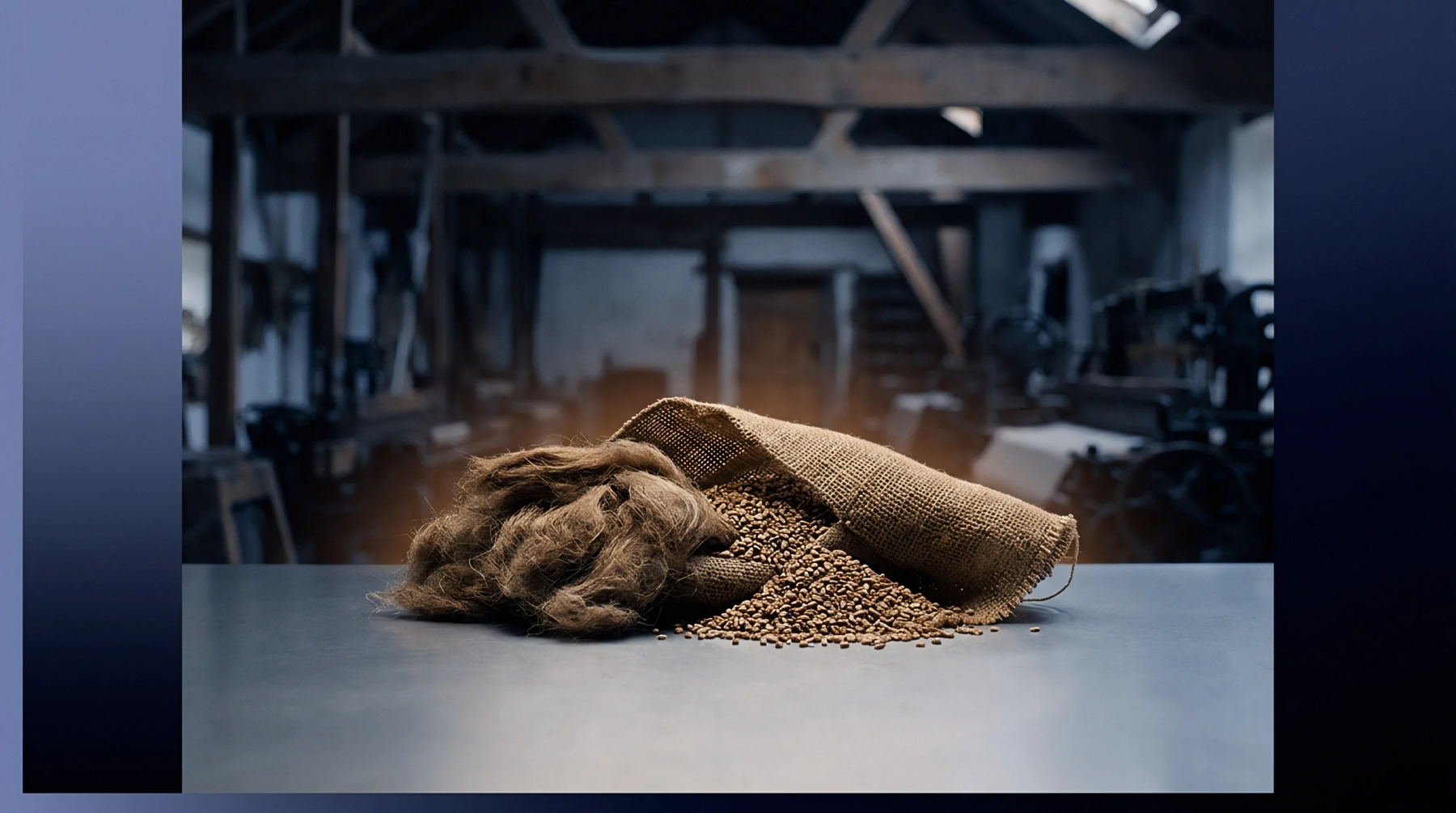
Proving substantial transformation in cross-border linen finishing requires matching chemical mill execution dockets to exact HS tariff shift rules.

Stable isotope analysis of isolated alpha-cellulose resolves European and Asian long staple flax blends down to ten percent with high statistical confidence.

Cross-border flax provenance requires batch-level transaction certificates, physical bale segregation, and strict mass-balance waste reconciliation.
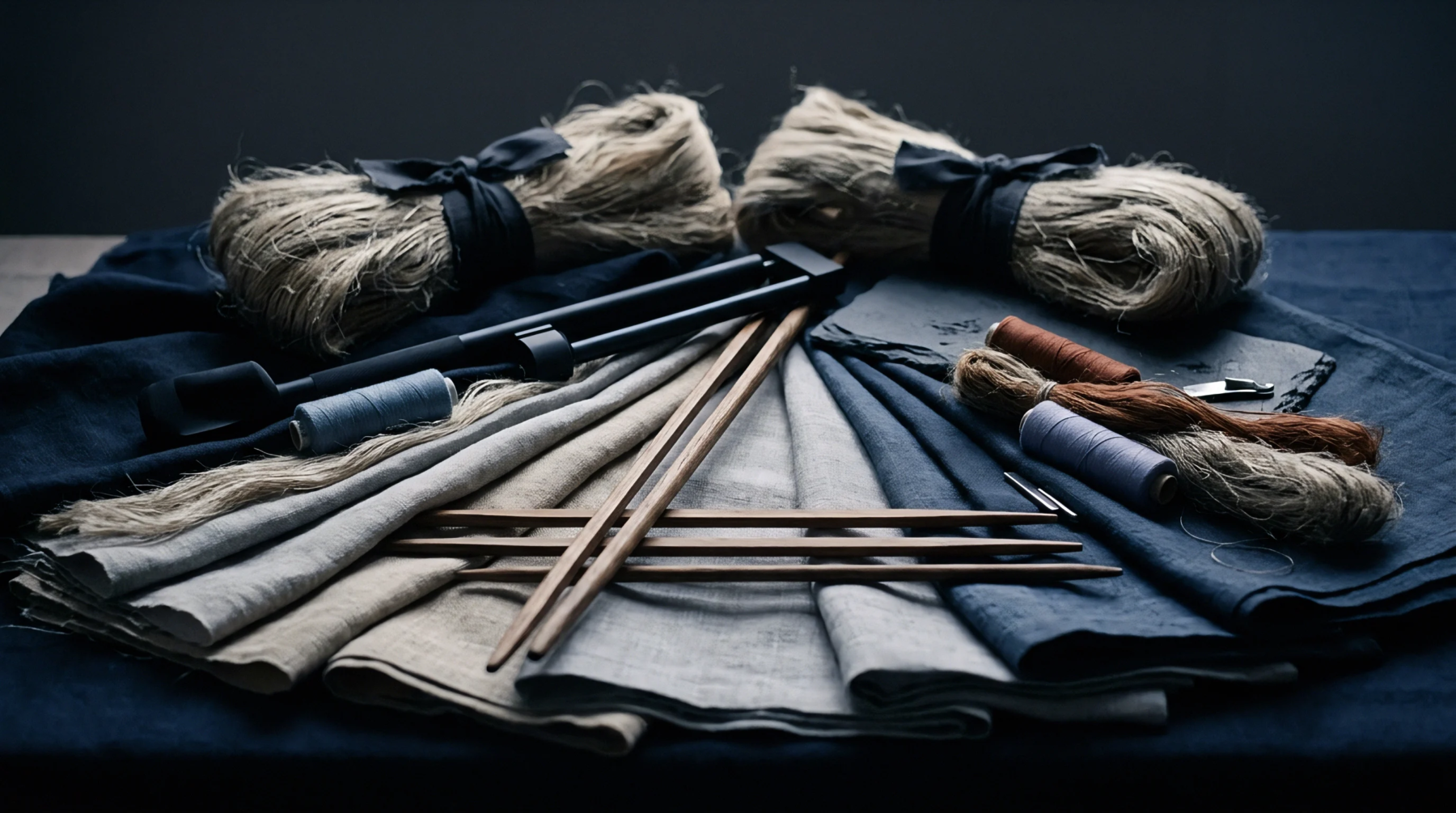
European Flax fibre spun in China retains certified raw material status under valid Transaction Certificates, but confers Chinese country of origin and forfeits Masters of Linen eligibility.

European flax verification requires matching batch Transaction Certificates against mill weighbridge receipts and verifying Scope boundaries across all transformation tiers.

European Flax verification for Asian spinning mills demands matching annual facility scope certificates with lot transaction certificates and dry mass balance ledgers.

Cross-border linen contracts allocate chain of custody discrepancy risks through lot specific warranties, mandatory mass balance audits, and immediate seller indemnity.

Linen origin rests on Western European raw flax scutching records linked through batch transaction certificates and mill mass-balance audits to finished bolts.

Non-preferential origin of woven linen fabric attaches permanently to the loom shed site where yarn transforms into cloth under HS 5309.

Operational provenance verification reconciles raw scutcher bale tags against spinning batch yields to prevent volume inflation across linen supply chains.
Expertise is a utility, not a secret. sentiention™ publishes its working knowledge as open reference: intelligence layer covering the materials it sources, the markets it enters, and the reference that serves both.