Mechanical Alignment
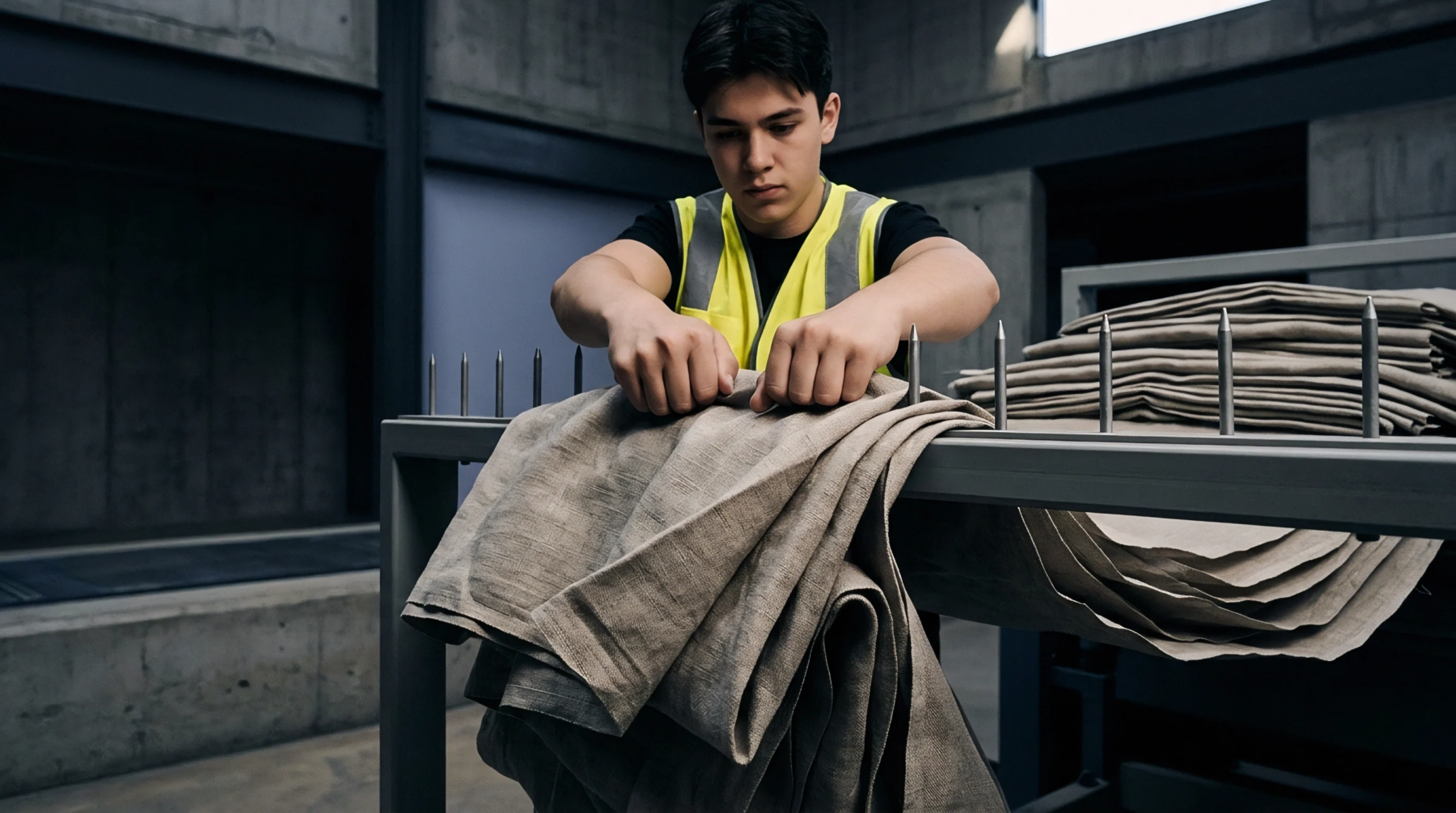
Parallel metal needles move in synchronized cycles to orient flax fibres into a uniform linear arrangement before the roving enters the drawing rollers. Faller pin drafting accomplishes this by controlling fibre movement through the comb action of the pins which prevents uncontrolled drafting or thick spots in the sliver. Individual pins penetrate the fibre mass at a controlled density to ensure that short fibres remain gripped while long fibres move at the precise speed of the faller bars.
This process maintains a consistent sliver weight across the production batch.
Operational Accuracy
Uniformity of the sliver depends on the speed of the faller bars relative to the input velocity of the fibre. Excess speed in the bars stretches the material beyond the elastic limit of the flax while insufficient speed causes hooking or entanglement. Technical supervisors monitor these speeds against the sliver density recorded in the mill production log to prevent structural defects in the final yarn.
Correct interaction between the needle gauge and the fibre diameter ensures that no crushing occurs during the drafting sequence.
Acceptance Criteria
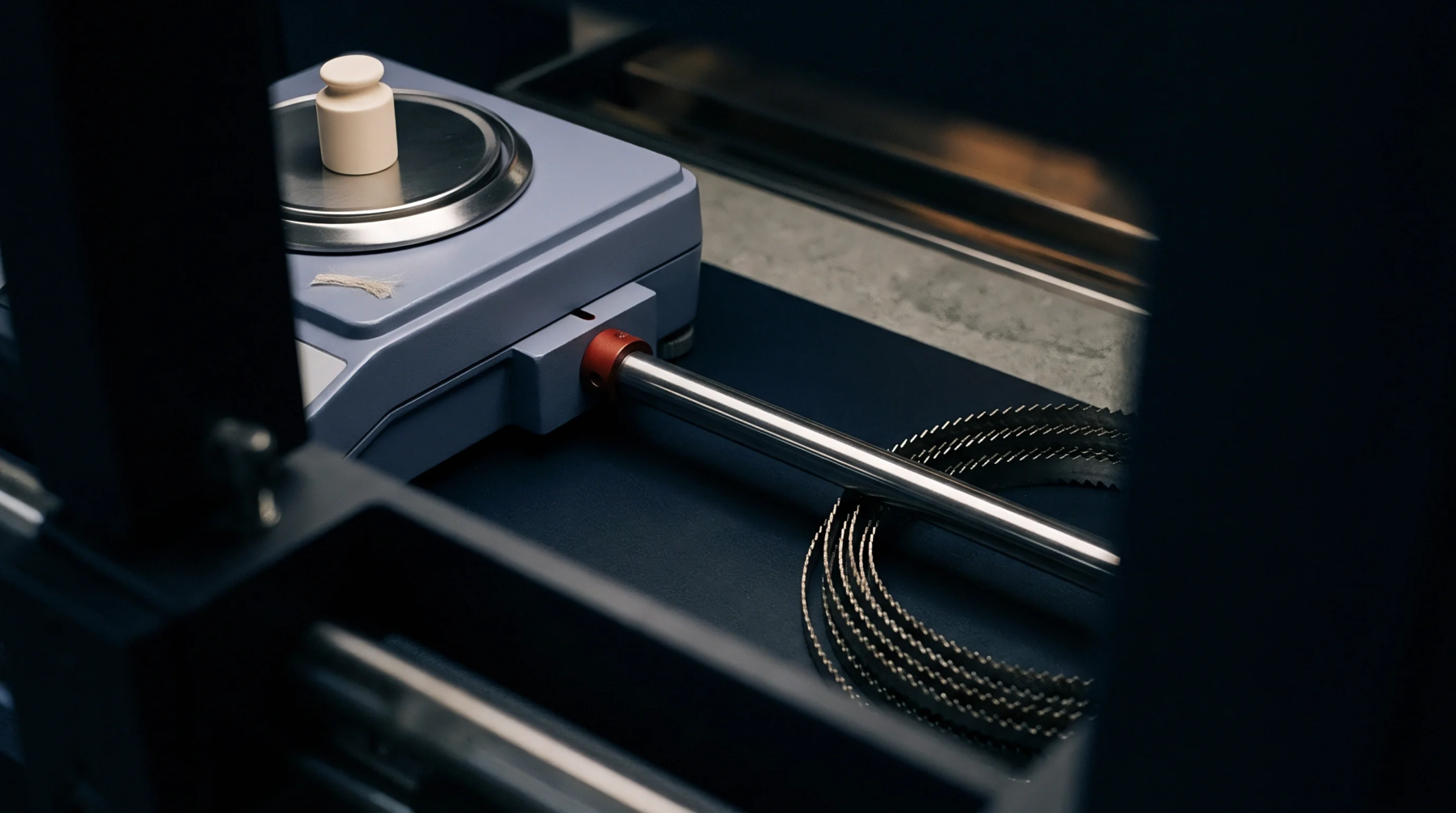
Quality control protocols verify that the drafted sliver meets the requirements for evenness and fibre orientation specified in the buyer contract. Measurement involves analyzing the thickness variation of the sliver over a fixed length to detect deviations caused by worn pins or improper bar timing. Passing grades require that the drafted output conforms to the standard mass per unit length defined for the specific yarn count.
Regular maintenance of the pin bars remains the most effective method for controlling the consistency of the output.