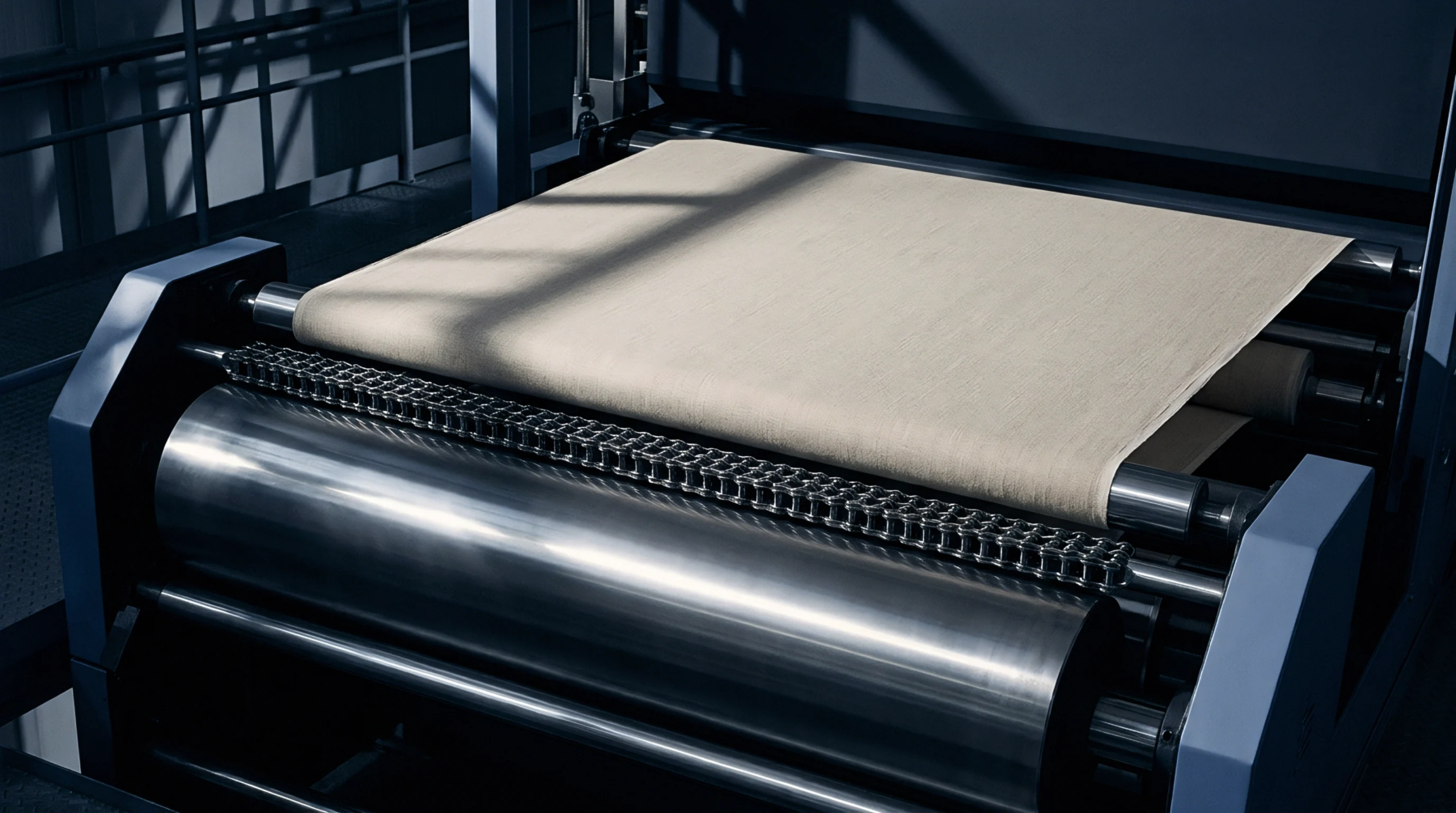
Applying Stochastic Queueing Formulas to Machine Interference in High-Speed Weaving
Finite population queueing models quantify loom interference losses, preventing over-assignment that drives down air-jet shed efficiency below economic targets.
Finite population queueing models quantify loom interference losses, preventing over-assignment that drives down air-jet shed efficiency below economic targets.

Weaver allocation balances labor wages against machine interference losses, where optimal loom-to-operator ratios maximize amortized shed efficiency.
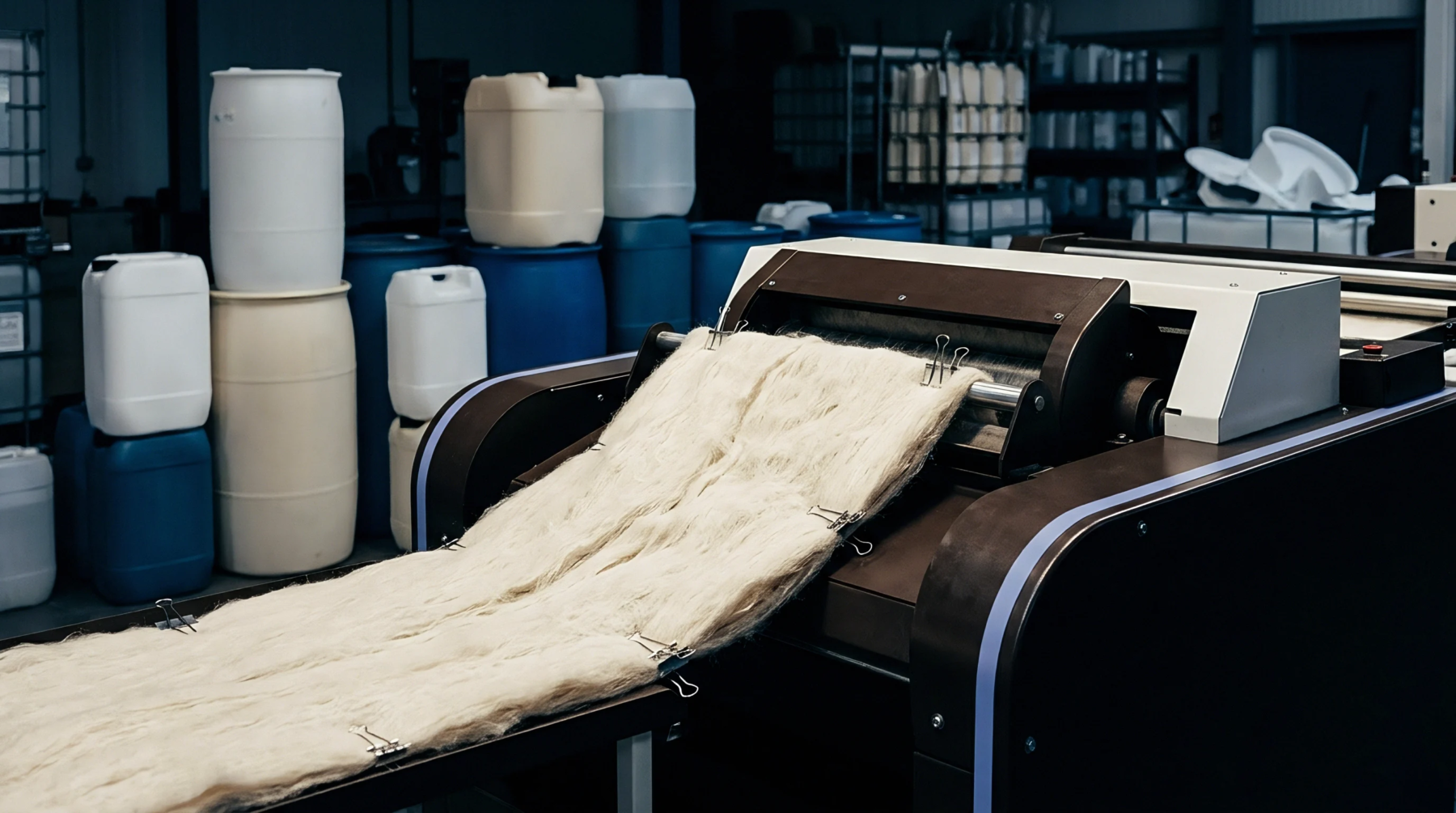
High-density flax weaving contracts require Ashcroft queueing models to adjust loom-hour rates for non-linear machine interference losses.
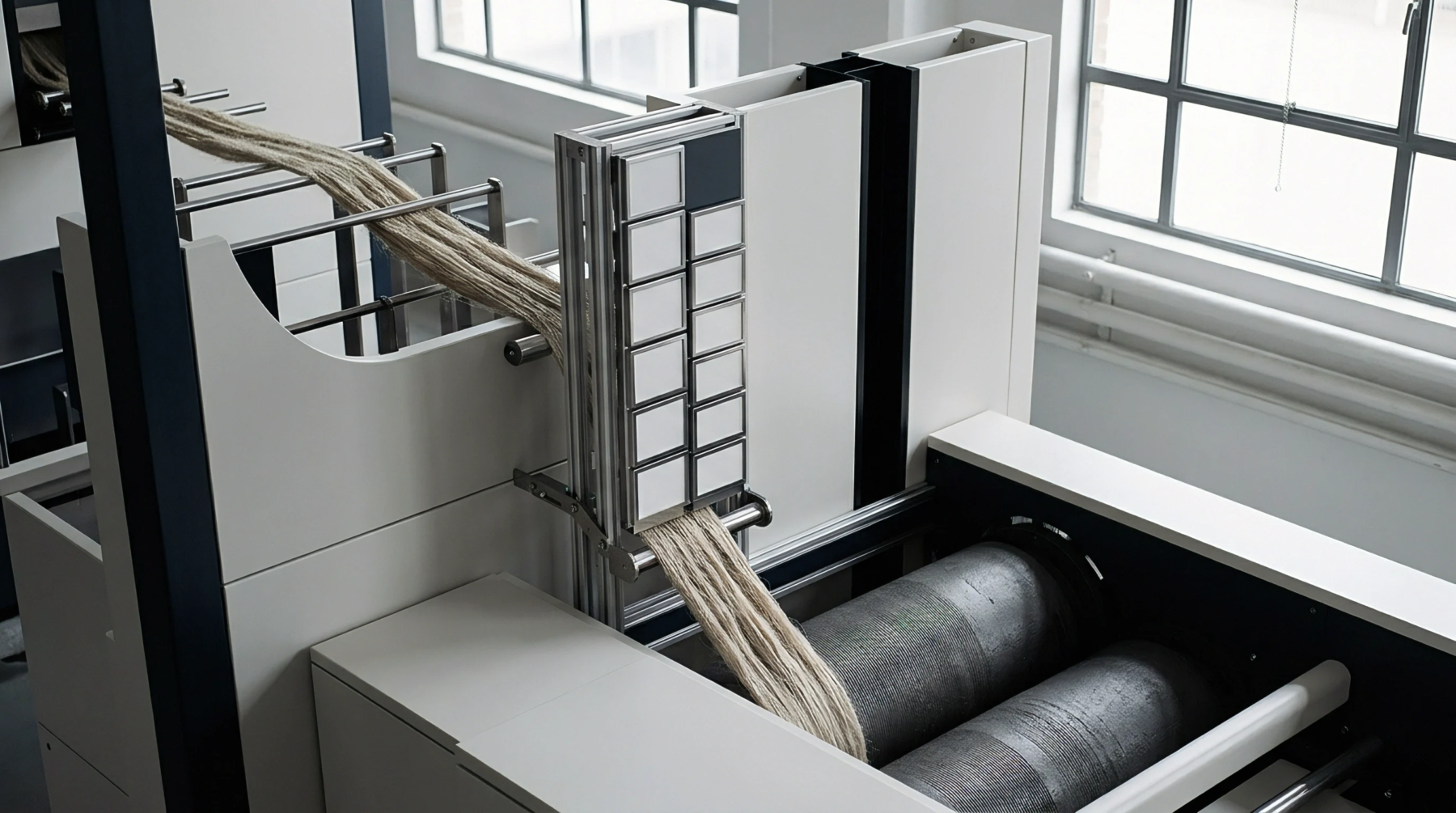
Dynamic weaver routing driven by stochastic queueing telemetry eliminates machine interference losses, raising loom efficiency by over seven percentage points.

Calculating multi-machine allocation penalties in high-density flax weaving requires auditing loom sensor response times against interference efficiency formulas to penalize unabsorbed overhead and defect downgrades caused by operator overburden.
Expertise is a utility, not a secret. sentiention™ publishes its working knowledge as open reference: intelligence layer covering the materials it sources, the markets it enters, and the reference that serves both.