
Degumming Splitting Variance Governing Draft Dynamics in Short Staple Spinning Lines
Degummed flax bundle fineness variance dictates top roller nip stability, requiring wider apron gaps and higher break drafts to control drafting waves.
Degummed flax bundle fineness variance dictates top roller nip stability, requiring wider apron gaps and higher break drafts to control drafting waves.
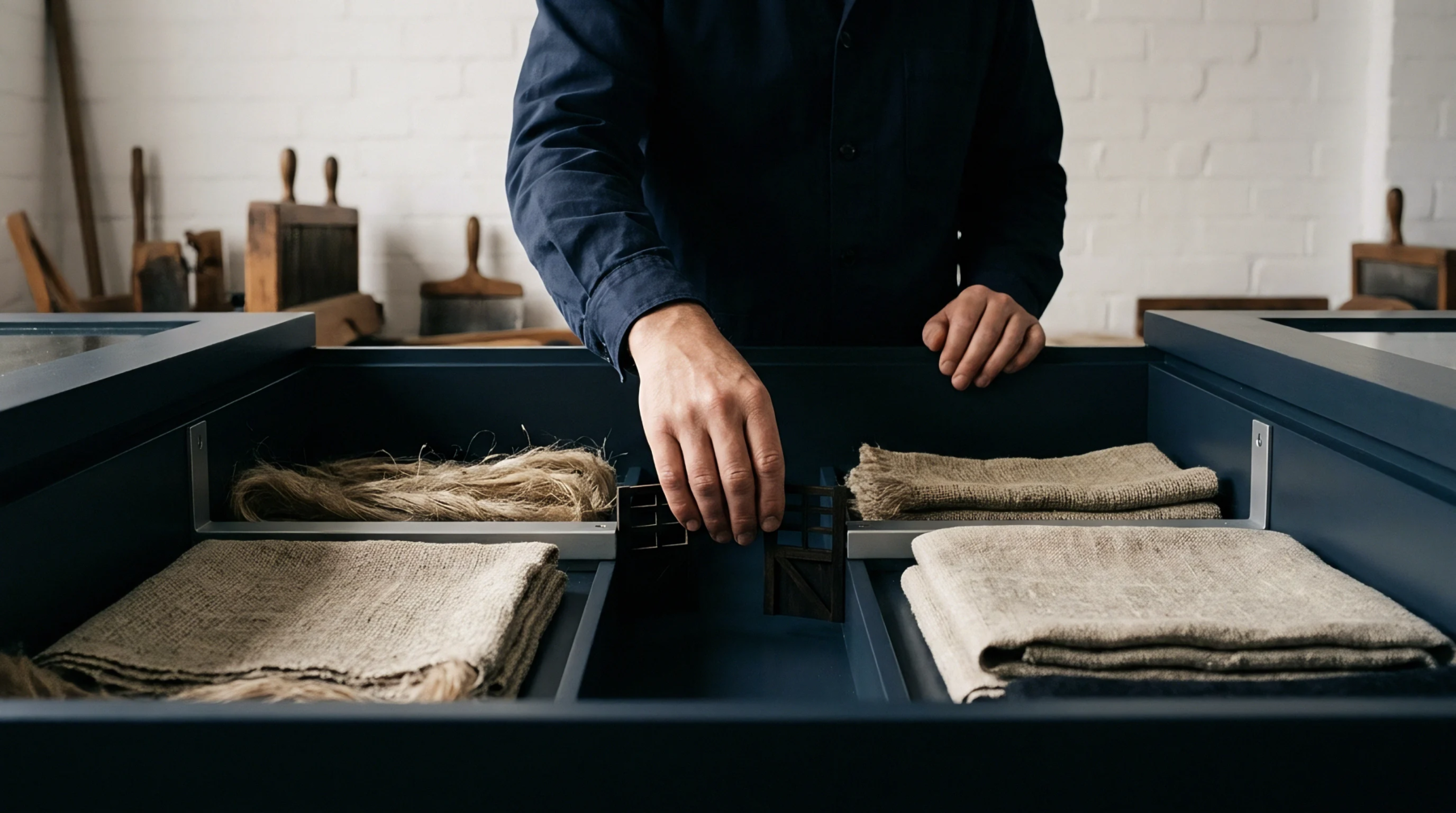
Climate heat stress reduces pectin methyl-esterification, causing premature middle lamella shear failure, higher hackling waste, and lower spun yarn counts.
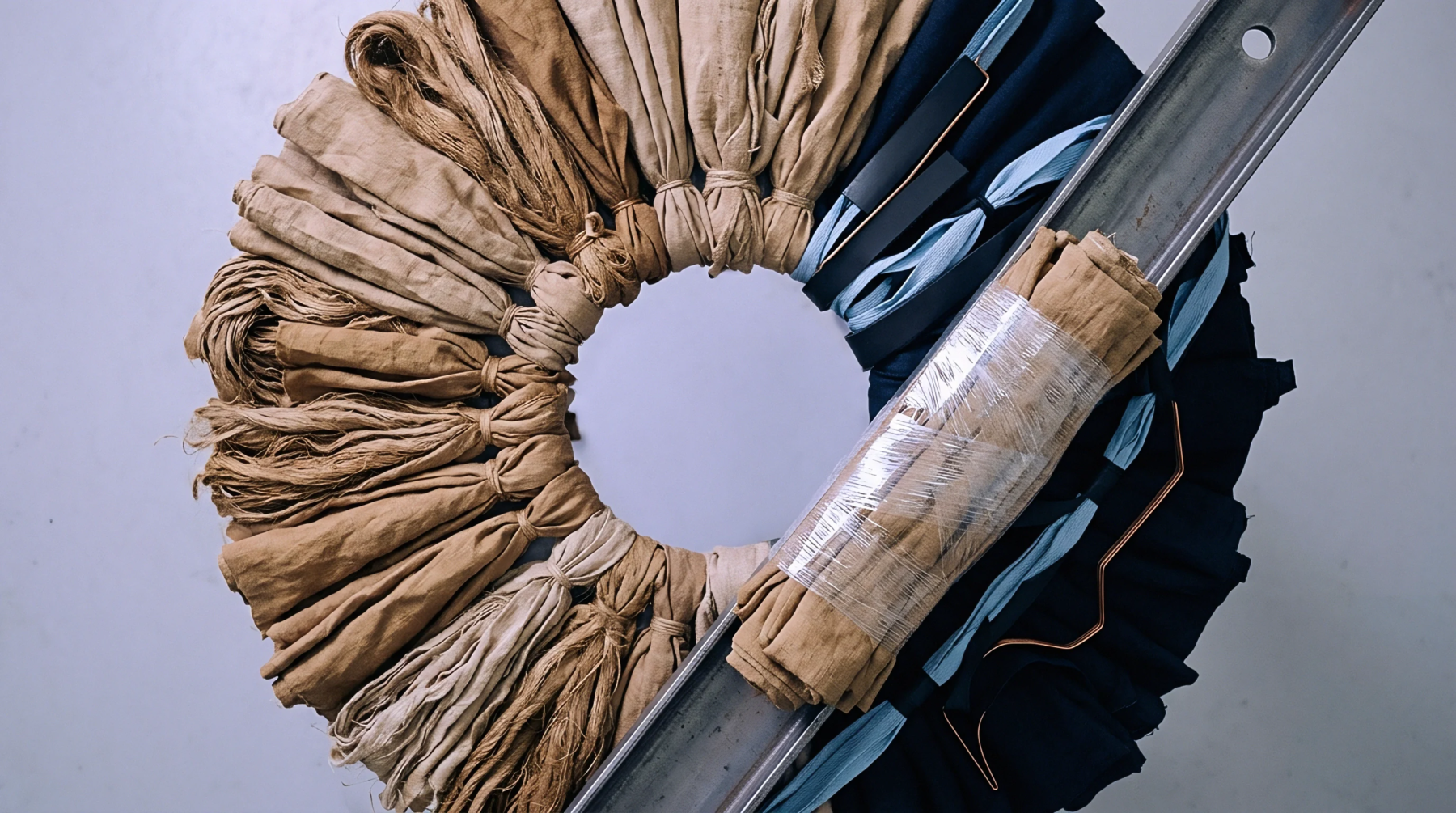
Heat stressed flax requires higher trough temperatures, specialized softeners, reduced break drafts, and lower traveler weights to prevent end breakage.
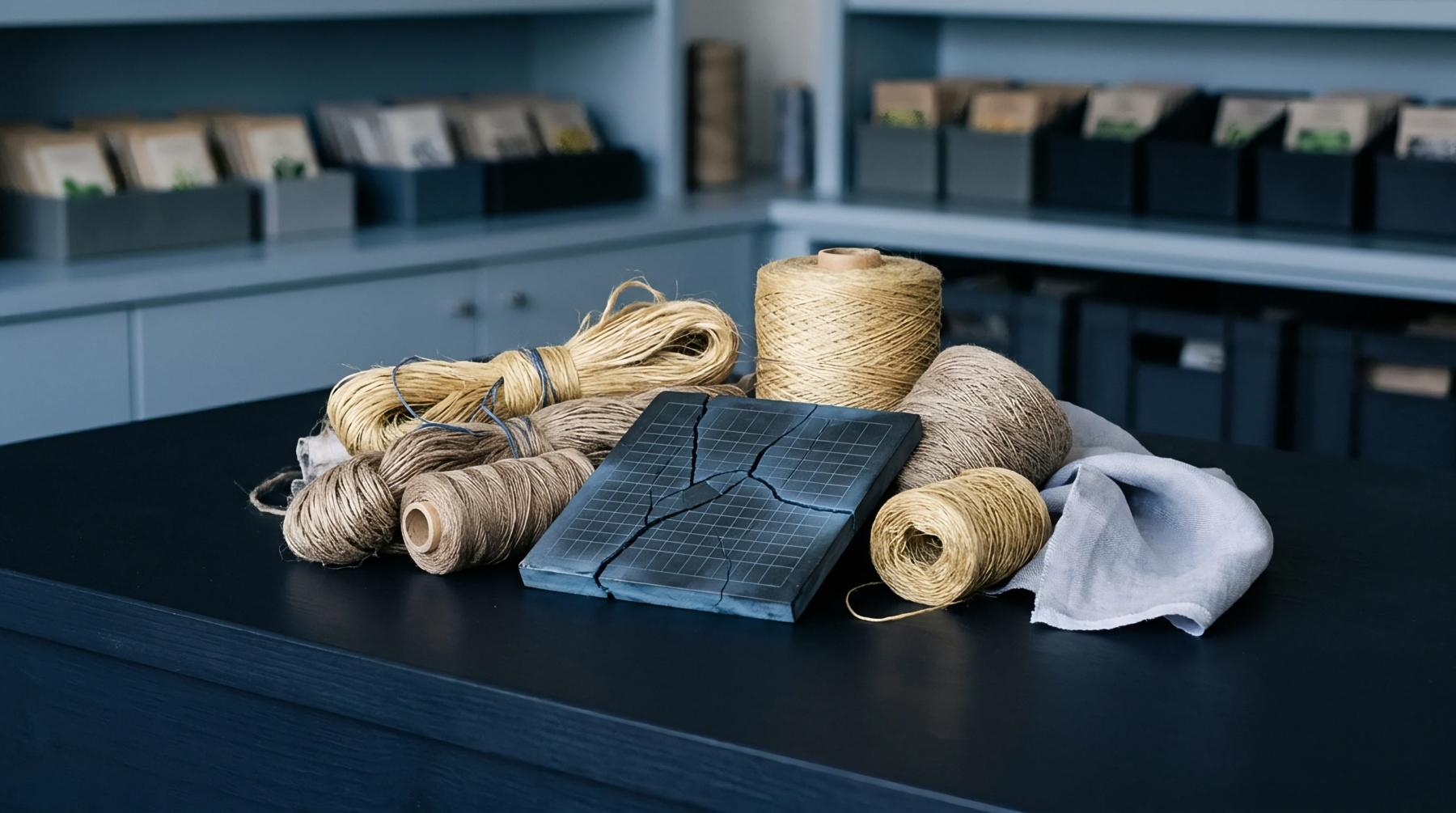
Optimizing dry fine flax yarns requires capping pectin hydrolysis at 2.5% residual mass to preserve bundle tenacity while applying 0.3% boundary finish.

Flax wet bundle cohesion limits depend on pectin esterification, where levels between 38 and 48 percent optimize drafting resistance and yarn count.
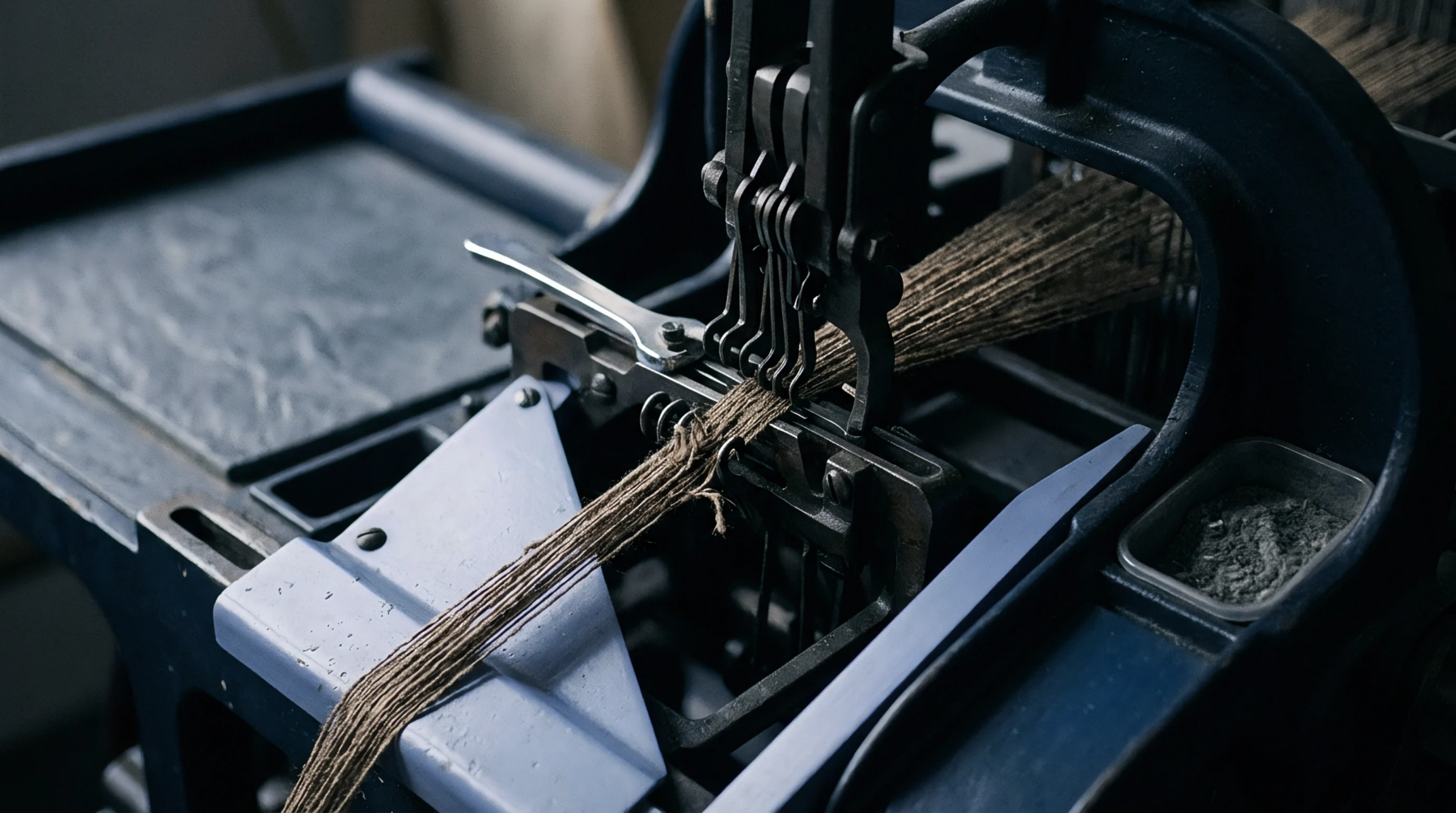
Sliver mass variance generates dynamic force spikes in drafting zones, driving end breaks, reducing frame efficiency, and elevating finished linen yarn costs.
Raw flax grading requires correlating technical bundle fineness and retting pectin decay with hackling yields to establish wet spinning count limits.

Hydrothermal pectin dissolution rates must match drafting speed and bath temperature to prevent core rigidity or slippage in the wet spinning draft triangle.
Expertise is a utility, not a secret. sentiention™ publishes its working knowledge as open reference: intelligence layer covering the materials it sources, the markets it enters, and the reference that serves both.