Production Requirement
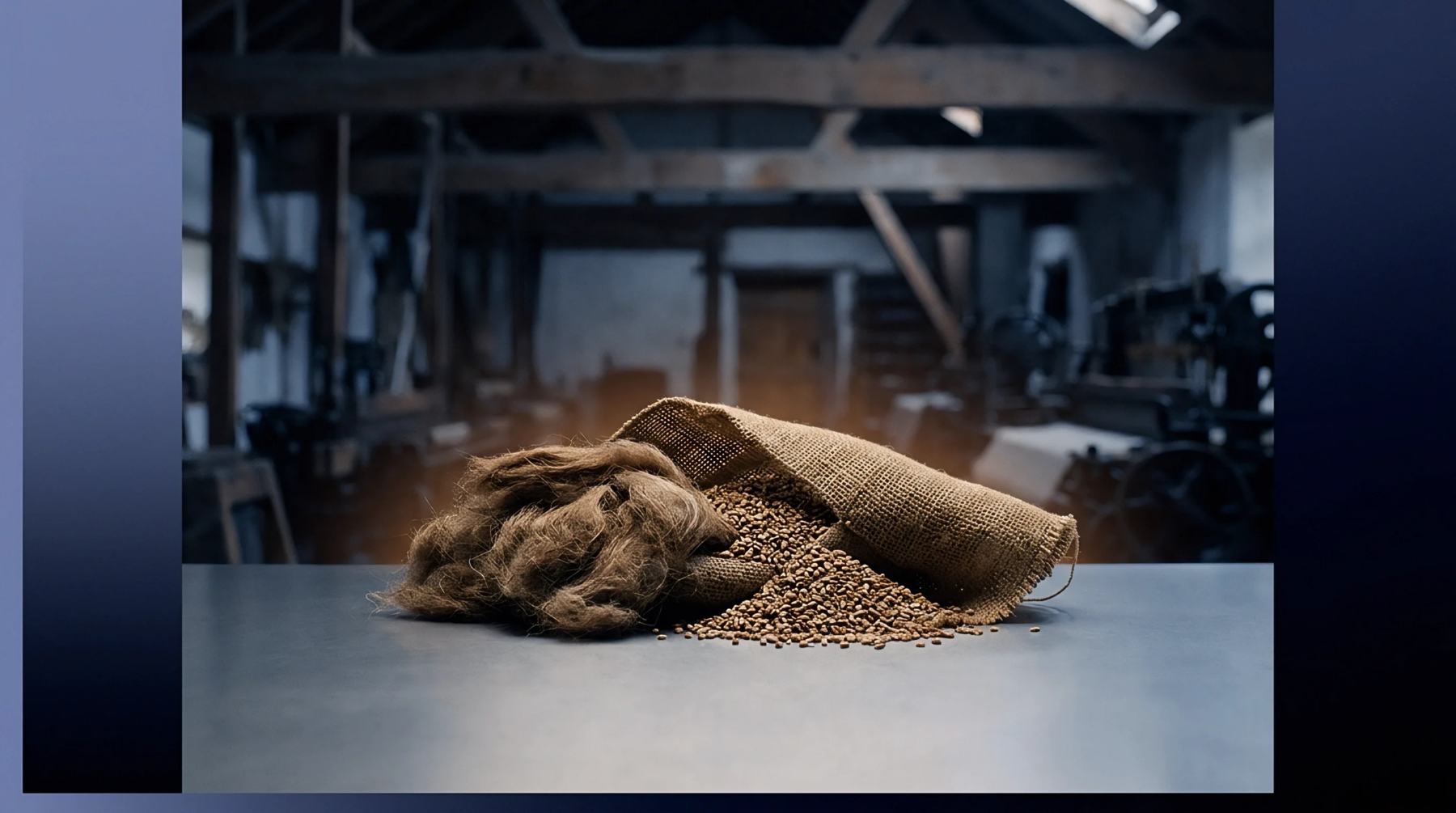
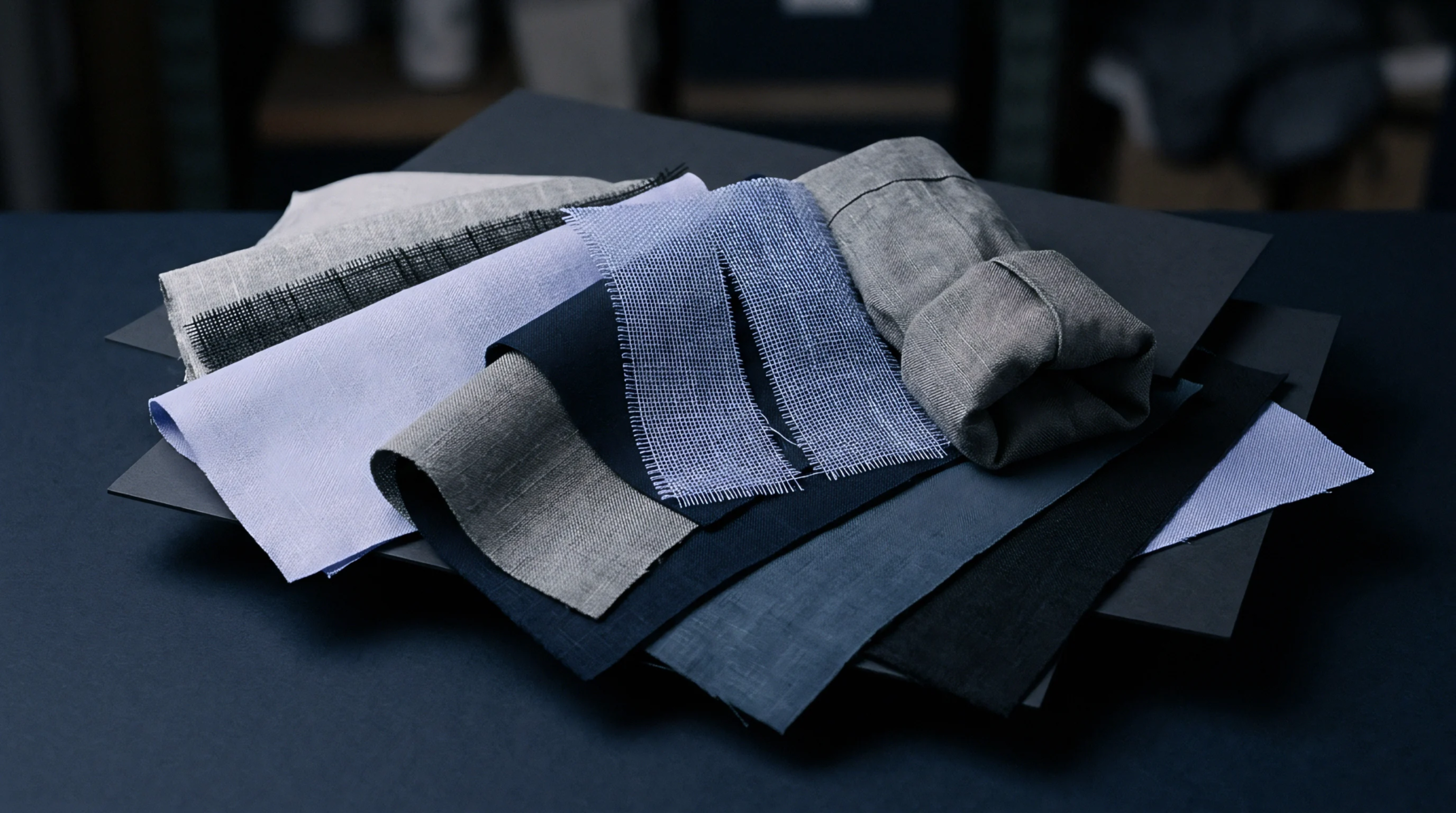
Tariff reductions are measured against the origin of every component in a finished textile article. Adherence to the yarn forward rule ensures that the entire manufacturing process occurs within a specific trade zone. This regulation stipulates that for a linen shirt to qualify for duty-free status, the yarn must be spun and the fabric must be woven in the treaty zone.
It is more restrictive than the simple substantial transformation test.
Supply Chain Constraint
Importers must provide a complete paper trail starting from the spinning mill to prove the origin of the yarns. Under the yarn forward rule, using linen yarn from a non-member country would disqualify the finished fabric even if the weaving took place locally. This forces manufacturers to build regional supply chains to take advantage of trade benefits.
The documentation must link the yarn lot numbers to the final fabric rolls. Mill certificates and fiber purchase invoices are the primary tools used for verification.
Market Access
Compliance with this standard allows mills to offer their products at a more competitive price in the target market. Failure to meet the yarn forward rule means the goods will be taxed at the full most-favored-nation rate. This requirement encourages investment in local spinning and weaving infrastructure.
It remains one of the most notable barriers in modern textile trade agreements.