Fibre Measurement
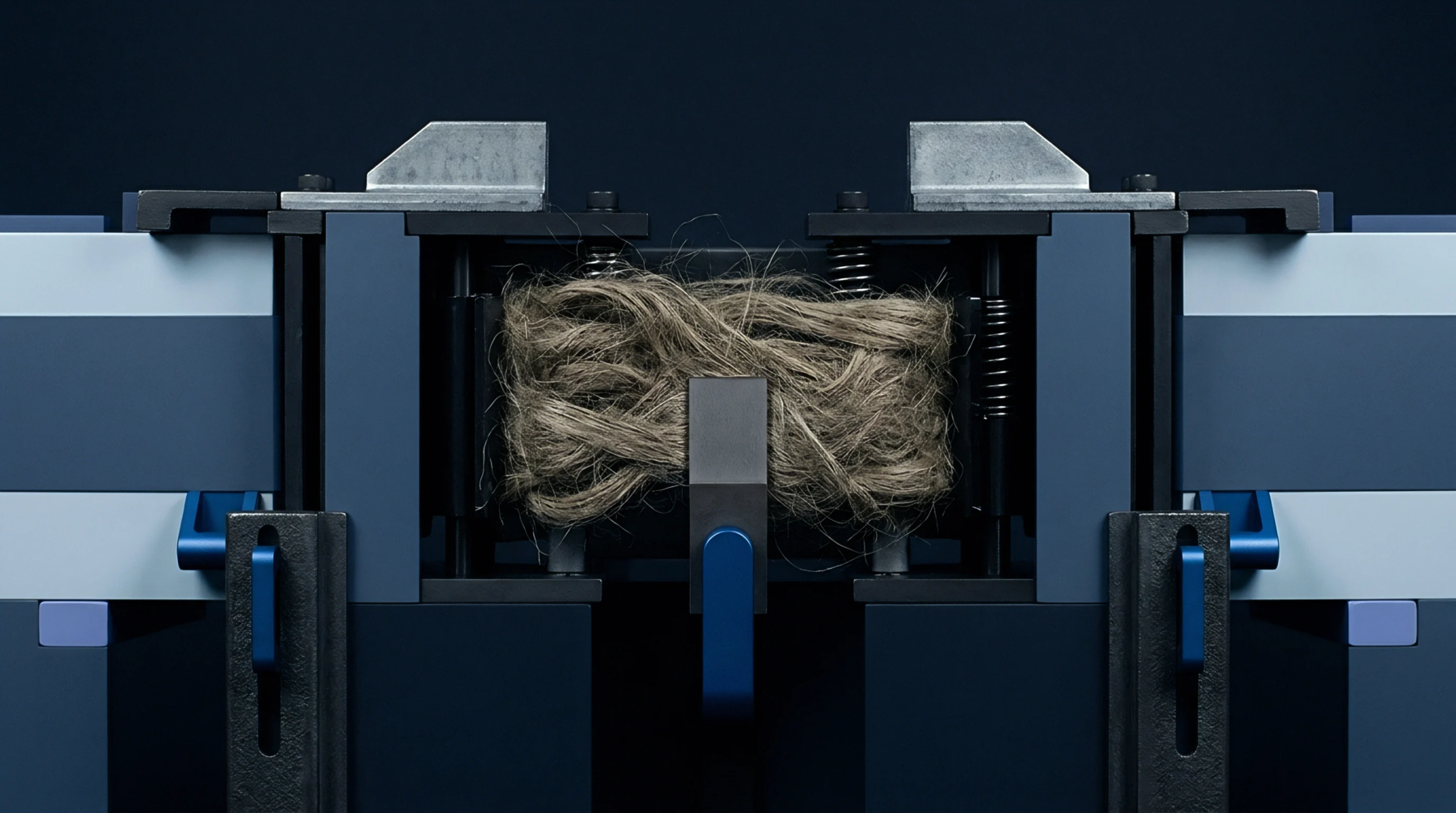
Mechanical diagnostic equipment within the flax spinning stage identifies non-compliant individual filaments that fall below the minimum length threshold required for high-speed automated machinery. The short staple detection hardware employs laser diffraction arrays to isolate fibres that fail to reach the specific centimetre length mandated by the mill production schedule. These devices trigger an immediate diversion of substandard flax components into a separate waste hopper before the raw material enters the carding frame.
Accurate identification of these fragments prevents entanglement within the rollers and ensures uniform tension during the drafting process. Proper setup minimizes the occurrence of thick spots in the resulting yarn that otherwise lead to breakage during the later weaving stage.
Operational Calibration
Technical staff perform manual verification of the sensor thresholds against a reference sample of certified flax before every shift. Each machine maintains a digital log recording the ratio of discarded short components relative to the total mass of fed material. Periodic air cleaning of the optical windows prevents dust buildup from causing false readings that interrupt the feed flow.
High volumes of rejected fibres signal either an issue with the preceding combing stage or a degradation in the raw harvest quality supplied by the farm. Supervisors monitor these logs to adjust the rotation speed of the cylinders and maintain the continuity of the production line. Consistent feedback loop data allows the plant to refine the settings for specific flax batches that exhibit different moisture levels.
Quality Specification
Linen mills set the rejection parameters based on the buyer acceptance criteria documented in the commercial sales contract for the finished textile. Fibre grade standards rely on this detection as a primary gatekeeper for determining the suitability of the input stock for fine yarn counts. Individual factory rules define the physical limit for non-conforming filaments differently than international trade standards because equipment capabilities vary between spinning facilities.
Cloth quality remains dependent on the efficiency of this screening mechanism to strip away loose particles that would produce uneven surfaces. Short staple detection provides the only reliable barrier against the contamination of high-quality long fibre lots with inferior debris.