Starch Modification
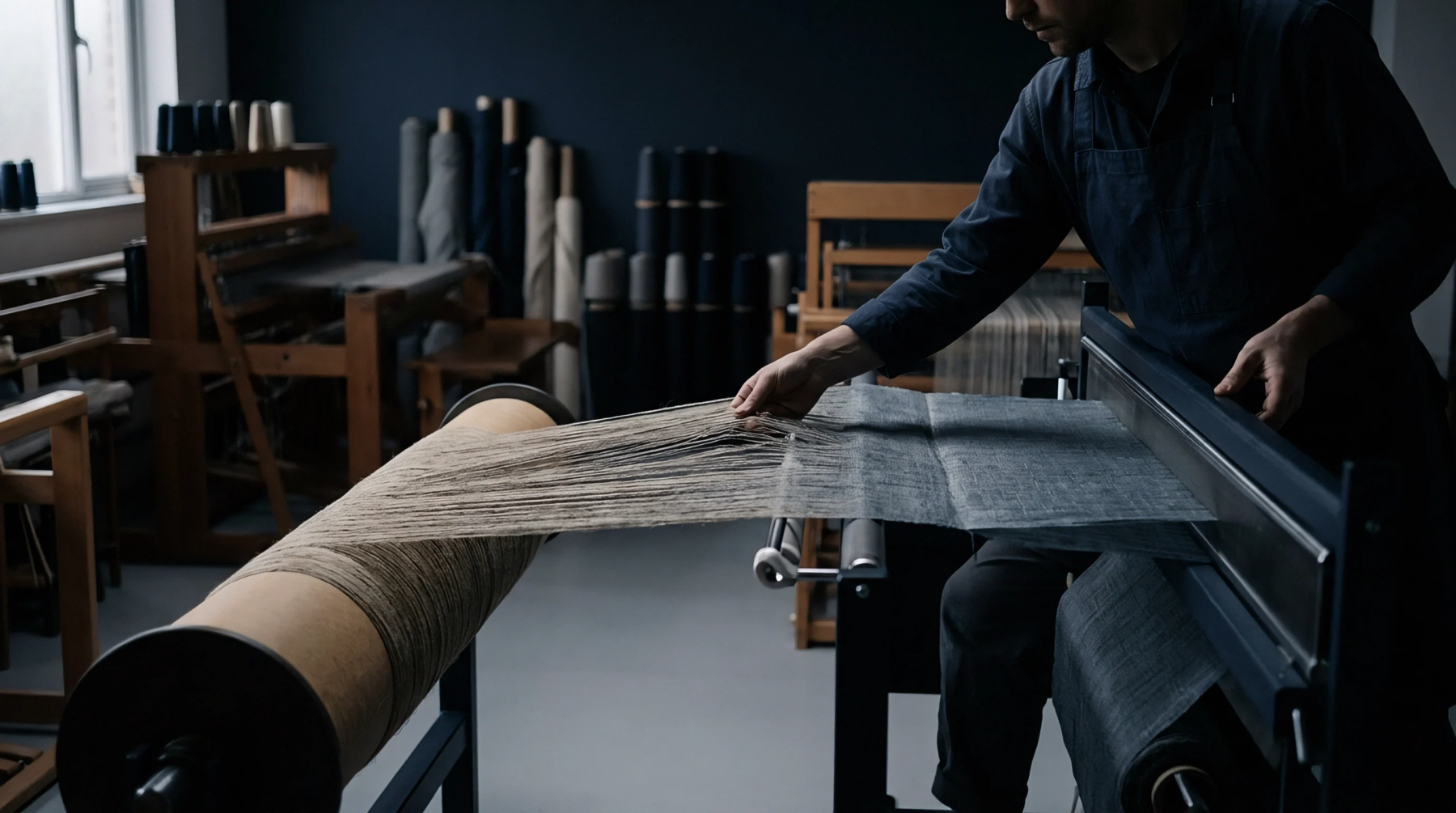
Chemical processing of carbohydrate polymers derived from plants alters the physical properties of natural potato starch to provide specific performance characteristics during the warp sizing of linen yarns. Modified potato starch acts as a sizing agent that coats fibres to increase abrasion resistance during the high tension weaving process. This substance undergoes etherification or esterification to prevent retrogradation where the molecules realign into a rigid gel structure.
The conversion process stabilizes the viscosity of the sizing bath to ensure uniform pick up by the yarn surface. Manufacturers select this material to improve the film strength and flexibility of the protective coating on the flax fibres. A stable film prevents the yarn from snapping under the repeated mechanical stress of the loom.
Application Grade
Technical specifications within the mill define the viscosity and gelatinization temperature required for successful sizing cycles. The document detailing these parameters lists the degree of substitution necessary to achieve compatibility with linen fibre bundles. Grade verification involves testing the solubility of the product in hot water to ensure no clumps remain in the feed tank.
Laboratory technicians analyze samples from each batch against the standard set by the purchase order. A deviation in the substitution level causes the sizing to flake off the linen during shed opening. Consistent chemical properties ensure the yarn maintains sufficient elasticity to survive the friction against the metal heddles and reeds.
Processing Impact
Increased concentration of the polymer within the sizing liquor enhances the adhesion of the starch to the flax surface. High pressure application forces the fluid into the core of the yarn bundle to bind individual fibres together. Proper sizing reduces hairiness on the woven fabric surface and results in a cleaner appearance.
Operators monitor the moisture content of the yarn after drying to maintain the pliability of the treated material. Overdried starch makes the yarn brittle and prone to breakage during the shedding motion of the machine. The chemical integrity of the material determines the efficiency of the loom shed and the final tensile strength of the woven cloth.