Customs Classification
International trade regulations define woven fabrics of flax as a distinct commodity group based on the structural properties and material composition of the textile goods presented for import. The harmonized system heading 5309 designates a specific category for cloths containing at least 85 percent flax fibres by weight. Customs officials use this numerical identifier to determine applicable tariffs and to verify compliance with origin rules during the cross-border movement of goods.
Import declarations must cite this code to differentiate linen goods from cotton or synthetic alternatives. Traders apply the classification at the point of entry when the goods leave the custody of the carrier.
Production Verification
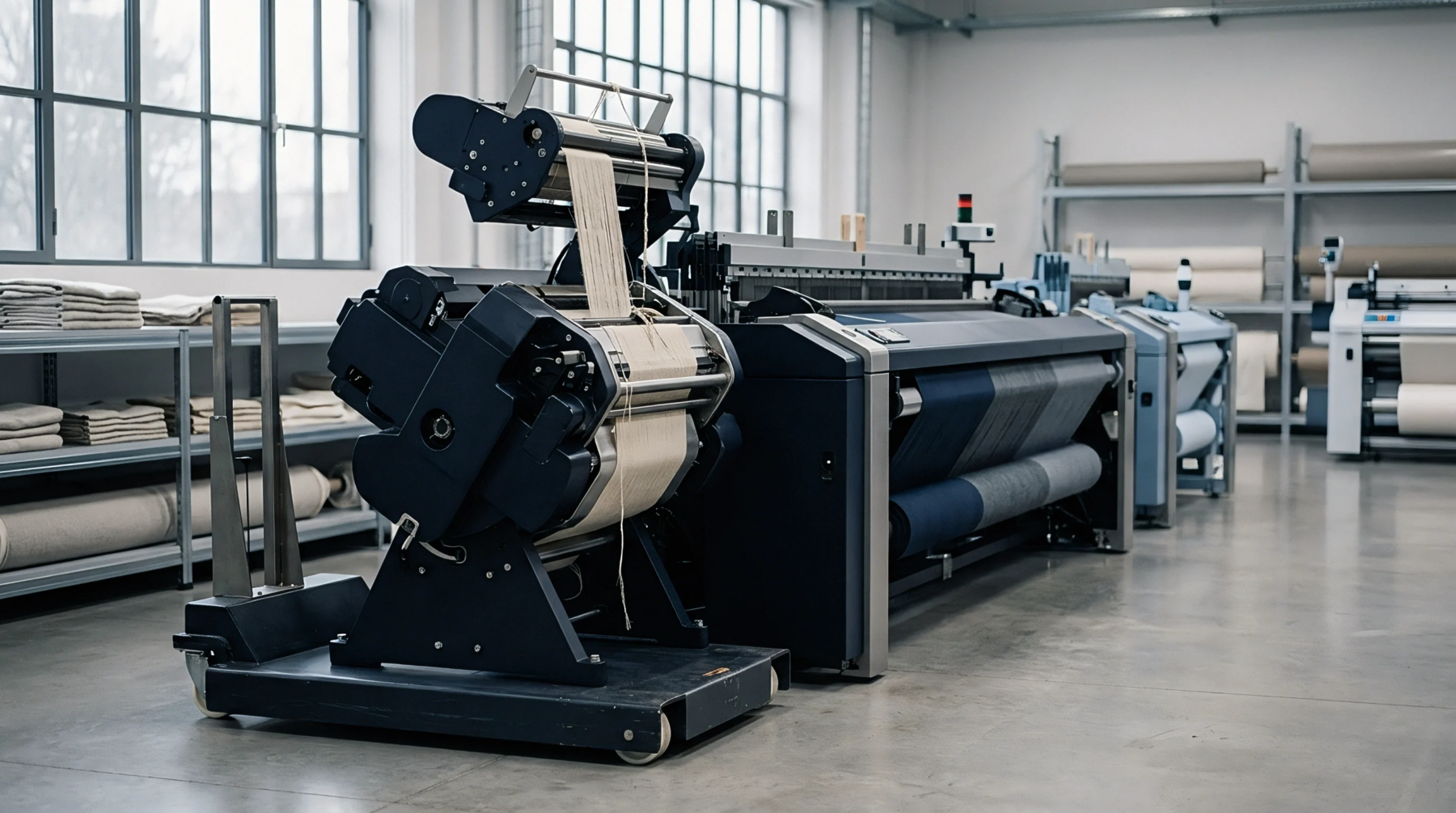
Mills producing linen fabrics manage the quality of their output through systematic testing of raw materials and finished goods. Before a loom begins operation, managers test the flax fibre for tensile strength and moisture content to ensure conformity with the requirements of the final product. The harmonized system heading 5309 acts as the boundary for the financial verification of these textiles, as it forces a distinction between high-purity flax and blended fabrics containing other natural or artificial fibres.
Testing centres measure the weight ratio of flax to other materials using chemical analysis or physical separation of the warp and weft. If the flax content falls below the 85 percent threshold, the fabric falls under a different code. Quality reports generated by the mill serve as the primary proof of composition for customs authorities.
These documents verify the chemical purity of the fibre and the mechanical integrity of the finished cloth.
Market Compliance
Buyers establish their own acceptance criteria that often exceed the basic requirements set by international trade codes. Where the harmonized system heading 5309 demands a minimum fibre purity, a textile purchaser might insist on additional standards regarding colour fastness and shrink resistance. Compliance with the official code is a mandatory condition for shipping, yet the specific grade of the fabric remains a commercial agreement between the mill and the buyer.
Fabric grades distinguish between heavy industrial cloths and delicate linens intended for consumer garments. A deviation from the technical specifications listed in the sale contract results in the rejection of a lot regardless of its status under customs law. Accurate classification ensures the legal passage of these textile goods.