Final Waste
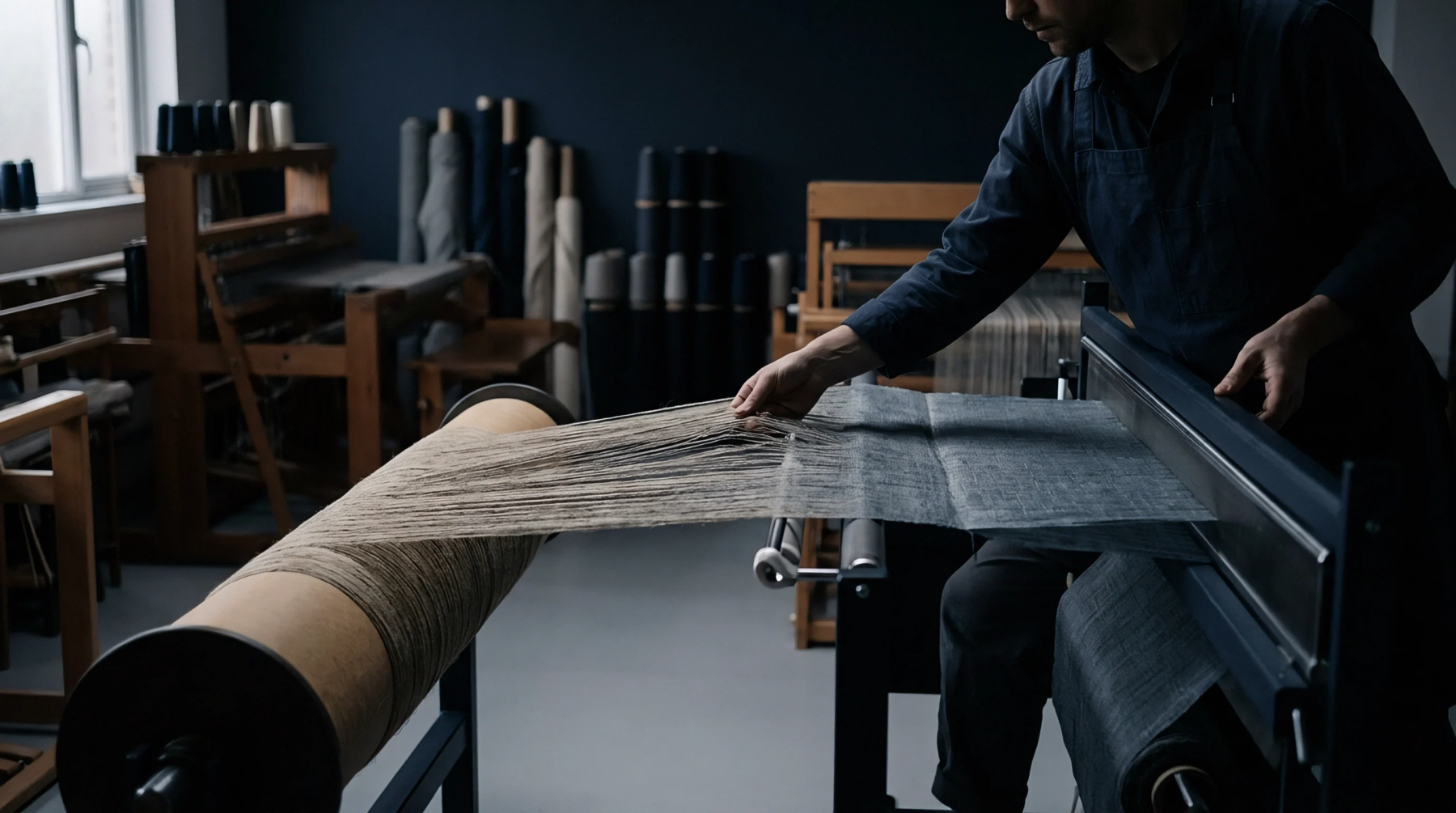
Impurities and yarn defects removed during the winding of the finished product are collected as a specific category of manufacturing loss. This yarn winder clearing waste contains the slubs and thin spots that have been cut out by the electronic yarn clearers. It is the final filtration point before the yarn is packed onto cones for shipping or weaving.
Quality Threshold
Sensors on the winder identify deviations in yarn diameter and trigger a blade to cut the yarn when a defect is detected. The volume of yarn winder clearing waste indicates the overall quality of the spinning process and the cleanliness of the raw material. If the waste volume is high, it suggests that the preceding spinning stages did not sufficiently remove impurities or that the twist was uneven.
Mills track this waste to optimize the clearing sensitivity settings, balancing the need for perfect yarn against the cost of excessive splicing.
Commercial Use
Collected material is often baled and sold for use in non-woven applications or specialty paper production. The yarn winder clearing waste has a lower value than the primary yarn but provides a recovery stream for the mill’s overhead. Detailed records of this waste help in calculating the final yield of the production batch.