Determining True Dry Mass in Textile Specimen Moisture Testing
Determining true dry mass demands isolating pure cellulosic fibre weight through volatile extraction pre-treatment and thermal convection balance correction.
Oven
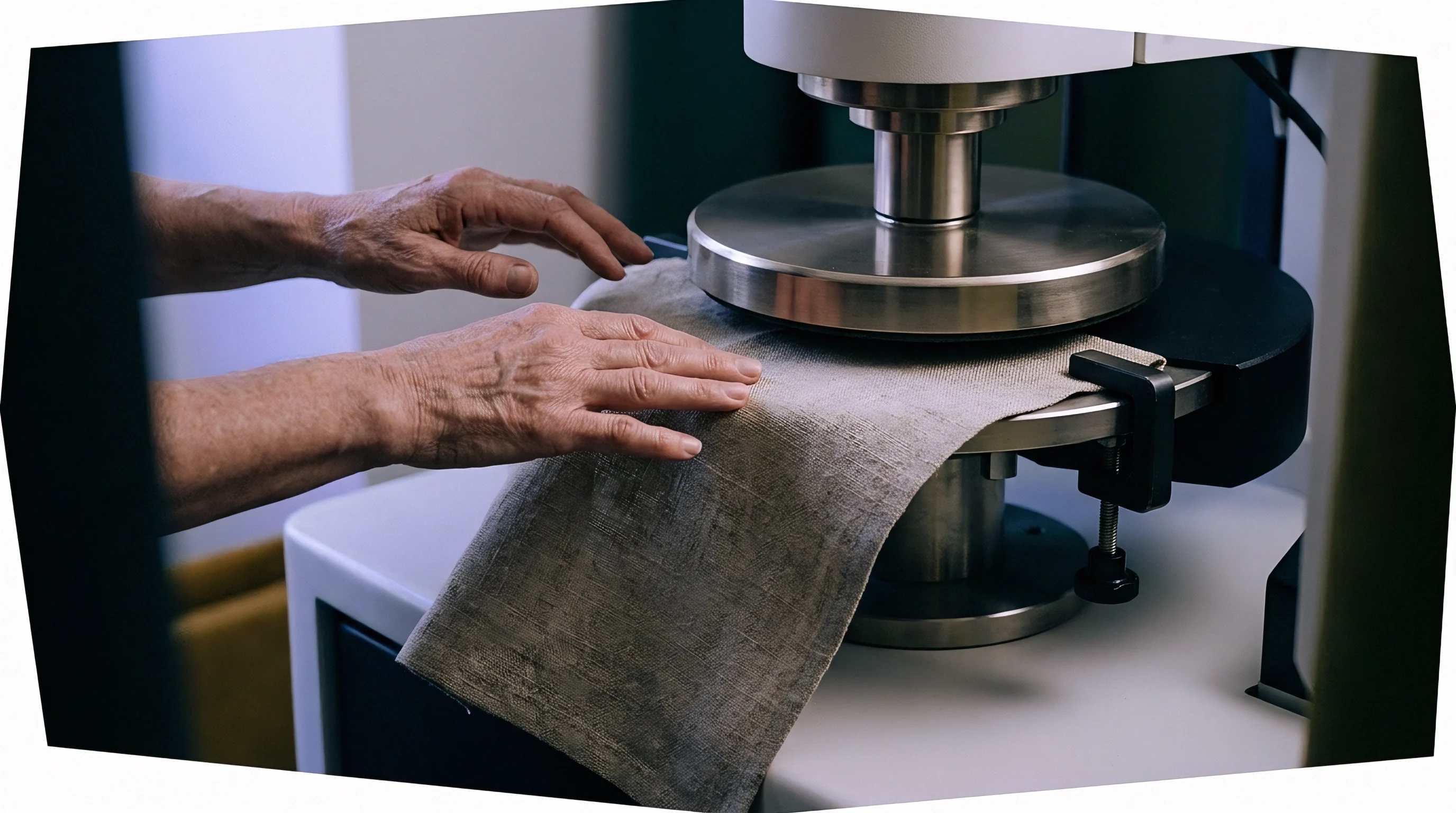
Thermal desiccation of textile specimens relies on reaching thermodynamic equilibrium between specimen pore moisture and circulating dry air at 105 degrees Celsius. In laboratory testing of bast fibres such as flax, hemp, and jute, moisture content calculations dictate the commercial settlement mass of multi-tonne shipments. Standard forced-air drying chambers circulate heated ambient air through open-mesh specimen baskets to remove unbound surface moisture and capillary-trapped water.
The ambient air entering the drying chamber carries its own atmospheric humidity. When ambient laboratory air at 20 degrees Celsius and 65 percent relative humidity enters an oven heated to 105 degrees Celsius, the relative humidity of that air drops to approximately 0.5 percent. This residual vapor pressure prevents the complete removal of molecularly bound moisture.
Water molecules bind to flax hydroxyl groups.
The rate of moisture vaporization depends directly on airflow velocity across the specimen surface. Air velocities between 0.5 metres per second and 1.5 metres per second optimize mass transport while minimizing physical fibre loss from unspun sliver or roving. Standard testing protocols like ISO 2060 and ASTM D2495 specify heating until consecutive weighings at specified intervals demonstrate mass stability.
Mass stability occurs when two successive weighings taken 15 minutes apart differ by less than 0.05 percent of the total specimen mass. Achieving true dry mass demands strict control over temperature distribution within the heating zone. Temperature gradients exceeding two degrees Celsius create localized relative humidity variations inside the chamber, causing uneven drying profiles across multi-specimen trays.
Forced-air drying at 105 degrees Celsius with 65 percent ambient relative humidity leaves a residual atmospheric moisture equilibrium of 0.08 percent within dried flax fibre.
Cellulosic fibres exhibit high hygrosensitivity due to the abundance of accessible hydroxyl groups in amorphous regions of the cell wall. Standard ovens operate at 105 degrees.
Thermodynamic Equilibrium and Atmospheric Air Intake
Air entering the drying enclosure carries moisture that limits the ultimate dryness achievable by thermal means alone. The absolute humidity of the laboratory ambient environment dictates the moisture vapor partial pressure inside the heating zone. If a laboratory operates in high-humidity conditions without dehumidified intake air, the residual equilibrium moisture content of the specimen remains measurably elevated.
Direct moisture exchange occurs continuously between the hot air stream and the hydrophilic amorphous zones of the flax microfibrils.
Barometric pressure fluctuations also shift the boiling point of trapped interstitial water and modify vapor expansion rates. High-altitude laboratories operating at reduced atmospheric pressures experience accelerated moisture evaporation at lower internal specimen temperatures. Adjusting drying duration compensates for barometric displacement.
Standard test procedures require recording ambient laboratory temperature and relative humidity during each drying cycle to apply post-test psychrometric corrections when calculating absolute dry mass.
| Standard Specification | Target Temperature (°C) | Temperature Tolerance (°C) | Airflow Velocity (m/s) | Equilibrium Stability Criteria |
|---|---|---|---|---|
| ISO 2060 | 105 | ± 2.0 | 0.5 to 1.0 | < 0.05% mass change per 15 min |
| ASTM D2495 | 105 | ± 2.0 | 0.7 to 1.2 | < 0.10% mass change per 20 min |
| ASTM D1576 | 110 | ± 3.0 | 0.5 to 1.5 | < 0.05% mass change per 15 min |
| EN ISO 1833-1 | 105 | ± 3.0 | 0.8 to 1.2 | Constant mass reached after 1 h minimum |
Airflow Velocity and Specimen Mass Loss Kinetics
Boundary layer resistance surrounding dense yarn packages or compressed fiber tufts impedes vapor escape. High airflow velocity collapses this boundary layer, accelerating the initial drying phase. Overspeed airflow creates mechanical turbulence that dislodges micro-fibres from un-skeined yarn samples, producing artificially inflated mass loss readings that testers mislodge as evaporated moisture.
Specimen container geometry must permit uniform cross-flow ventilation without inducing fibre entrainment into the exhaust ductwork.
The physical arrangement of specimens within the drying cabinet alters local heat transfer coefficients. Stacking specimen baskets vertically starves upper tiers of fresh hot air while exposing lower tiers to direct radiant heat from base heating elements. Radiant heating elevates internal specimen temperatures above the setpoint of the circulating air, inducing thermal degradation before complete water removal occurs.
Shielding specimens from direct heater sightlines ensures pure convective heat transfer. Standard testing setups require calibrated spatial temperature mapping across all specimen positions. Bale weights vary with humidity.
Whether forced ambient airflow introduces unquantified chemical binding changes during extended exposure remains a subject of ongoing inquiry across analytical laboratories.

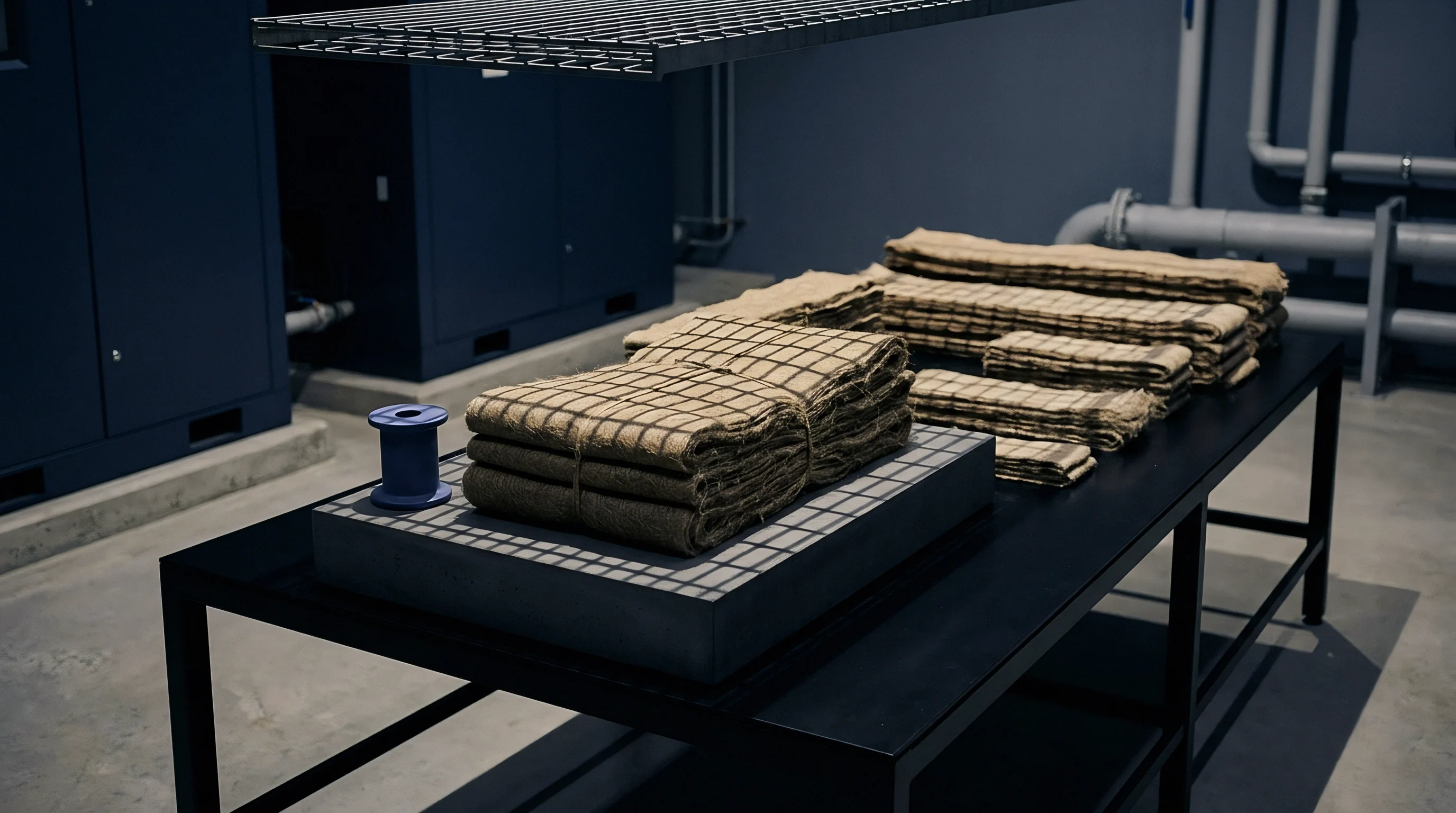
Volatiles
Bast fibres like flax contain up to seven percent non-cellulosic constituents including waxes, pectins, low-molecular-weight hemicelluloses, and residual spinning lubricants. Exposing raw or processed linen specimens to elevated temperatures drives off low-boiling organic compounds alongside physical moisture. Standard thermal desiccation at 105 degrees Celsius vaporizes light paraffin waxes and synthetic processing oils applied during yarn spinning.
This concurrent loss of organic mass distorts moisture percentage calculations by attributing total specimen weight reduction exclusively to water loss.
Pectins and hemicelluloses within the flax middle lamella begin thermal decomposition at temperatures as low as 110 degrees Celsius. Extended drying cycles exceeding four hours break glycosidic bonds in amorphous polysaccharide chains, releasing water of constitution alongside volatile degradation products like furfural and acetic acid. Pectins break down above 110 degrees.
Thermogravimetric analysis demonstrates that un-scoured flax fibre loses up to 0.4 percent of its solid organic mass when held at 105 degrees Celsius for six hours. Differentiating pure aqueous evaporation from organic vaporization requires selective pre-treatment solvent extraction.
Standard finish extraction under ISO 1833 Clause 5 mandates petroleum ether scouring whenever spin finish content exceeds half a percent by weight to prevent false mass loss readings.
Solvent extraction removes non-polar waxes and synthetic spin finishes prior to thermal dry mass determination. Soxhlet extraction using petroleum ether or n-hexane isolates non-hygroscopic lipids without stripping structural cell-wall polysaccharides. Scouring specimens with organic solvents establishes a clean dry base weight consisting solely of structural cellulose, hemicellulose, and lignin.
Petroleum ether removes surface wax. When analyzing yarns treated with water-soluble sizing agents like polyvinyl alcohol or starch, cold-water washing protocols must precede thermal drying to remove non-volatile additives that retain bound water up to 120 degrees Celsius.
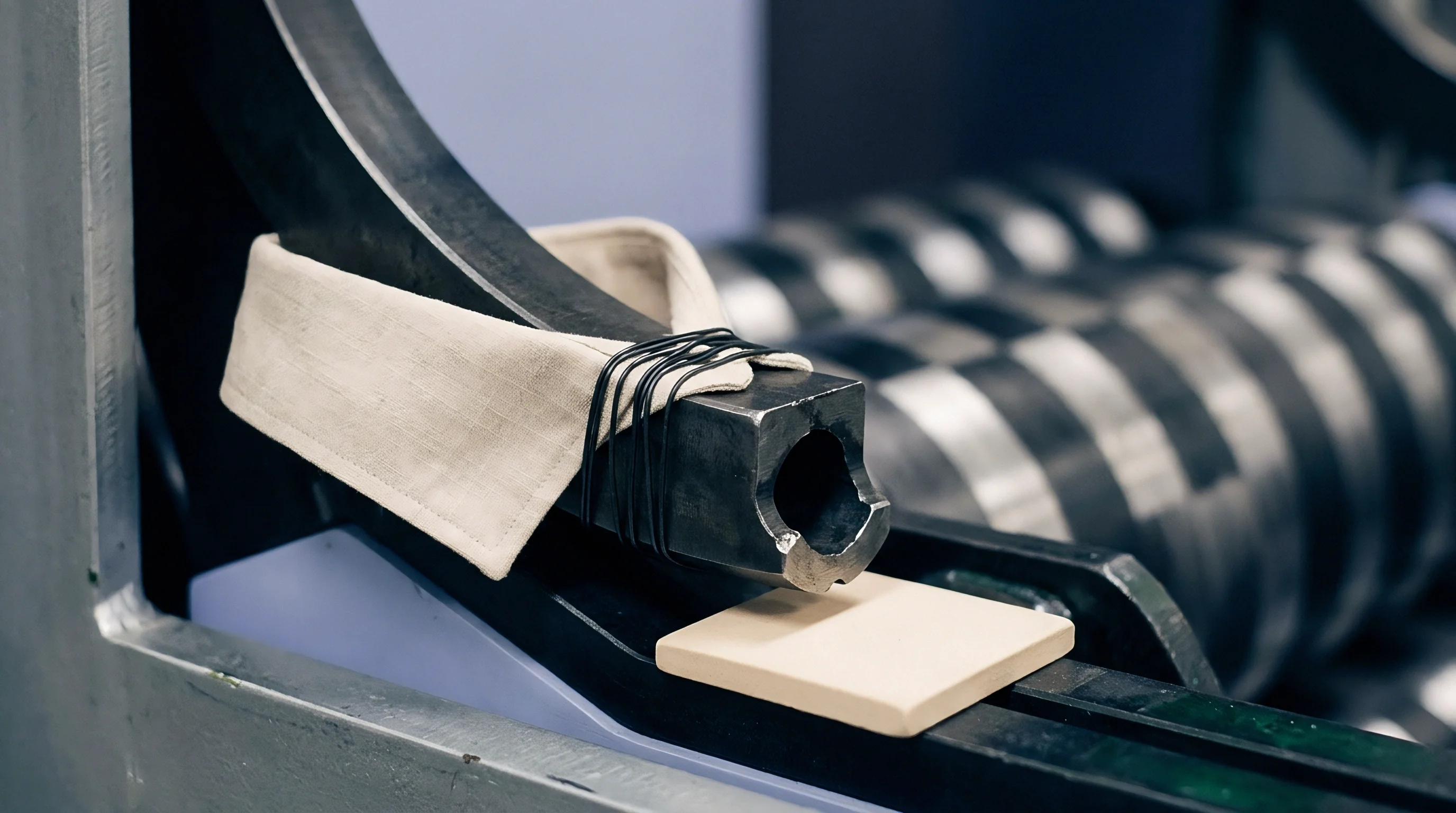
Thermal Degradation Thresholds of Flax Polysaccharides
The structural integrity of plant fibres degrades progressively under sustained thermal stress. Thermal degradation initiates with the cleavage of weak hydrogen bonds holding amorphous hemicellulose networks together. As cell-wall polymers break down, volatile organic fragment emission accelerates, artificially inflating calculated moisture loss values.
Monitoring specimen mass loss curves over time reveals a distinct inflection point where rapid moisture release transitions into slow pyrolytic decomposition.
Lignin constituents display higher thermal resistance than hemicelluloses but undergo oxidative cross-linking when exposed to atmospheric oxygen at elevated temperatures. Oxygen uptake during drying increases specimen dry weight, partially masking simultaneous water mass loss. Performing thermal desiccation under an inert nitrogen blanket eliminates oxidative weight gains, yielding true dry cellulosic mass.
Inert gas drying is mandatory when certifying reference standard samples for calibration calibration schemes.
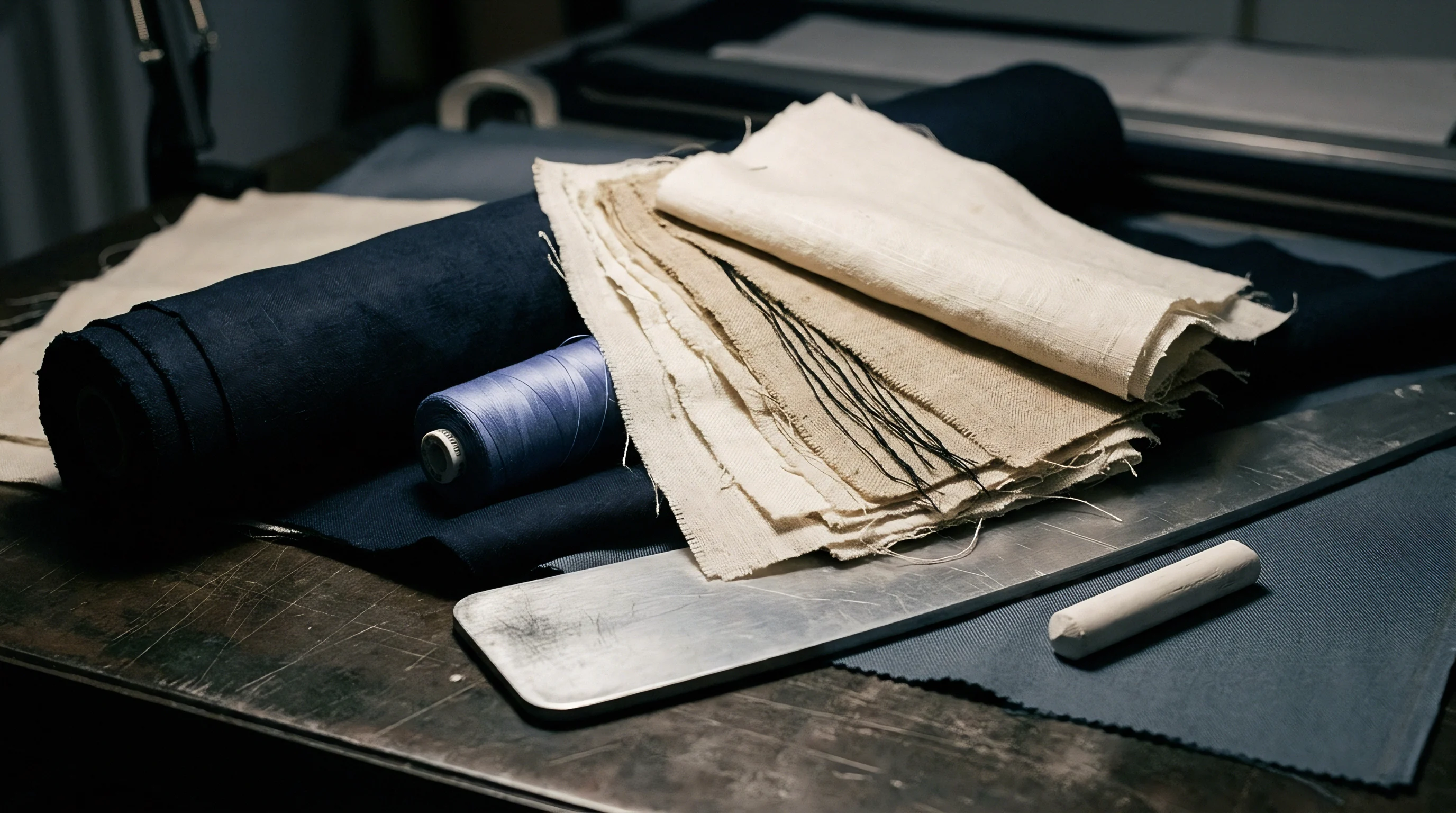
Pre-Test Solvent Extraction Protocols for Yarn and Fabric
Spinning lubricants applied during wet spinning contain emulsifiers and mineral oils designed to reduce fibre-to-metal friction. These additives exhibit significant volatility at standard oven drying temperatures. Skipping solvent extraction leads to mass loss errors that scale directly with finish application rates.
- Spinning Oil Volatilization causes light hydrocarbon chains in synthetic spin finishes to evaporate at standard drying temperatures, causing systematic dry mass underestimation.
- Pectin Pyrolytic Breakdown releases gaseous degradation products during prolonged high-temperature exposure, attributing structural fibre loss to moisture content.
- Residual Solvent Trapping occurs when high-boiling extraction solvents remain trapped within dense fibre lumen networks due to incomplete post-extraction desiccation.
- Lignin Oxidation Mass Addition increases dry specimen weight through ambient oxygen uptake when drying unbleached bast fibres in un-purged heating environments.
Dry weight establishes true value. Failing to account for volatile finish loss leads directly to distorted dry mass figures that inflate commercial billing weights on high-value bast fibre shipments.


Buoyancy
Weighing a hot textile specimen container directly after thermal treatment introduces aerodynamic updrafts and density differentials that alter analytical balance response. Hot air inside an open or partially covered weighing vessel expands, creating a low-density core that generates an upward buoyant force on the scale pan. Convection currents rising along the outer walls of the hot container lift the weighing pan, registering a false mass deficit on precision balance sensors.
Buoyancy distorts warm sample weight.
Transferring hot dried specimens to an analytical balance room without sealed thermal equalization causes severe measurement errors. An open weighing bottle containing ten grams of bone-dry flax fibre placed on a balance pan at 105 degrees Celsius reads up to 15 milligrams lighter than its actual mass due to convective updrafts alone. Hot containers generate convection updrafts.
As the vessel cools on the balance pan, the upward force dissipates, causing the balance reading to drift upward continuously. Testers mistaking this thermal drift for moisture absorption often terminate readings prematurely, capturing incorrect dry weights.
Cooling dried specimens to room temperature inside a sealed glass desiccator prevents both convection errors and atmospheric moisture re-absorption. Desiccants absorb ambient moisture rapidly. Standard desiccators filled with active silica gel or molecular sieves create a low-humidity cooling environment.
Cooling creates a partial vacuum inside tightly stoppered weighing bottles. Opening the stopper inside the balance chamber equalizes internal air pressure, preventing air rush forces from altering the mass reading.

Aerodynamic Updrafts and Density Differential Mechanics
Air density changes inversely with absolute temperature according to ideal gas mechanics. The density of dry air at 20 degrees Celsius is 1.204 kilograms per cubic metre, whereas at 105 degrees Celsius air density drops to 0.932 kilograms per cubic metre. This differential alters the displaced air mass surrounding both the sample container and the internal balance components.
Hot air columns above the balance pan reduce local air pressure, lifting the pan mechanics.
Direct contact between hot vessel bases and metal balance pans transfers thermal energy into the load cell mechanism. Localized heating of strain gauges or electromagnetic force restoration sensors alters internal electronic calibration zero-points. Balance drift induced by conduction heat transfer mimics specimen weight changes, destroying measurement accuracy.
Inserting ceramic insulating pads or allowing complete vessel cooling inside desiccators eliminates conductive thermal distortion.
| Cooling Procedure | Vessel Sealing State | Equilibrium Temp (°C) | Observed Mass Error (%) | Primary Error Mechanism |
|---|---|---|---|---|
| Uncooled (Direct from Oven) | Open Top Container | 105 | -0.15 to -0.35 | Thermal convection updraft |
| Ambient Bench Cooling | Unsealed Lid | 22 | +0.20 to +0.50 | Atmospheric moisture regain |
| Silica Gel Desiccator | Sealed Glass Stopper | 20 | -0.01 to +0.02 | Partial vacuum pressure drop |
| Vacuum Desiccator (P2O5) | Vented Equalized Stopper | 20 | 0.00 to +0.005 | Fully corrected reference state |
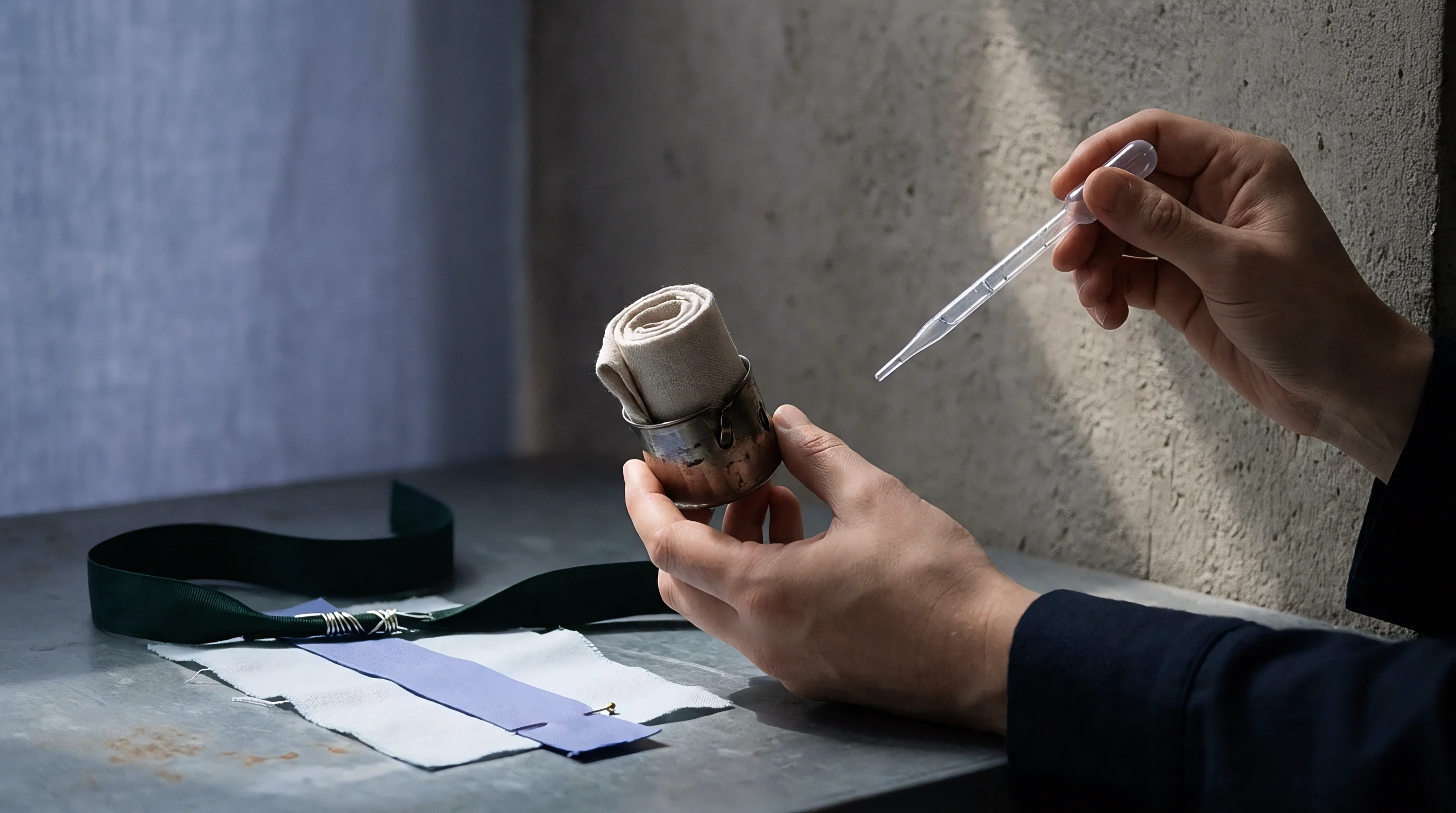
Desiccator Sorption Mechanics during Specimen Cooling
Desiccants maintain low vapor pressure inside cooling chambers, but their water absorption capacity diminishes as they absorb moisture. Spent silica gel turning from blue to pink indicates elevated relative humidity within the cooling enclosure. Bone-dry flax fibre possesses a higher affinity for moisture than partially saturated silica gel.
Under these conditions, the specimen extracts water vapor from the internal desiccator atmosphere during its cooling cycle.
- Desiccant Refresh Schedules require replacing or thermally regenerating silica gel charges weekly to ensure vapor pressure stays below 0.01 millimeters of mercury.
- Vessel Joint Lubrication prevents ambient air ingress through ground-glass desiccator lids using low-vapor-pressure silicone grease sealants.
- Pressure Equalization Protocols dictate opening desiccator side-arm stopcocks slowly to prevent turbulent air currents from disturbing delicate fiber specimens inside open dishes.
- Cooling Duration Limits cap specimen storage inside desiccators at two hours to prevent slow moisture uptake across container seal interfaces.
Cooling specimen containers inside desiccators with active silica gel prevents dry flax fibres from reabsorbing ambient atmospheric moisture during transfer to analytical balances.
Always allow sealed sample containers to attain room temperature equilibrium prior to taking final balance readings.


Titration
Coulometric reagent systems quantify water molecules through iodine oxidation without subjecting plant fibre polymers to thermal decomposition. Chemical extraction methods eliminate thermal degradation errors by operating at room temperature or mild heating conditions inside sealed vessels. Karl Fischer titration provides absolute moisture measurement specific to the water molecule.
Electrochemical generation of iodine reacts quantitatively with water present in the extraction solvent according to the Bunsen reaction equation.
Solvent selection governs moisture extraction efficiency from dense cell-wall structures. Anhydrous methanol dissolves bound cellular water by breaking hydrogen bonds between water molecules and microfibrillar cellulose chains. Methanol dissolves bound cellular water.
For flax fibres containing high wax concentrations, adding formamide or chloroform to the methanol solvent enhances cell-wall penetration and lipid dissolution. Nitrogen gas sweeps moisture away. Heating the extraction vessel to 50 degrees Celsius accelerates internal water diffusion into the solvent without vaporizing structural polysaccharides.
Coulometry measures consumed electrical charge. Measuring water content via Karl Fischer titration establishes a absolute reference baseline for calibrating fast thermal desiccation equipment. Comparing thermal dry mass results against Karl Fischer titration values isolates non-aqueous volatile losses.
If thermal drying yields a higher mass loss percentage than coulometric titration, the difference represents evaporated spin finishes, volatile oils, or thermal decomposition products rather than true moisture content.

Coulometric Extraction Mechanics for Bound Cellulosic Water
Direct volumetric Karl Fischer titration involves injecting liquid extracts into an anolyte solution containing sulfur dioxide, imidazole, and iodine. For solid textile specimens, indirect headspace thermal desorption coupled to a coulometric cell prevents insoluble fibre particles from fouling generator electrodes. Heating the specimen inside a sealed septum vial sweeps released water vapor via dry nitrogen carrier gas into the titration vessel.
Carrier gas dryness dictates background drift rates inside the coulometric cell. Passing nitrogen gas through molecular sieve drying towers reduces baseline moisture drift below two micrograms of water per minute. High background drift masks low-level moisture extraction, causing false dry mass calculations.
Calibrating the titration cell using sodium tartrate dihydrate reference standards verifies quantitative system response prior to specimen analysis.
Karl Fischer coulometry isolates absolute water content without vaporizing organic spin lubricants or thermally decomposing low-temperature pectin fractions.

Which Solvent Systems Extract Moisture without Fibre Extraction?
Pure methanol penetrates amorphous cellulosic regions effectively but fails to dissolve hydrophobic surface waxes. Mixed solvent systems containing 60 percent methanol, 30 percent formamide, and 10 percent decanol penetrate both lipid surface layers and internal microfibrillar pores. Formamide swells cellulosic cell walls, accelerating the release of deeply trapped structural water into the titration medium.
- Weigh an exact two-gram specimen aliquot into a septum-sealed headspace vial inside a controlled glovebox environment.
- Heat the vial to 120 degrees Celsius inside a thermal desorption oven while sweeping dry nitrogen carrier gas through the liquid extraction cell.
- Inject the moisture-laden carrier gas directly into the anode compartment of the coulometric cell containing pyridine-free Karl Fischer reagent.
- Record the integrated electrolytic current until moisture generation drops below 0.1 micrograms per second.
- Calculate absolute water mass by dividing total consumed electrical charge by Faraday’s constant.
| Methodology | Measurement Principle | Selectivity for H2O | Thermal Stress Level | Analysis Time per Sample |
|---|---|---|---|---|
| Forced-Air Oven Drying | Gravimetric Mass Loss | Non-Specific (Measures all volatiles) | High (105°C for 2–4 hours) | 120 to 240 minutes |
| Karl Fischer Coulometry | Electrochemical Oxidation | Absolute (Specific to water molecule) | None to Moderate (20°C to 120°C) | 10 to 20 minutes |
| Microwave Thermal Analysis | Dielectric Heating Mass Loss | Low (Evaporates polar solvents) | Extreme (Localized micro-hotspots) | 5 to 15 minutes |
| Vacuum Desiccation (P2O5) | Isothermal Vapor Pressure Drop | High (Minimal volatile loss) | None (Ambient room temperature) | 48 to 72 hours |
Mill representatives frequently argue that residual finish losses fall within acceptable testing error tolerances when thermal desorption yields lower dry masses than wet titration.

Ledger
Cross-border trade of flax yarn and greige fabric relies on standardized calculations that convert absolute dry mass into commercial invoice weight using fixed moisture regain percentages. Raw flax, scoured yarn, and finished linen cloth attract different official regain allowances defined in standard ISO 2060. The standard commercial regain for wet-spun flax yarn stands at 12.0 percent, whereas raw scutched flax fibre carries an official regain allowance of 13.0 percent.
Moisture regain alters commercial mass.
Invoicing errors scale directly with dry weight inaccuracies. Commercial weight equals true dry mass multiplied by one plus the official fractional regain allowance. If a laboratory understates true dry mass by 0.5 percent due to improper cooling or un-scoured finish volatilization, the calculated commercial invoice weight drops by that exact proportion across the entire shipment consignment.
On a 40-tonne contract of high-count linen yarn, a 0.5 percent dry mass error alters billed weight by 200 kilograms, shifting landed contract value by thousands of Euros.
Audit verification requires matching weighbridge scale tickets against certified laboratory dry mass test reports. Mill-declared shipping weights frequently incorporate unmeasured ambient moisture picked up during storage in humid port warehouses. Importers audit incoming shipments by sampling bales according to ISO 2859 acceptance sampling protocols, subjecting core samples to immediate oven desiccation and solvent scouring.
Trade mass governs invoice settlement.
Standard Regain Allocations across Bast Fibre Processing Stages
Processing steps alter fibre morphology and chemical composition, changing the equilibrium moisture absorption capacity of the material. Unbleached flax fibre retains natural pectins that absorb more water than pure scoured cellulose. Bleaching and caustic scouring remove amorphous polysaccharides, reducing the natural regain potential of the finished fabric.
Commercial contracts specify whether billing calculations use oven-dry mass plus standard regain or oven-dry mass plus actual finish mass plus standard regain. Clarifying whether finish weight forms part of the commercial mass calculation prevents billing disputes between yarn spinners and weaving mills. Standard regain tables published by international trade bodies form the legal basis for resolving customs valuation challenges.
Worked Commercial Settlement for a Forty-Tonne Flax Consignment
Assume a commercial shipment of wet-spun flax yarn with a declared gross consignment weight of 40,000 kilograms at a contract unit price of 14.50 EUR per kilogram. Contract terms stipulate settlement based on ISO 2060 commercial mass using an official standard moisture regain of 12.0 percent. Solvent extraction and thermal desiccation testing of representative core samples establish an actual dry mass fraction of 87.20 percent instead of the nominal 89.29 percent expected for yarn delivered at standard regain.
Calculating true dry mass yields 40,000 kilograms multiplied by 0.8720, equaling 34,880 kilograms of absolute dry fibre. Applying the official 12.0 percent standard regain factor converts this dry mass into a corrected commercial settlement mass: 34,880 kilograms multiplied by 1.120, yielding exactly 39,065.60 kilograms. The corrected invoice value totals 39,065.60 kilograms multiplied by 14.50 EUR per kilogram, resulting in 566,451.20 EUR.
Settling against the original declared weight of 40,000 kilograms would have resulted in an overpayment of 13,548.80 EUR for un-delivered fibre mass.
Incorporating ISO 2060 Clause 8 into purchasing contracts establishes that billed weights calculate strictly from oven-dry mass plus official standard regain.