Surface Retention
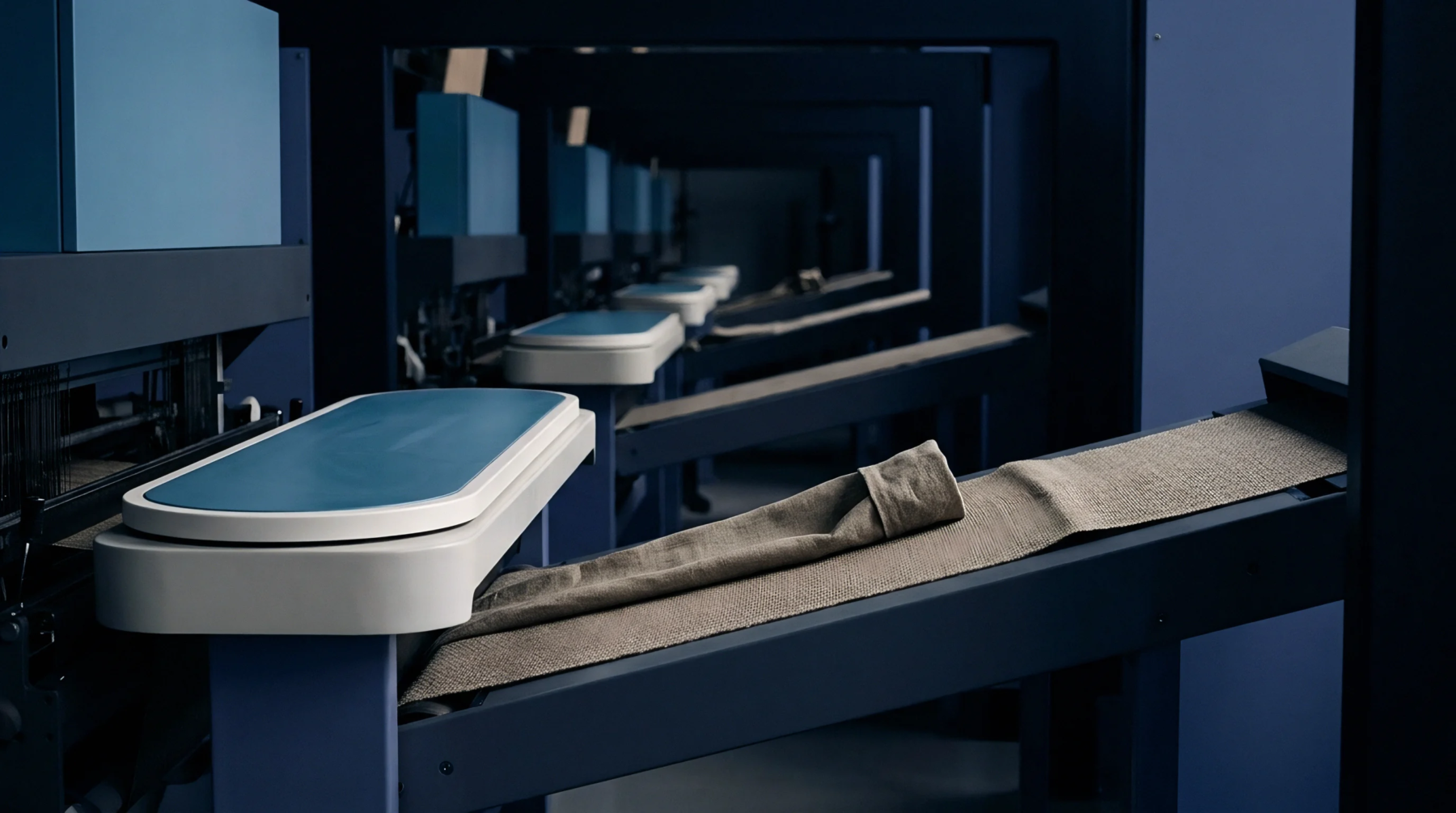
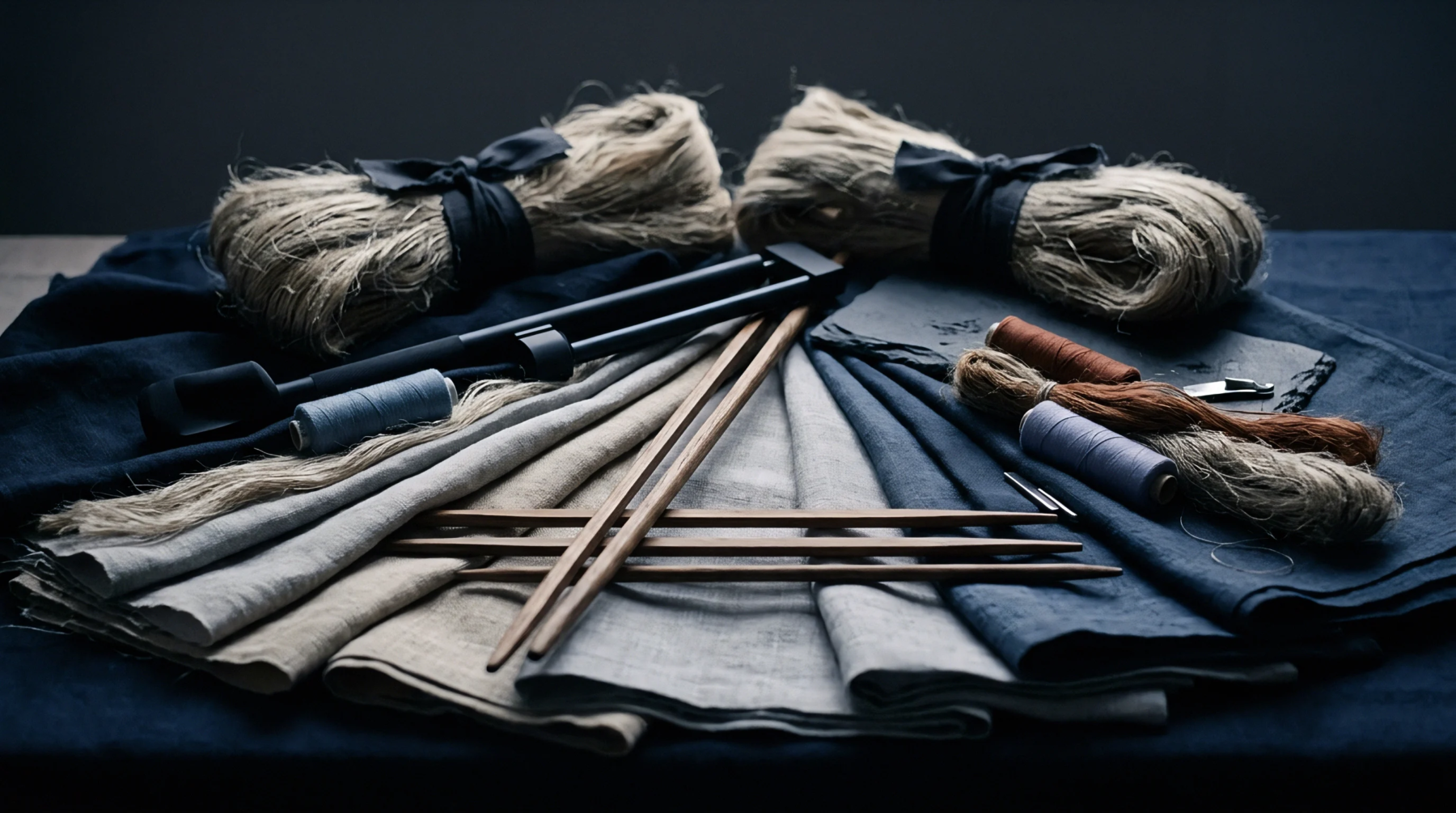
Plant lipids naturally form epicuticular wax on the outer boundary of flax stems during late maturation in the field. Agronomic conditions dictate the density of this protective barrier before harvest begins in Chinese agricultural provinces. Mechanical scutching removes most bulk debris, yet residual lipophilic compounds remain bound to the technical fibres entering the spinning mill.
High extraction yields complicate wet spinning stages because hydrophobic residues repel moisture during boiling and enzymatic treatment.
Thermal Defect
Chemical reactions during subsequent alkali scouring target these stubborn surface films to ensure uniform dye penetration in finished woven textiles. Residual lipid layers prevent reactive dyestuff molecules from bonding properly with cellulose hydroxyl groups, causing mottled shades across the cloth face. Mill inspectors record these absorption failures in daily batch reports alongside tenacity measurements and elongation rates.
High-temperature scouring baths dissolve the remaining aliphatic alcohols and primary alcohols, rendering the material hydrophilic for subsequent processing steps.
Export Parameter
Commercial grading protocols for finished linen fabric measure residual solvent extractables to confirm that processing lines removed the organic coating thoroughly. Buyers specify maximum allowable wax percentages in purchase contracts before shipments leave the port for international markets. Laboratory technicians use Soxhlet extraction methods with organic solvents to quantify the exact lipid content remaining on dried yarn samples.
Exact compliance with these threshold limits protects exporters from financial penalties and secures the structural integrity of luxury apparel exports.