Solvent Classification
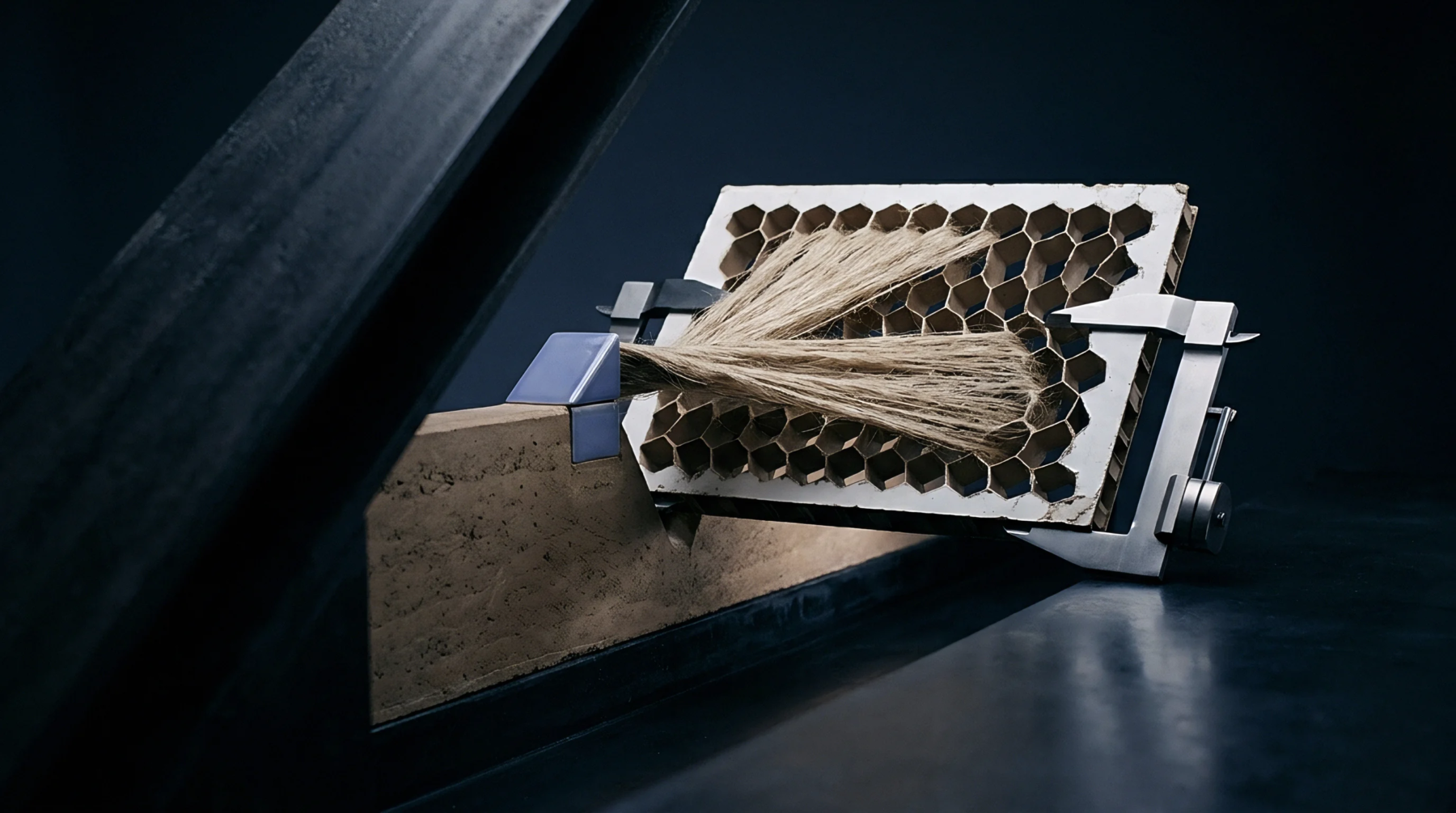
Chemical processing employs dichloromethane as a primary agent for the removal of waxes and natural impurities from raw flax fibres. This volatile organochlorine liquid effectively dissolves oils without damaging the cellulosic structure of the plant material. The compound operates through rapid evaporation and low boiling points that allow for efficient recovery during industrial cleaning cycles.
Verification of residual trace amounts remains a standard requirement during the final finishing stages of linen production.
Extraction Procedure
Production lines utilize this substance to prepare flax roving for consistent spin quality by stripping away pectins that hinder yarn formation. Technicians monitor air quality within closed loops to ensure that concentrations stay below established safety limits for human exposure. Each batch requires rigorous testing to confirm that the fibre surface retains no oily films which might prevent uniform dye penetration later in the manufacturing sequence.
Automated sensors provide real-time monitoring of atmospheric levels near the scouring tanks to detect leaks or containment failures in the ventilation systems. The process depends on high purity levels to prevent contamination of the white fibres destined for fine garment manufacturing.
Regulatory Boundary
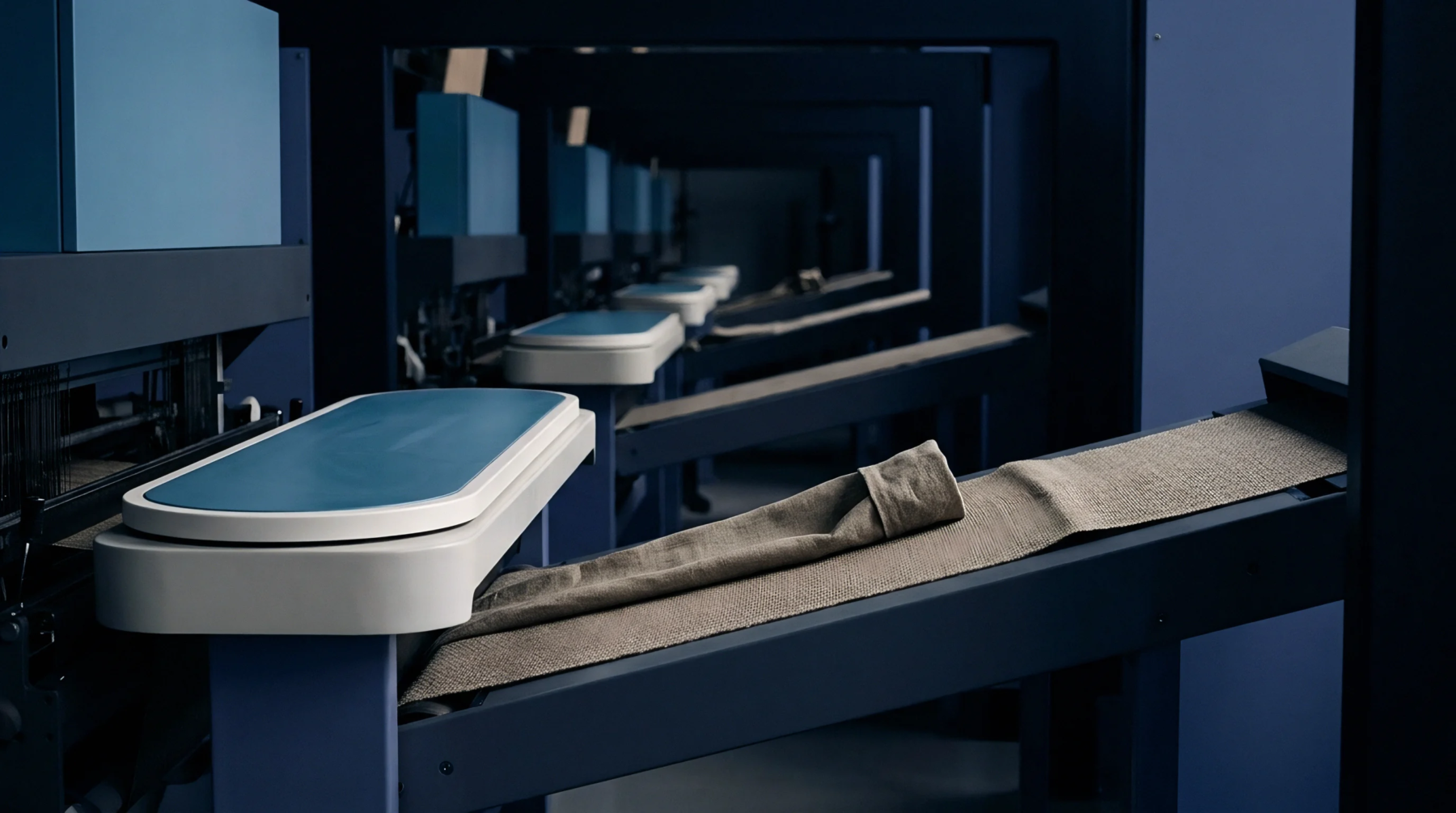
Compliance standards dictate that finished textile products must fall under strict threshold values for any chlorinated residue remaining from the initial scouring phase. Textile auditors compare these analytical results against global environmental directives to validate that the material meets safety certificates for consumer contact. Laboratory personnel perform mass spectrometry on random samples drawn from the export shipment to quantify the exact weight of remaining molecules per kilogram of dry cloth.
These measurements determine the acceptance of the entire lot during final quality assurance inspections before the goods clear customs for international trade. Any detection exceeding the permissible limit forces a complete rejection of the batch regardless of the visual appearance or mechanical strength of the linen fabric.