Liquid Friction
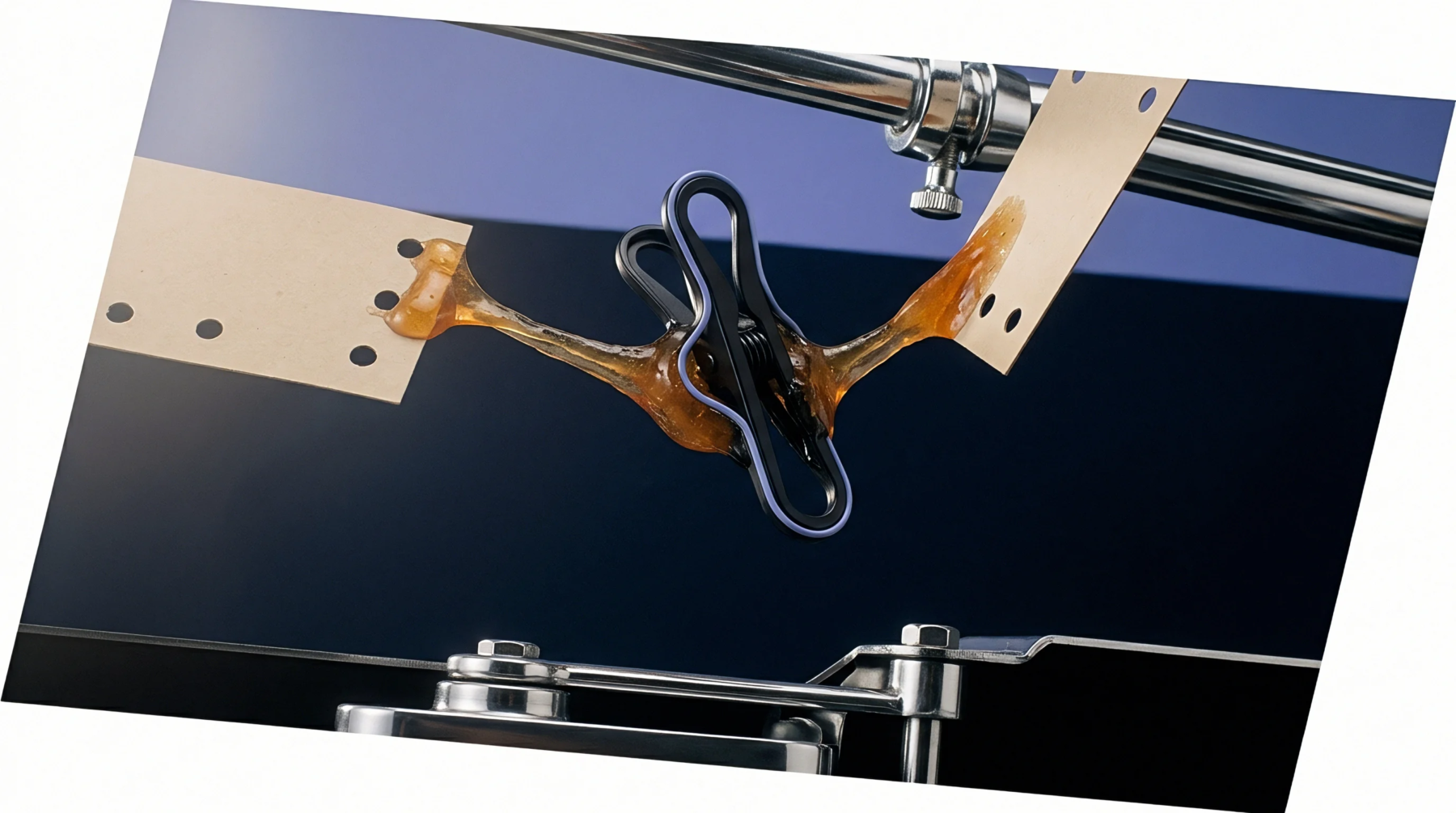
Viscoelastic shear describes the physical reaction of a sizing agent when moving across wet flax fibres during mechanical high speed application. It quantifies the internal resistance to deformation as the polymer coating stretches and recovers against the pull of rotating rollers. This property governs the transfer efficiency of the size film onto the substrate before drying occurs.
The measurement stops at the transition point where fluid flow becomes purely viscous and the elastic storage energy dissipates. Process technicians record this value on the technical data sheet to ensure the sizing film remains uniform. Variations here directly dictate the stability of the fibre surface during the subsequent high tension spinning phase.
Flow Resistance
Friction inside the polymer matrix depends on the concentration of starch or polyvinyl alcohol molecules within the sizing vat. Viscoelastic shear occurs as the size bath moves between the applicator roll and the squeeze roll at the finishing stage of production. High tension causes the molecules to align along the axis of movement while the elastic component resists permanent displacement.
A low value suggests that the fluid lacks the internal cohesion required to coat the flax fibre evenly at commercial speeds. Manufacturers set a limit for this parameter to prevent thin spots on the yarn which lead to breakages during loom operation. The buyer verifies this metric against the agreed material specification to confirm the sizing bath holds the integrity demanded for consistent export quality.
Correct tuning of this variable minimizes the risk of friction induced damage to the delicate flax structure.
Material Tolerance
Mill standards define the acceptable range for this resistance value to maintain the quality of the final woven fabric. Acceptance criteria for flax yarn rely on the consistency of the coating film thickness across every batch delivered to the looms. A difference exists between the internal mill target and the buyer requirement for external certification of strength.
The former dictates the operational settings for the application rollers while the latter provides the proof of product grade for shipping documents. Laboratory testing confirms the physical response of the sizing agent under simulated production pressures. Precise control of this reaction reduces the variation in yarn friction which prevents uneven dye uptake in the finishing hall.
The capacity to withstand these forces determines the physical durability of the finished linen product.