Fibre Extraction
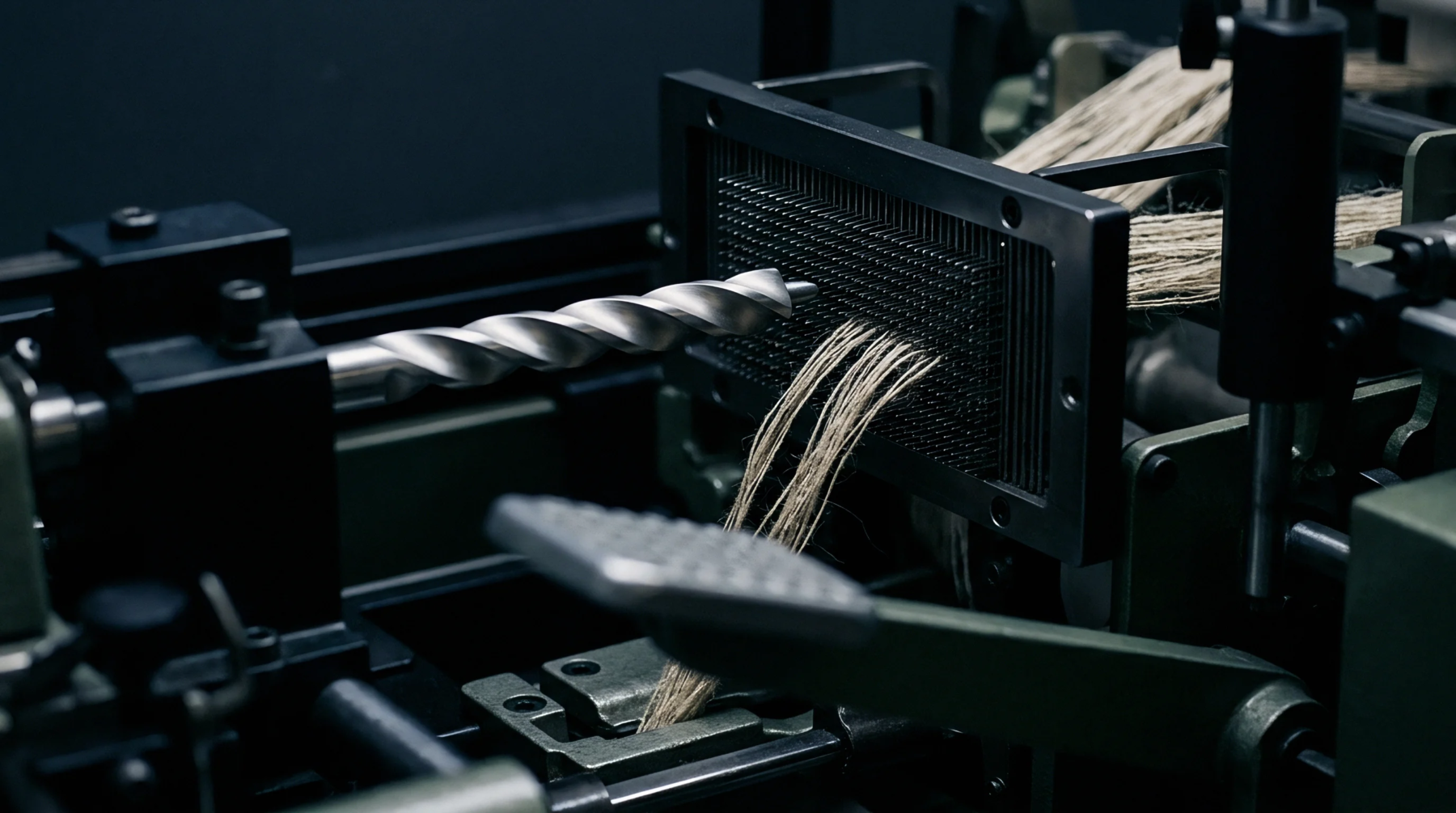
Systematic penetration of a packed bale yields a representative vertical column of raw material for quality assessment. This core sampling process provides a cross section of the contents from the exterior wrapper to the innermost center. Inspectors use hollow steel probes to extract these specimens without disturbing the structural integrity of the compressed mass.
Laboratory technicians then analyze the length and fineness of the removed material to determine the grade of the entire shipment. Proper extraction requires multiple insertions at specific depths to account for uneven packing during the initial baling phase.
Laboratory Verification
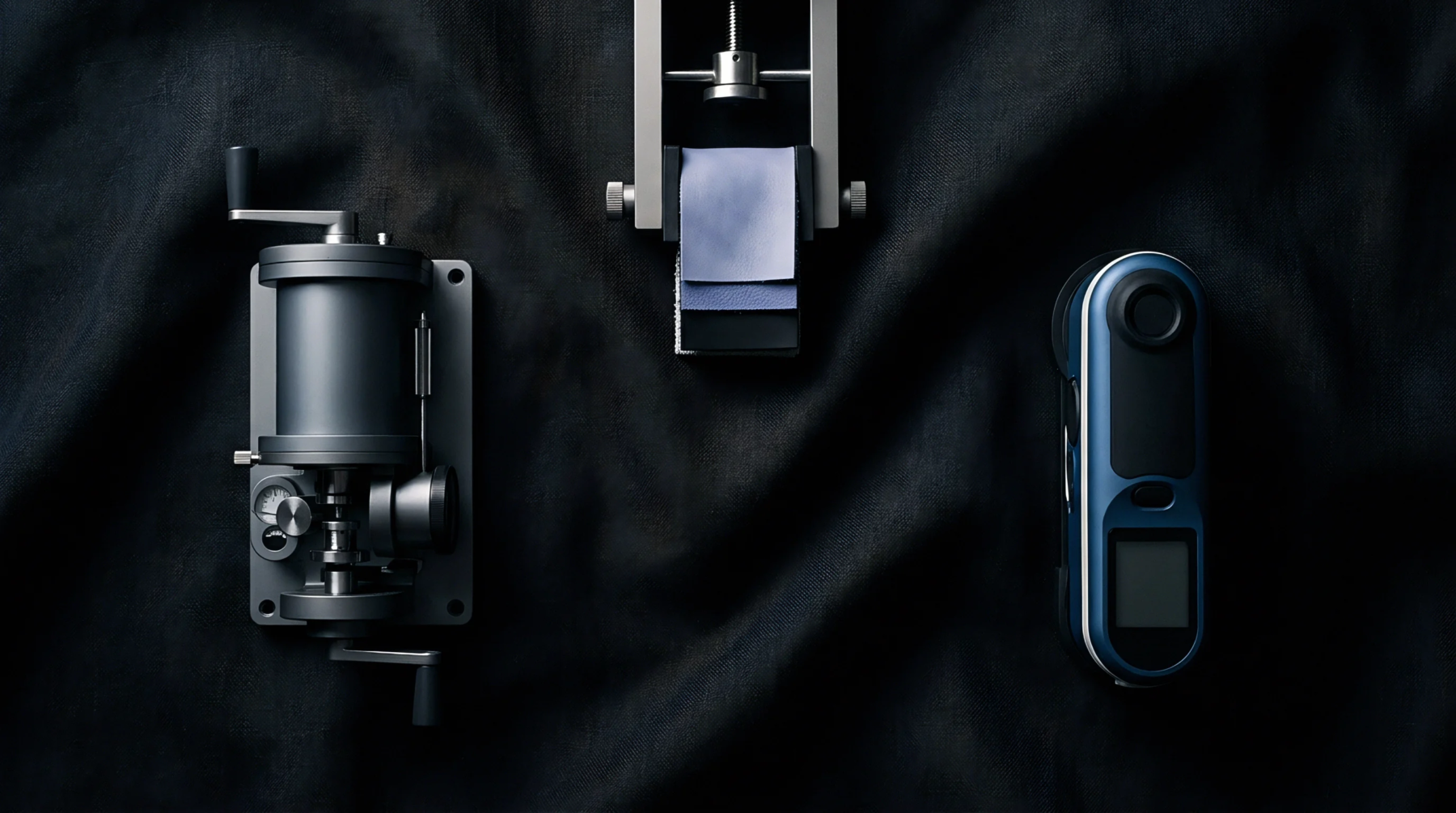
Quantitative analysis of the retrieved specimens determines whether a batch meets the technical specifications of a spinning mill. Each extracted fragment undergoes mechanical testing to measure the mean fibre length and the presence of trash content. Technicians compare these results against the contractual requirements stipulated in the letter of credit or the purchase agreement.
Discrepancies between the sample findings and the certificate of origin indicate a need for further appraisal or a price adjustment. A single probe insertion provides insufficient data for certifying large consignments because natural variation occurs across every field harvest.
Procurement Documentation
Records of these testing procedures reside within the quality control log for each incoming shipment of flax. Warehouse managers append the results of each inspection to the digital inventory entry for the specific batch identified by the producer. Buyers rely on this data to calibrate their spinning machinery and to plan the finishing parameters for woven linen goods.
Precise documentation of the findings establishes a legal baseline for settling claims related to inconsistent quality across different delivery lots. A consistent application of this methodology prevents disputes during the transition from fibre supply to final fabric production.