Variation Measure
The coefficient of variation in the linear density of spun yarn represents the standard measure of thickness uniformity over a given length. Monitoring the yarn count Uster CV enables quality control teams to assess the consistency of the spinning and drafting operations. This metric measures the percentage deviation in yarn count across a series of tested yarn packages.
A low variation coefficient indicates a highly uniform yarn that produces a smooth fabric with minimal surface defects.
Measurement Process
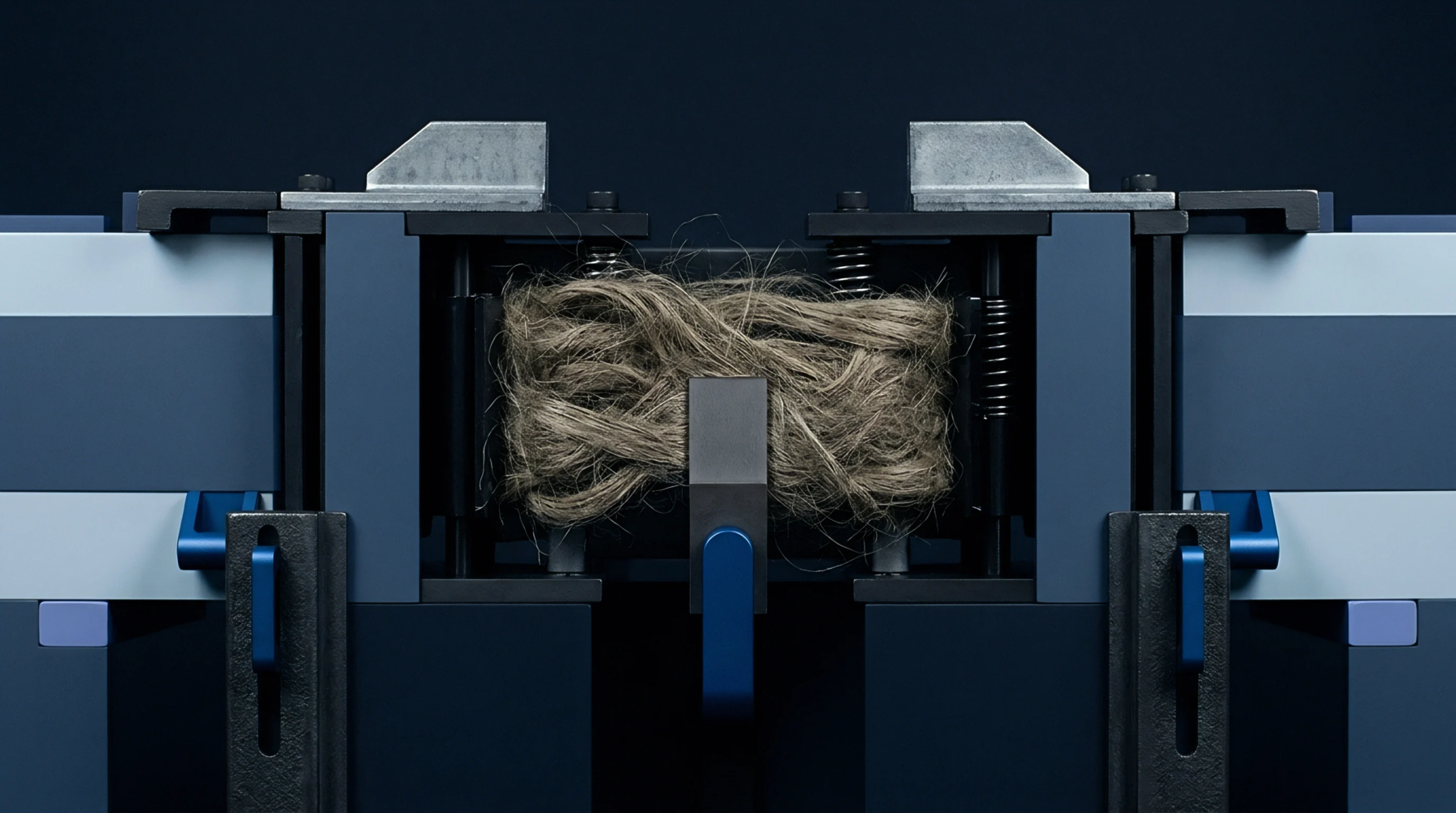
Technicians execute this measurement by running yarn samples through an electronic capacitance tester that registers changes in mass per unit length. The yarn passes through a sensor gap at a constant speed, and the instrument records the fluctuations in electrical capacitance. These signals are converted into a percentage coefficient of variation that is recorded in the mill’s laboratory database.
If the roving frame is not aligned, the yarn count Uster CV rises, which indicates that the yarn has a high number of thin and thick spots. This data guides the mechanical adjustments of the spinning frames to maintain yarn quality.
Downstream Performance
High variation in the yarn count impairs the efficiency of subsequent weaving and dyeing processes. Weavers face more frequent yarn breakages on the loom when the yarn has high count variation, which reduces productivity. This measurement is included in the yarn test report to certify that the shipment meets the buyer’s quality standards.