Fiber Specimen
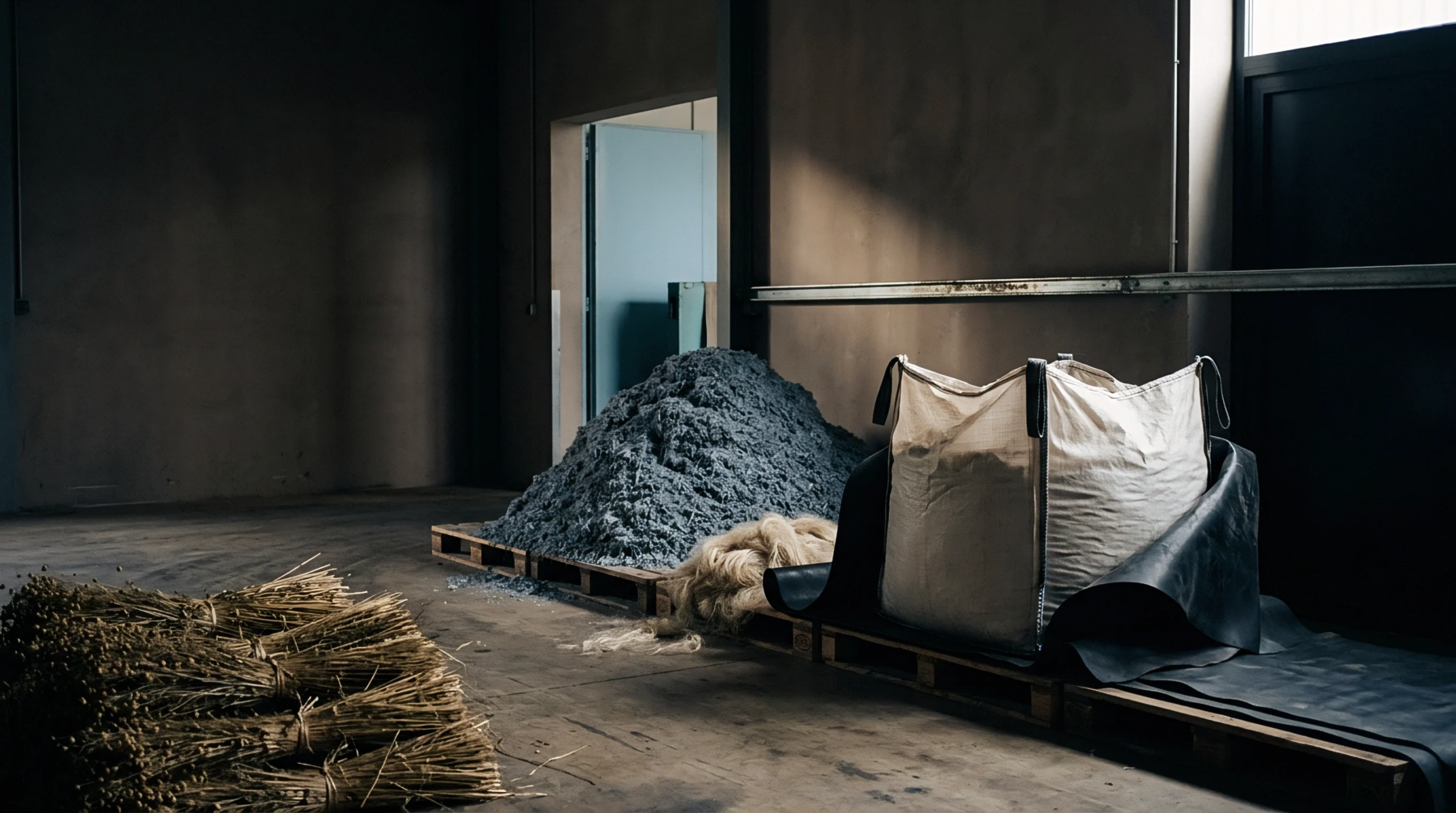
Cold climate agricultural raw material yields the botanical bast Heilongjiang Flax for northern spinning mills that convert raw stems into fine yarns. Northern latitude growing seasons produce longer bast stems with fewer branching nodes, supplying the spinning floor with uniform technical fibers. Mechanical scutting machines process dried stalks to separate wooden cores from flexible strands before classification begins.
Agricultural cooperatives bundle retted stems according to length and tensile strength measurements recorded on official mill intake ledgers. Laboratories determine cellulose content by dissolving pectin samples in alkaline solutions. Water temperature during dew retting influences fungal action on plant walls.
Operators grade each harvested lot by measuring average fiber length and breaking tenacity under controlled humidity. Buyer acceptance criteria differ from internal mill standards because trading partners demand specific moisture regain limits before signing purchase contracts.
Yarn Lot
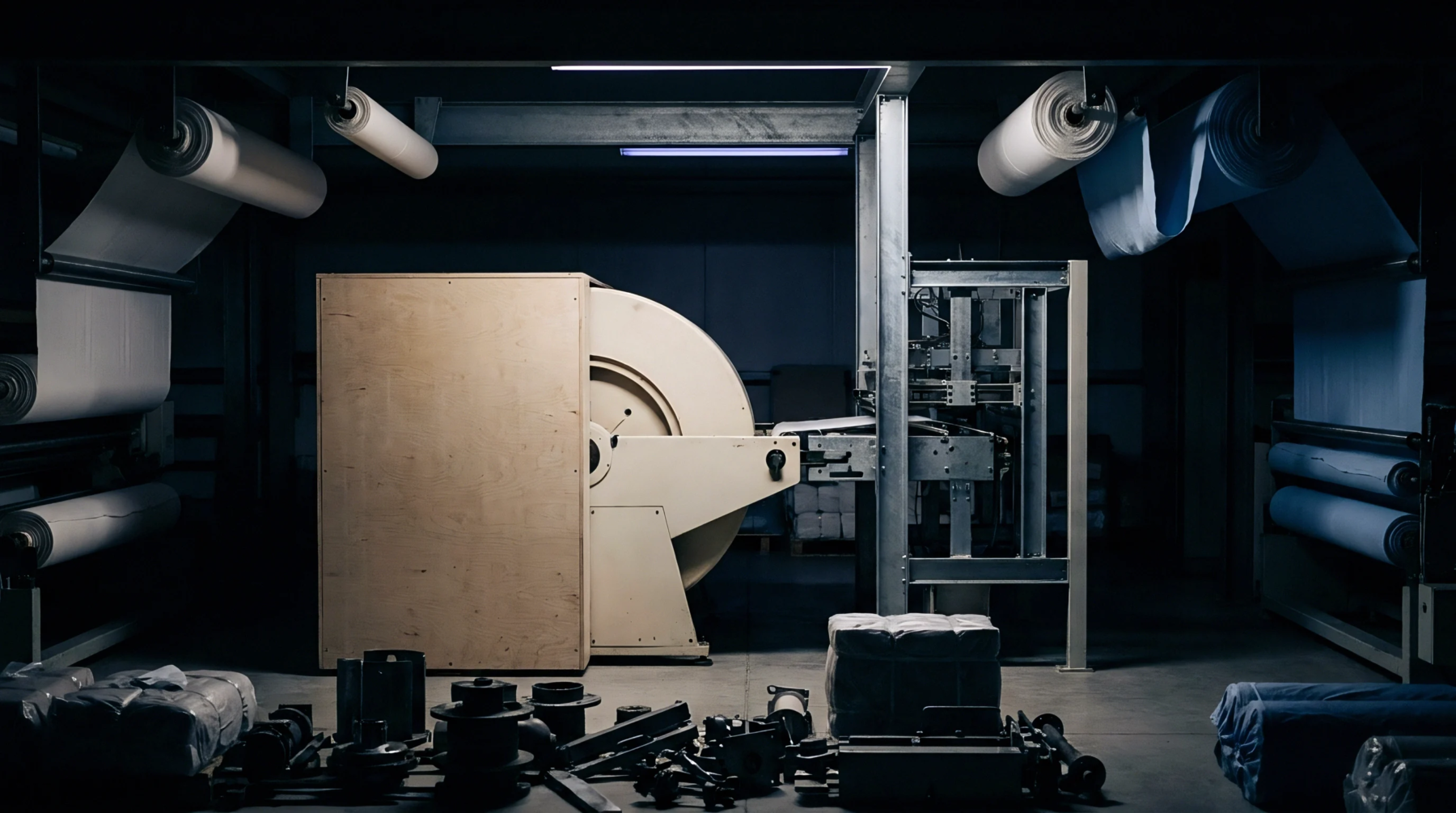
Subsequent spinning operations transform raw bast into continuous textile strands through a sequence of mechanical drafting and wet spinning frames. Carding machines align individual filaments into parallel webs before drawing frames combine several slivers to equalize linear mass density. Spinning technicians monitor twist per meter values to ensure adequate tensile strength during subsequent high speed weaving processes.
Wet spinning methods soften residual plant gums to draw finer yarns from lower grade agricultural lots. Factory inspectors record yarn irregularity percentages on quality control certificates accompanying each dispatch to downstream weaving mills. Mill standards require constant relative humidity inside spinning sheds to prevent electrostatic buildup among dry cellulose filaments.
High twist rates increase yarn torque while reducing surface hairiness on finished spools.
Cloth Standard
Finished textile manufacturing merges spun yarns into durable woven goods through systematic warp preparation and loom insertion steps. Weaving operators size warp threads with starch solutions to withstand mechanical friction during high speed shuttle passages through shedding harnesses. Bleaching vats remove natural lignins from woven cloth to prepare fabric surfaces for reactive dyeing treatments.
Export inspectors evaluate finished linen bolts for thread count density and dimensional stability after washing cycles. Fabric grade classifications depend entirely upon surface flaw counts per hundred linear meters rather than raw fiber provenance. Commercial agreements specify maximum allowable shrinkage rates following industrial laundering procedures.
Final inspection reports detail bursting strength figures alongside color fastness ratings before merchants pack bolts for global distribution.