Compression Standard
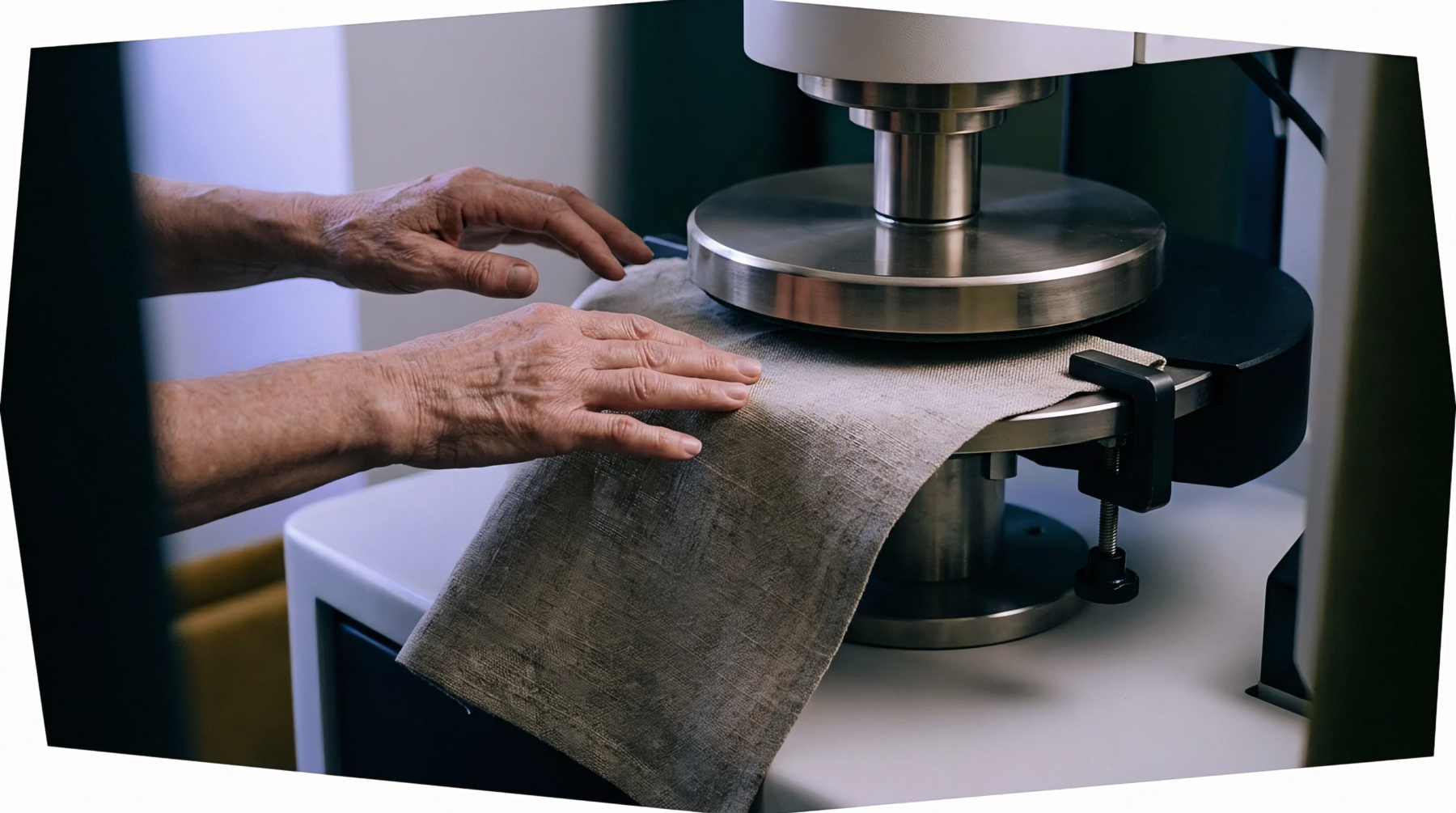
Industrial hydraulic presses pack processed flax fibre into compact block formats to optimize maritime container space. This dense packaging method produces a high density bale that is secured by heavy-gauge steel wires to maintain its shape under high pressure. The dimensions and density of each bundle are calculated to maximize the loading weight of standard shipping containers.
Export Logistics
Packaging of the processed scutching line flax occurs at the final stage of the mill production line. Each high density bale receives a unique barcode label and is entered into the export shipping manifest. While mill guidelines aim to maximize transport efficiency, the buyer’s acceptance criteria require that the moisture content before compression be strictly below twelve percent to prevent internal mould growth during transit.
Processing Impact
Mill workers must use mechanical bale breakers to loosen the highly compressed fibres before the drawing and carding processes can begin. If the fibres are compressed too tightly, the mechanical strain during opening can break the long flax strands and reduce the spinning quality of the batch. The pressure levels during baling must be carefully regulated to balance the savings in freight costs against the risk of fibre damage during processing.