Material Evaluation
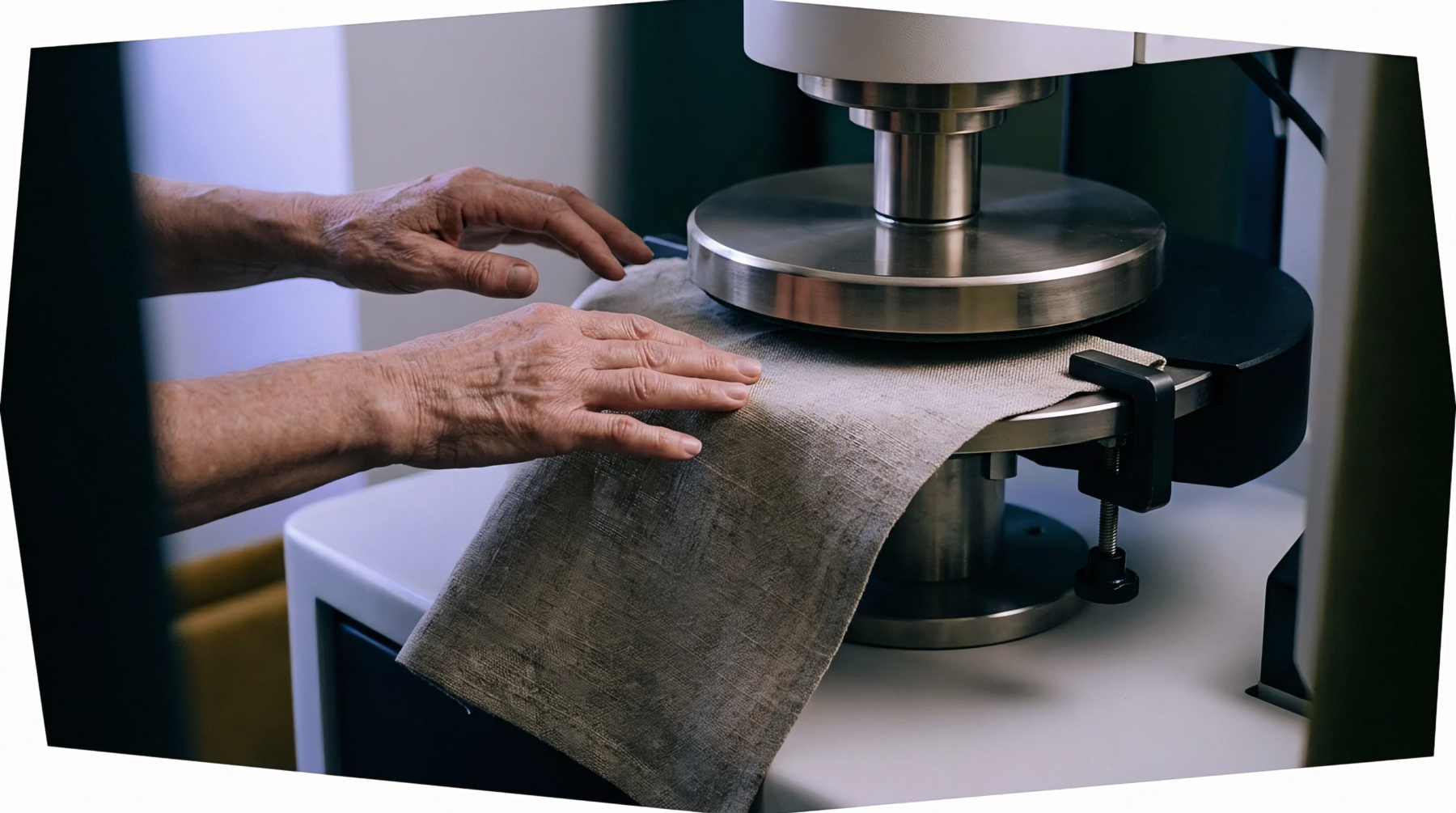
Standardized agronomic and mechanical inspections assess the physical properties of harvested bast straw before industrial processing. This initial assessment, known as raw flax testing, determines the moisture content, fibre yield and scutching resistance of each harvested lot. Accurate testing at this early stage prevents the processing of sub-standard crops that would damage the combing and spinning machinery.
Receiving Inspection
Evaluation of the raw material occurs at the mill’s intake dock when the straw bundles arrive from the agricultural cooperatives. Technicians record the results of the raw flax testing on the incoming material inspection report. While the mill’s processing limits focus on machinery safety, the buyer’s acceptance criteria demand that the raw fibre strength must meet specific tensile thresholds to ensure the yarn will not break during high-speed weaving.
Production Control
Spinners use the test data to adjust the settings of the scutching blades and the temperature of the retting baths. When the flax exhibits low maturity, the retting time must be extended to facilitate the separation of the fibre bundles from the woody stem. Daily calibrations of the tensile testers are conducted to ensure that the measurement data remain consistent across different harvest seasons.
Systematic raw flax testing is therefore essential for maintaining processing efficiency and ensuring a stable yarn quality.