Mechanical Stress
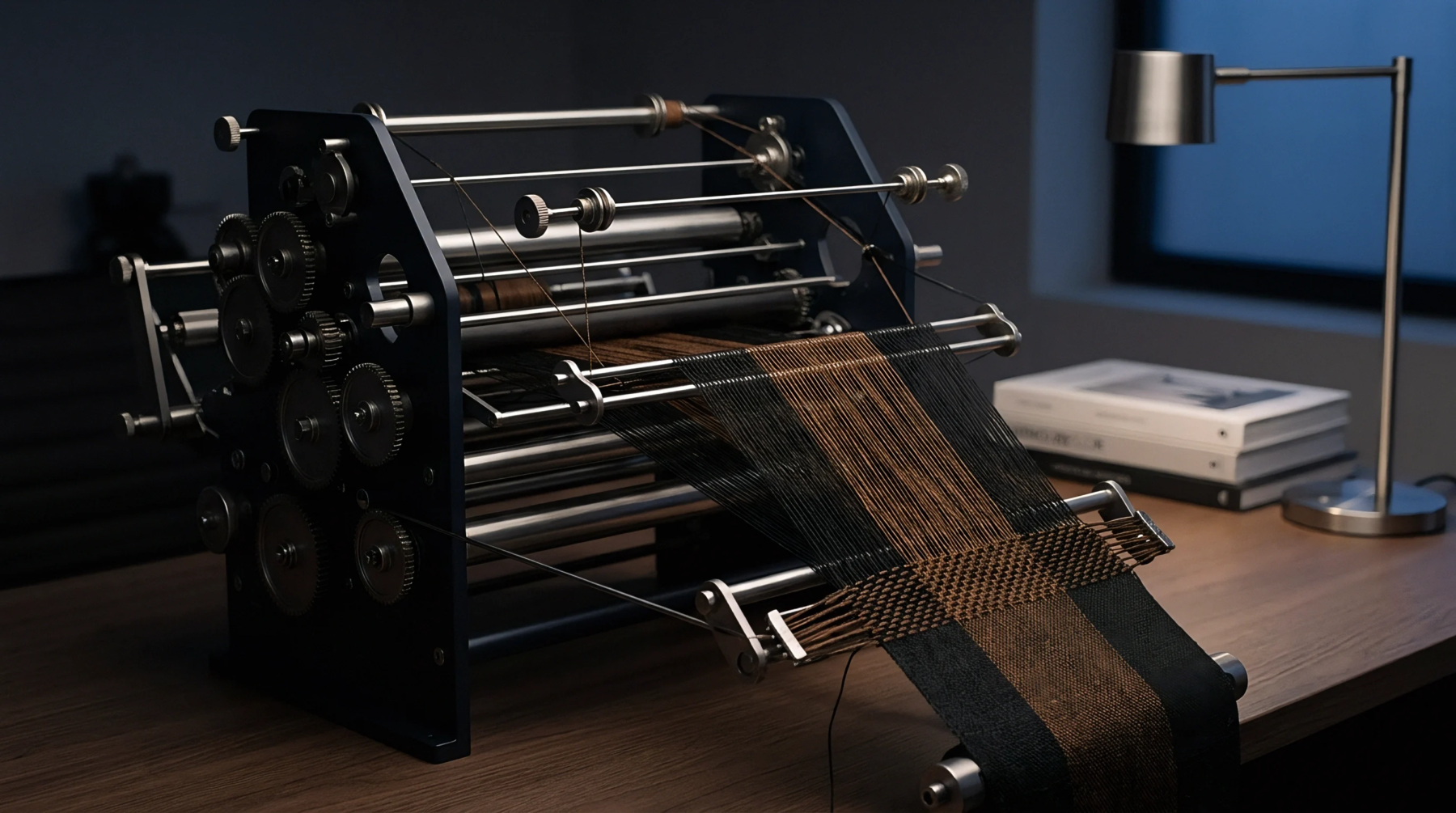
Repetitive force application occurs when machinery components undergo repeated periods of tension and compression during high-speed textile manufacturing. Cyclic loading generates internal friction within the molecular structure of flax fibers as these segments encounter sustained oscillation during the drawing and spinning stages of production. Precise calibration of tension control systems prevents premature fatigue within the natural strands, which possess distinct thresholds for elastic recovery.
This phenomenon influences the structural integrity of the yarn because the frequency of these repeated pulses alters the alignment of the cellulose chain.
Fibre Fatigue
Permanent deformation arises when the intensity of the repeat cycles exceeds the resilient capacity of the flax harvest. Laboratory testing protocols quantify the endurance limits of long-line flax by applying known force values until the material displays signs of structural failure or loss of elasticity. Inspectors monitor the breaking point of individual strands under these conditions to ensure that the material withstands the mechanical rigor of high-speed industrial looms without snapping.
Consistency in the density of the fiber bundle minimizes the likelihood of internal friction causing heat accumulation during the continuous processing of the raw material.
Process Validation
Acceptance criteria for exported yarn rely upon the ability of the material to maintain its tensile properties after exposure to specific cycle counts during the finishing stage. Buyers utilize these metrics to determine if the batch satisfies the mechanical durability requirements established in the original contract for finished linen cloth. Accurate records of machine settings provide an audit trail for the frequency and duration of forces applied during production, which guarantees that the linen meets commercial expectations for longevity and performance in subsequent applications.
Proper management of the kinetic energy imparted by industrial rollers confirms that the finished goods preserve their fiber strength throughout the supply chain.