Sample Preparation
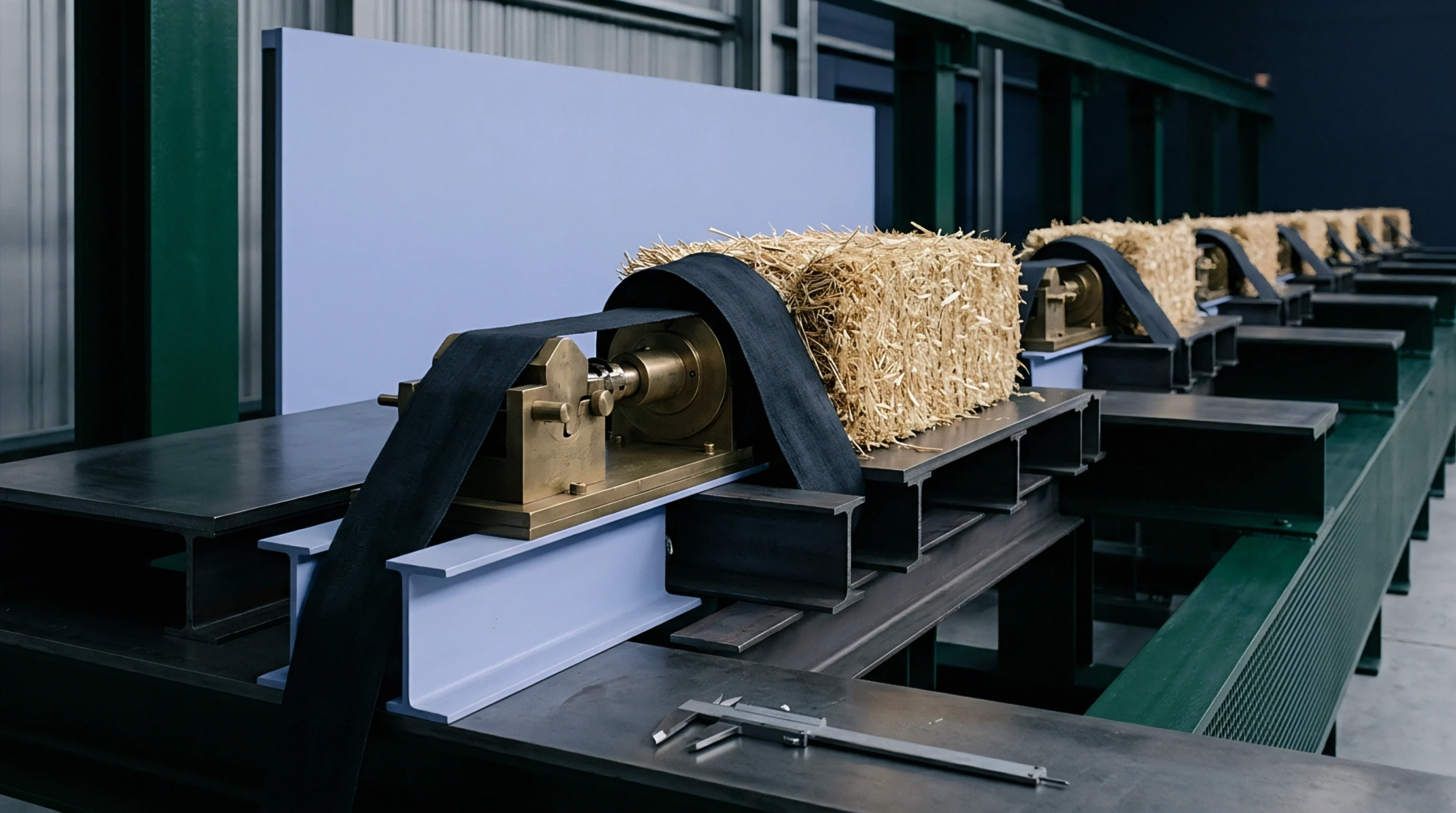
The process of exposing textile samples to a standardized atmosphere with controlled temperature and humidity for a specified duration ensures that all fibers reach moisture equilibrium before testing. This essential laboratory step is called specimen conditioning, and it is particularly critical for moisture-sensitive natural fibers like flax. Since the physical properties of linen vary with water content, standardized conditioning makes testing results comparable across different batches and mills.
Most global buyers require tests to be performed under these strict climate conditions.
Testing Standard
To execute this step, samples are placed in a conditioning room maintained at twenty degrees Celsius and sixty-five percent relative humidity. For linen fabric and yarn, a minimum of twenty-four hours is required for the fibers to fully adjust to the atmosphere. If the laboratory fails to perform specimen conditioning, the measured yarn tenacity and fabric weight will be highly inaccurate, as wet linen is stronger than dry linen.
This moisture sensitivity means that unconditioned tests can lead to incorrect grading and undeserved batch rejections. Quality control managers check the logbooks of the environmental chambers daily to verify that the standard conditions have been maintained. This verification ensures the integrity of the exported product’s data sheets.
Mill Measurement
International buyer acceptance criteria always specify the conditioning standard used during compliance testing. Proper specimen conditioning eliminates seasonal humidity variations as a source of measurement error in Chinese linen mills. This practice allows the mill’s lab to produce certified reports that are accepted by European apparel brands.
It is the foundation of reliable quality assurance in textile trading.