Mass Yield
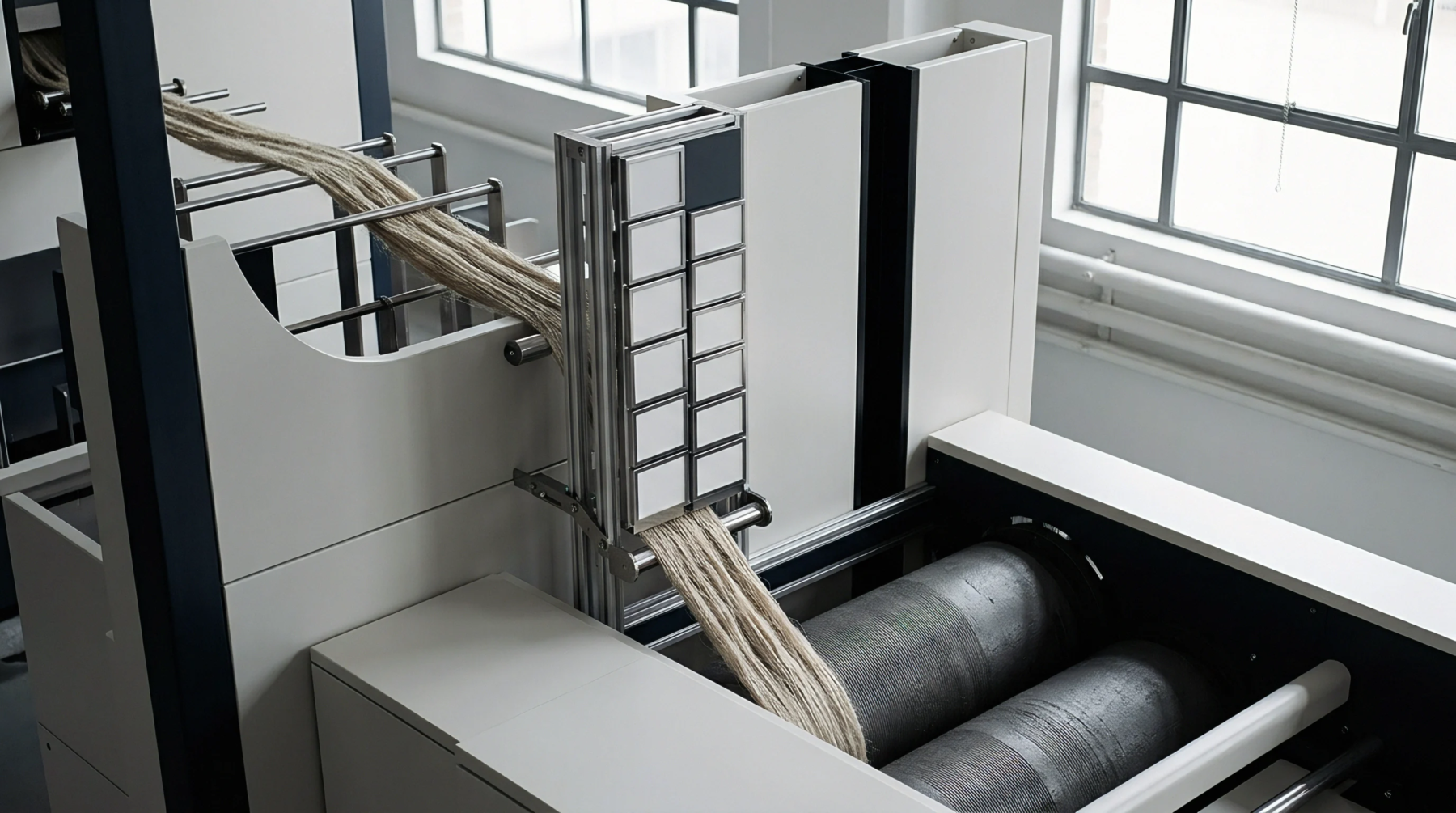
Quantitative mass calculations evaluate the proportional output of finished fiber or yarn generated from a specific intake of raw material. In flax spinning mills, the conversion ratio measures the percentage of hackled line flax or scutched tow successfully transformed into spun yarn. Daily shift ledgers track this value to monitor material utilization across hackling and wet spinning departments.
Fiber Transformation
Mechanical processing removes non-textile components including shive particles and short fiber dust, which reduces total throughput mass at each production stage. A high conversion ratio indicates minimal fiber loss during carding and drafting, resulting from precise mechanical settings and high-grade raw flax input. Variations in fiber retting quality directly impact the achievable conversion ratio, as poorly retted straw yields higher waste volumes during scutching and combing.
Mill managers compare raw flax lot certifications against final conversion ratio logs to verify supplier quality claims and optimize batch allocations.
Financial Recovery
Mill cost accounting relies on transformation metrics to establish accurate unit production costs for export yarn shipments. When raw flax prices fluctuate, small adjustments in the conversion ratio directly alter the profitability of high-count linen yarn orders. By-product sales of short fiber waste and shive materials partially offset raw fiber costs but deliver far lower revenue than primary yarn output.