Hydrodynamic Drag Optimization in Fine Line Flax Wet Spinning Frames
Optimizing wet spinning trough fluid drag through 72°C temperature control and surfactant addition reduces drafting tension, lowering fine yarn breaks.


Fluid
Water heated to 70°C inside the wetting channel drops boundary layer resistance on fine flax roving down to 1.8 cN during high-speed draft. In wet spinning frames producing high-count linen yarn from Nm 60 to Nm 100, the roving passes through a heated liquid trough immediately prior to entering the drafting zone. This liquid softens the inter-fiber pectin matrix holding the technical fiber bundles together, enabling smooth attenuation of ultimate fibers.
As drafting delivery speeds move past 50 meters per minute, liquid drag inside the trough creates substantial hydraulic force against the moving strand. Excess resistance at this stage yields draft instability, localized thick-and-thin defects, and catastrophic end breakage.
Boundary Layer Drag in Submerged Wet Drafting
Viscous forces scale directly with liquid kinematic viscosity and yarn velocity. When coarse long-staple flax passes through the wetting bath, the tension generated by fluid shear remains small relative to the bundle tensile strength. Fine line roving, reduced to low linear densities of 300 to 500 tex before drafting, possesses far fewer constituent fibers in any cross-section.
The boundary layer of fluid adhering to the moving fiber core exerts a trailing force. Boundary shear grows pronounced in narrow trough channels where wall effects restrict fluid displacement. Friction governs draft.
If fluid shear exceeds the cohesive strength of the softened bundle, false drafting occurs prior to the front nip rollers.
- Fill the trough with demineralized water to maintain electrical conductivity below 50 microsiemens per centimeter.
- Heat the liquid body to a steady state temperature of 72°C using indirect steam coils to prevent localized turbulence.
- Thread the fine line flax roving through the primary ceramic guide array, maintaining immersion depth at exactly 120 millimeters.
- Measure yarn tension immediately behind the back drafting roller using a digital strain gauge calibrated between 0 and 10 cN.
- Increase spindle delivery speed incrementally from 40 to 75 meters per minute while recording baseline drag tension spikes.
Thermal Acceleration of Water Shear Profiles
Temperature elevation acts as the primary mechanical control for fluid drag in standard wet spinning frames. Elevating bath temperature from 20°C to 75°C reduces water dynamic viscosity from 1.002 mPa·s to 0.378 mPa·s. This sharp drop in dynamic viscosity narrows the velocity boundary layer around the submerged fiber strand.
Lower viscous drag allows the roving to transition into the draft zone without structural elongation prior to the mechanical nip.
A trough temperature of 72°C yields a 38 percent drag force reduction on Nm 80 roving compared to cold wetting at 20°C.
| Temperature (°C) | Dynamic Viscosity (mPa·s) | Density (g/cm³) | Roving Velocity (m/min) | Hydrodynamic Drag Force (cN) |
|---|---|---|---|---|
| 20 | 1.002 | 0.998 | 55 | 4.45 |
| 40 | 0.653 | 0.992 | 55 | 3.12 |
| 60 | 0.467 | 0.983 | 55 | 2.28 |
| 72 | 0.378 | 0.977 | 55 | 1.75 |
| 85 | 0.334 | 0.968 | 55 | 1.58 |
Operating a wet spinning trough below 65°C on Nm 80 fine line yarn elevates end-breakage rates past 45 breaks per 1000 spindle-hours, forcing speed reductions that increase spinning cost per kilo by 14 percent.

Lignin
Pectinaceous gums holding bast fiber bundles together dictate how individual ultimate fibers slip during draft. Natural flax fiber structural networks consist of crystalline cellulose microfibrils encased in a matrix of hemicellulose, pectins, and variable concentrations of aromatic polymers. Water temperature alone softens middle lamella pectins, but high-speed fine line spinning requires additive chemistry to alter fluid surface energy.
Lowering surface tension speeds fluid penetration into the dense center of high-twist roving packages.

Enzymatic Softening and Bundle Cohesion Dynamics
Fiber bundle cohesion drops rapidly as chemical bath agents detach calcium-pectate bridges between ultimate fibers. Dew-retted flax harvested under variable weather conditions carries non-uniform pectin degradation across the lot. Water-retted or enzyme-treated line flax offers uniform fiber separation, permitting fine count spinning up to Nm 110.
When fluid drag acts on an unevenly softened bundle, thick fiber agglomerates detach prematurely, creating massive yarn slubs and instantaneous frame stoppages.
Pectin softens rapidly. Wetting agents added to the trough bath reduce surface tension from 72.8 mN/m down to 32 mN/m. Rapid wetting ensures uniform fluid uptake within 0.4 seconds of bath immersion.
Without wetting agents, dry core regions inside the roving resist draft, causing high peak tension that snaps fine strands at the drafting nip.
Saturated bast fibers absorb aqueous bath friction through swelling while sliding past metallic yarn guides.

Surfactant Chemistry for Wetting Resistance Reduction
Non-ionic ethoxylated fatty alcohols provide effective surface tension reduction without creating excessive foam inside recirculating troughs. Foaming creates trapped air pockets inside the roving channel. Air pockets introduce sudden density transitions, dropping local hydrodynamic drag to zero before spiking back to full fluid resistance.
These rapid drag oscillations introduce periodic mass variations visible as cyclic thin spots in the finished yarn.
- Non-Ionic Surfactants reduce surface energy without neutralizing natural fiber wax layers needed for smooth boundary lubrication.
- Chelating Agents sequester calcium and magnesium ions in recirculating water, preventing redeposition of insoluble pectate salts on guides.
- Thermal Stabilizers maintain bath chemical efficacy at constant temperatures of 75°C across 24-hour continuous spinning cycles.
- Anti-Foam Additives eliminate micro-bubbles in high-speed pump circuits to protect boundary layer fluid homogeneity.
Spinning mills frequently blame raw fiber bundle variance on supplier lot inconsistency when the underlying failure stems from unmonitored surfactant depletion inside recirculating troughs.
Pin
Submerged ceramic eyelets present a localized contact surface where hydrodynamic drag converts directly into mechanical tension. Every physical deflection point within the fluid bath adds friction. Modern fine line wet spinning frames route roving through submerged immersion pins to guarantee complete fluid saturation prior to drafting.
The geometry, curvature radius, and surface finish of these pins establish total drag tension before the fiber strand strikes the bottom drafting roller.
Ceramic Eyelet Geometry and Hydrodynamic Shear
Contact friction over submerged pins follows an expanded capstan model incorporating fluid shear. The drag force relies heavily on pin entry angles and surface micro-roughness. Highly polished ceramic surfaces with an Ra of 0.1 micrometers generate liquid film adhesion, elevating total drag at high strand velocities.
Slightly textured surfaces with an Ra of 0.4 micrometers create micro-cavities that retain boundary fluid, lowering direct contact friction.
Contact angles dictate friction. Reducing the wrap angle over submerged pins from 90 degrees to 45 degrees halves the local hydraulic drag buildup. Frame modifications replacing fixed solid pins with free-rotating grooved ceramic rollers cut entry tension by 62 percent on Nm 70 fine line yarn running at 65 meters per minute.
| Guide Material | Surface Roughness Ra (µm) | Pin Radius (mm) | Entry Angle (degrees) | Friction Multiplier |
|---|---|---|---|---|
| Sintered Alumina (Al2O3) | 0.10 | 4.0 | 90 | 1.85 |
| Sintered Alumina (Al2O3) | 0.40 | 4.0 | 90 | 1.32 |
| Zirconia-Toughened Alumina | 0.35 | 6.0 | 45 | 1.14 |
| Silicon Nitride (Si3N4) | 0.25 | 8.0 | 45 | 1.08 |
Submerged Roller Radius Impact on Boundary Friction
Larger pin radii distribute fluid shear over wider surface areas, dampening localized pressure spikes. When fine flax roving wraps around small-radius pins, high normal forces press fluid out of the fiber bundle core. Direct fiber-to-ceramic contact follows, spiking friction coefficients from 0.12 to 0.45.
Replacing 3 millimeter guide pins with 8 millimeter guides preserves the lubricating fluid layer between the yarn and the ceramic substrate.
Adherence to ISO 2062 breaking force tolerances fails when hydrodynamic drag variations exceed 0.5 cN per draft zone.
- Capstan Tension Spikes develop when steep entry angles combine with liquid film adhesion over small-radius ceramic guides.
- Fiber Filamentation occurs when surface micro-roughness exceeds 0.8 micrometers, stripping outer ultimate fibers from the moving strand.
- Pectin Residue Crusts form on non-recirculating guide surfaces, creating abrasive drag points during extended spinning runs.
- Channel Slubbing arises when stationary guide grooves collect loose fibers that periodically break free into the yarn stream.
Smooth ceramic surfaces with low wrap angles run cooler and drag less than rough, narrow deflectors.

Velocity
Spindle rotational speed generates proportional fluid displacement forces that scale non-linearly above 6000 rpm. Modern wet spinning frames utilize ring and traveler systems or flyer mechanisms to impart twist immediately as attenuated fiber bundles exit the front drafting rollers. The wet yarn strand, saturated with trough liquid, whips through open air while moving from the delivery roller to the thread guide.
Atmospheric drag acting on the wet, spinning yarn balloon imposes mechanical load directly back into the drafting zone.
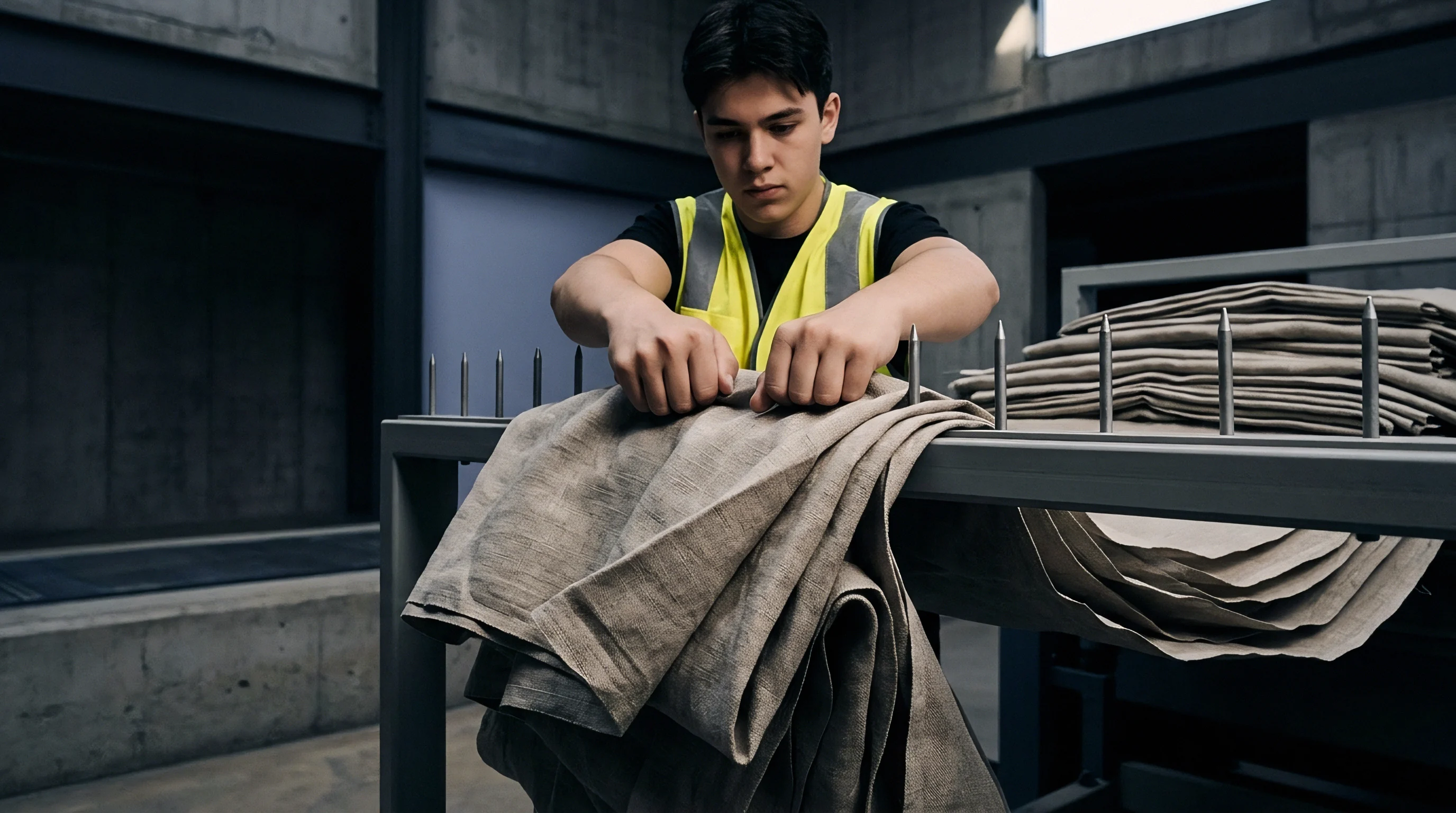
Could Low Viscosity Bath Formulations Prevent High Speed Yarn Snaps?
Increasing delivery speeds on wet frames shifts the dominant stress source from drafting friction to balloon hydrodynamic drag. The water mass carried along by the twisted yarn strand adds weight to the ballooning strand. Centrifugal force throws excess bath liquid outward, creating a mist inside the frame enclosure.
This mass loss alters yarn linear density dynamically between the front nip and the traveler, creating transient tension spikes that break high-count yarns.
Speed amplifies hydraulic force. Twist locks the fibers. At 8500 rpm spindle speeds, fluid drag against the wet balloon accounts for up to 55 percent of total spinning tension on Nm 90 fine line flax.
Optimizing balloon geometry with adjustable ring rails stabilizes yarn tension below critical breaking thresholds.
Higher bath temperatures reduce liquid shear drag faster than increased spindle speeds accumulate mechanical tension.
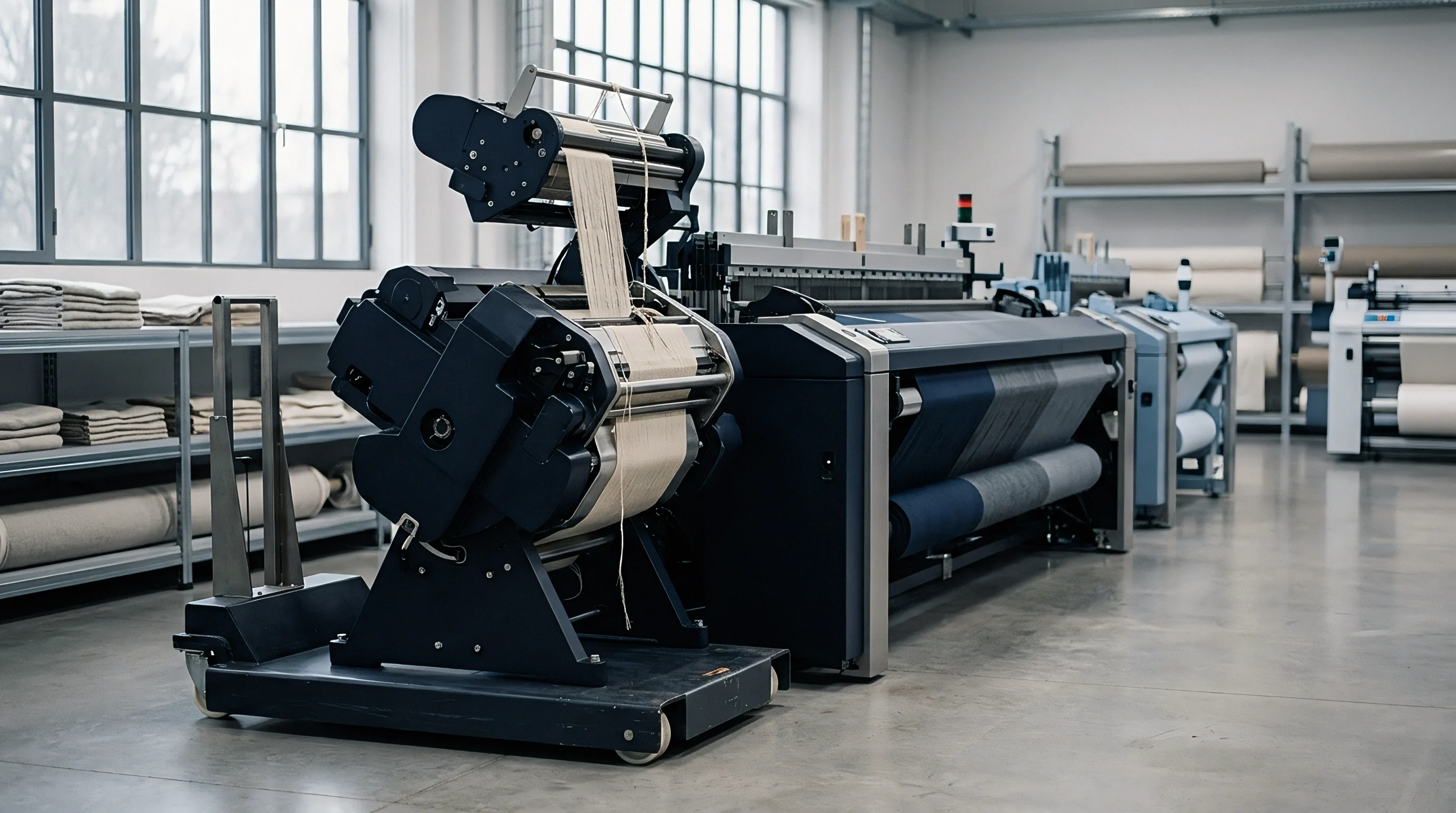
Mathematical Model of Drag Torque on Fine Roving
Total tension at the front drafting roller equals the sum of drafting resistance, submerged bath drag, and aerial balloon drag. Calculation of drag force inside the bath utilizes an empirical fluid mechanics model: Drag Force equals 0.5 times the fluid density, multiplied by the square of yarn velocity, the drag coefficient, and the wetted surface area. Fine counts demand control.
High-density liquid drag requires precise balancing against draft ratios to avoid fiber slip.
| Yarn Count (Nm) | Spindle Speed (rpm) | Delivery Speed (m/min) | Total Drag Tension (cN) | End Breakage Rate (breaks/1000 sp-hr) |
|---|---|---|---|---|
| 60 | 6000 | 48 | 4.2 | 12 |
| 60 | 7500 | 60 | 6.1 | 22 |
| 80 | 6500 | 42 | 3.8 | 18 |
| 80 | 8000 | 52 | 5.9 | 41 |
| 100 | 7000 | 35 | 3.5 | 29 |
| 100 | 8500 | 43 | 5.8 | 68 |
- Delivery Speed Settings directly control boundary layer friction buildup inside submerged wetting channels.
- Spindle Rotation Rates dictate wet balloon expansion profiles and centrifugal liquid throw-off mass losses.
- Drafting Ratio Distribution balances inter-fiber friction against hydrodynamic drag forces inside the draft zone.
- Bath Recirculation Velocity influences directional fluid shear forces acting along the path of moving roving.
Whether ultra-low bath viscosity formulations achieved through surfactant blends can completely eliminate balloon tension breaks at speeds above 10,000 rpm remains an open engineering question for high-count flax mills.
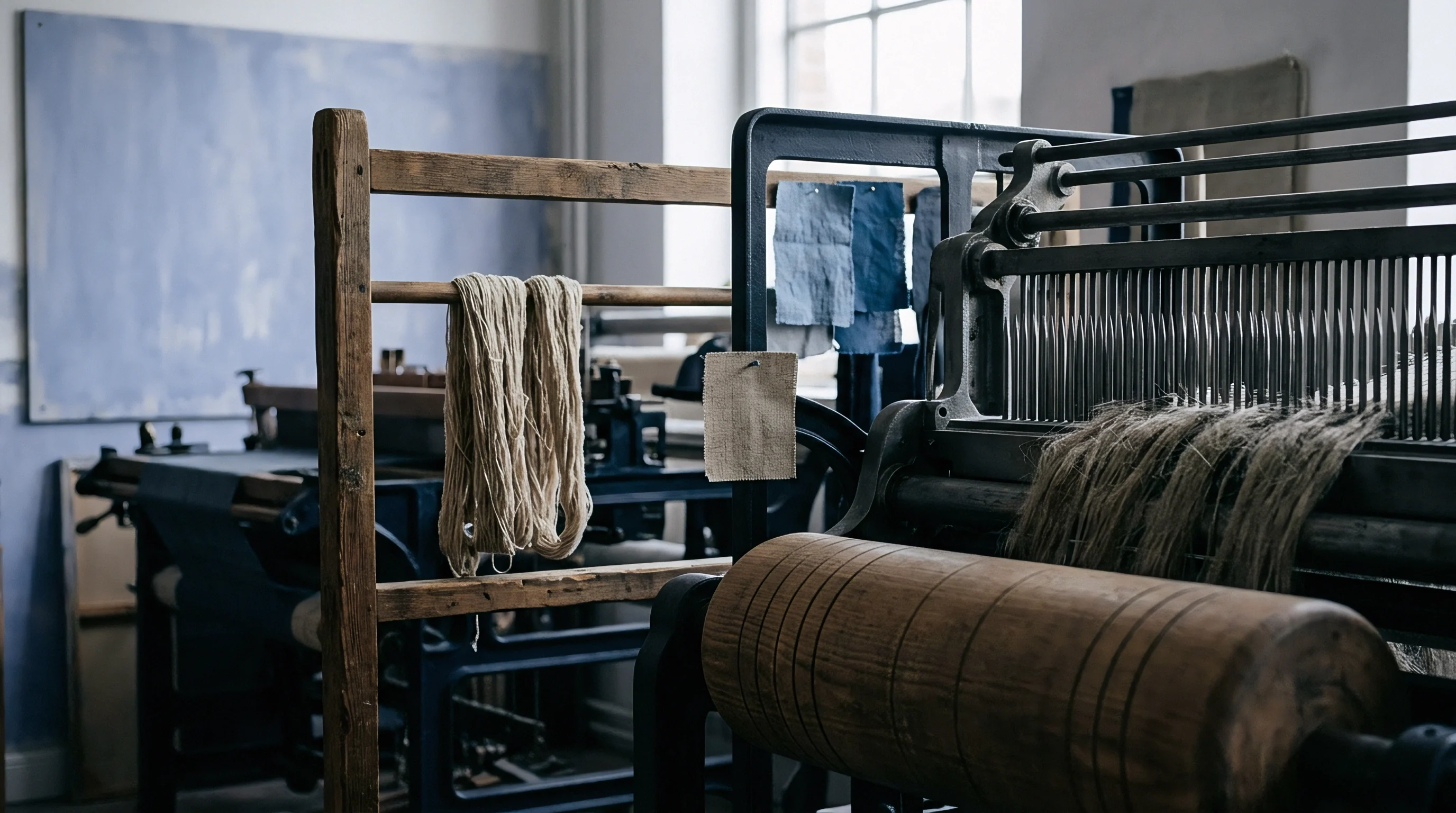

Contract
Sourcing specifications for fine line wet-spun linen yarn set the commercial parameters for yarn evenness and delivered linear density. Mill economics turn on the balance between spinning frame velocity, power consumption for bath heating, end-breakage labor costs, and raw flax line fiber yield. Fine flax yarns spun at Nm 80 represent high commercial value per kilo, but high end-breakage rates rapidly destroy frame productivity.
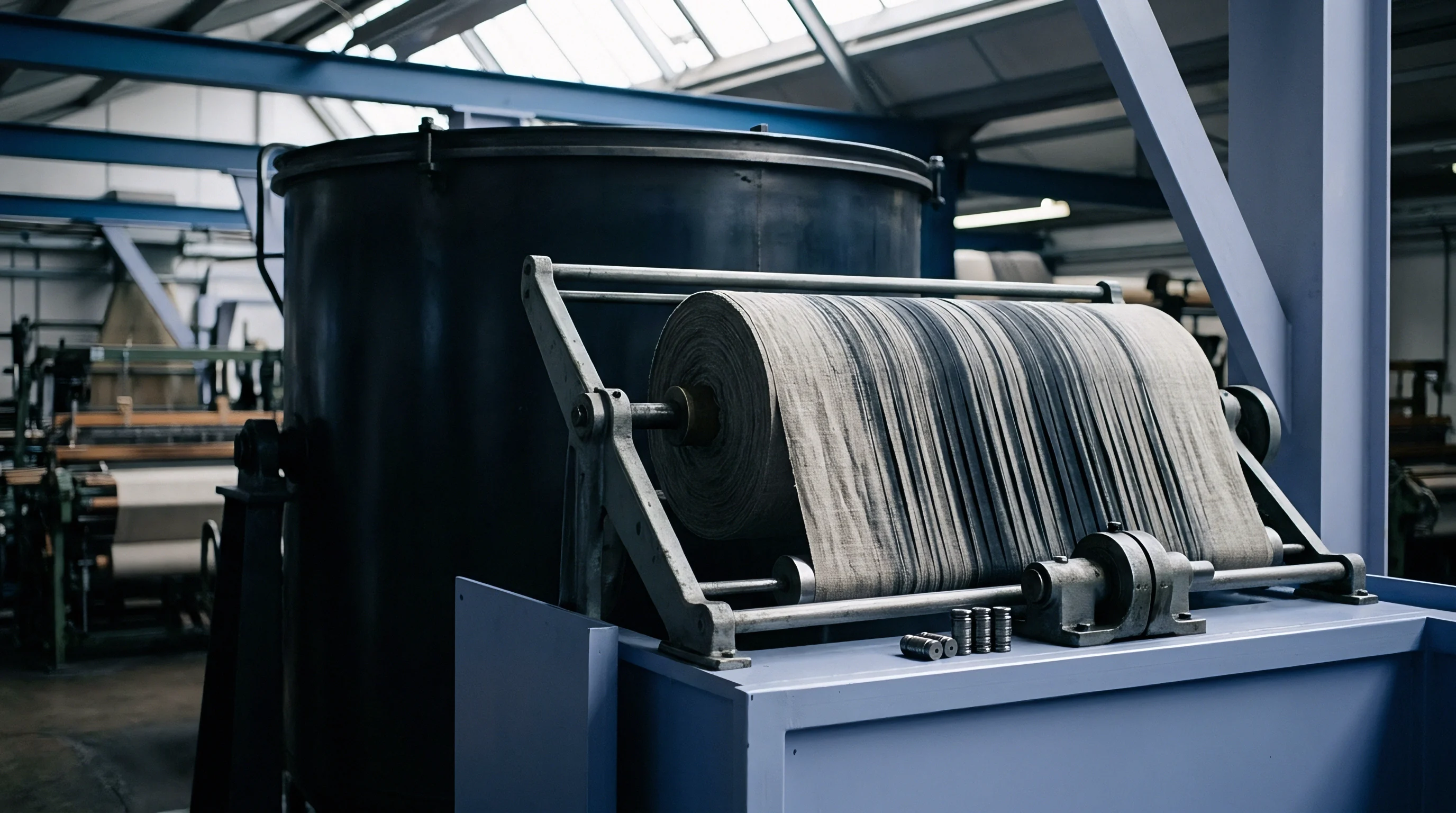
Yield Calculation for Fine Line Wet Spun Linen
Consider a 1,000 kilogram lot of hackled long-staple line flax costing $14.50 per kilogram landed. Hackling yield for top-grade Belgian dew-retted line flax averages 68 percent long fiber and 24 percent tow waste. Spinners targeting Nm 80 line yarn operate wet frames at 50 meters per minute delivery speed with a trough bath held at 72°C. Under optimized fluid drag parameters, end breakage sits at 18 breaks per 1000 spindle-hours, yielding a yarn waste allowance of 2.5 percent across drafting and winding.
Calculated drag guides speed. If trough temperatures drop to 55°C without adjusting surfactant levels, fluid drag increases tension by 1.8 cN. End breakage spikes to 52 breaks per 1000 spindle-hours.
Frame efficiency drops from 93 percent down to 81 percent, raising labor piecing costs and driving yarn waste to 6.2 percent. Across the 1,000 kilogram lot, this drag mismanagement destroys 37 kilograms of spinnable fiber, increasing net yarn cost by $0.88 per kilogram of finished Nm 80 yarn on the cone.

Commercial Framework for Yarn Specification Compliance
Yarn delivery contracts stipulate strict mass variations measured via Uster tester standards. High hydrodynamic drag during wet drafting causes irregular fiber drafting, resulting in elevated Uster percent CV values. Standard fine line linen contracts require CV mass values below 22 percent on Nm 80 yarn.
Excessive fluid resistance introduces periodic mass defects that fail CV checks, triggering quality rejection clauses and price markdown penalties.
Under standard commercial yarn purchase specifications, lots exhibiting Uster CV mass values above 23.5 percent on counts finer than Nm 70 trigger an immediate 8 percent invoice price deduction, compensating the weaver for expected efficiency losses during high-speed warping and weaving.