Intermediate State
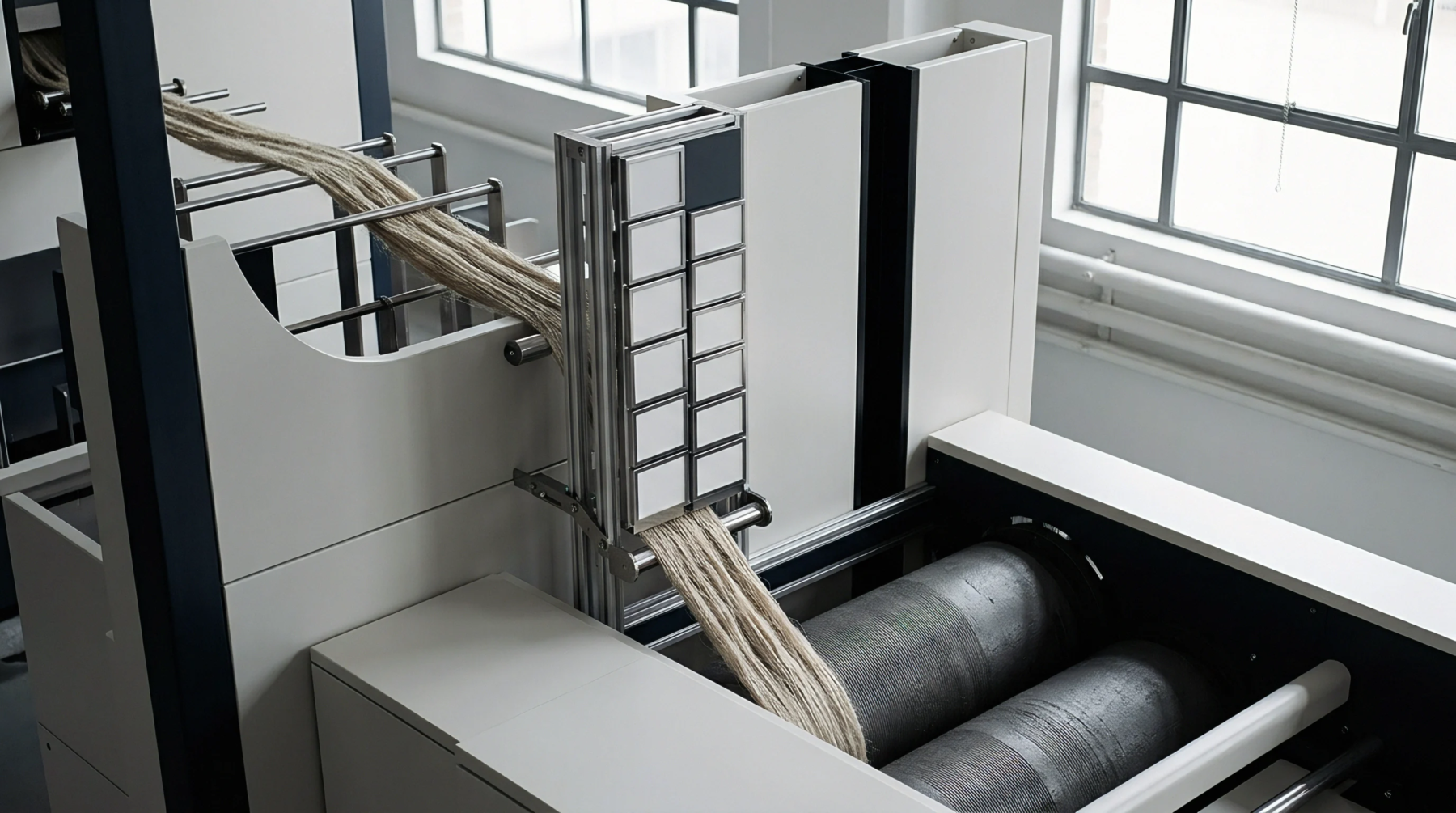
Compressed sheets of damp fibers emerging from the initial cleaning and preparation stages provide the raw material for secondary processing. A wet lap forms when flax fibers are washed and then passed through heavy rollers to remove excess moisture while maintaining a continuous form. This format allows for the efficient transport of material within the mill.
Moisture retention is high.
Handling Protocol
Industrial drying must be carefully managed to ensure that the interior of the fiber mass does not remain saturated while the exterior becomes brittle. When moving a wet lap to the next station, workers must ensure that no fungal growth occurs due to prolonged storage in a humid environment. The density of the sheet determines how easily the fibers can be separated later for carding or combing.
Even pressure across the rollers prevents the formation of thick or thin spots in the material. This stage is common in mills that integrate retting and spinning in a single facility. Consistency in moisture content is essential for predictable drafting.
Production Constraint
Storage time for these damp materials is limited by the biological nature of the flax plant. Processing the wet lap quickly prevents the degradation of fiber strength and maintains the natural color of the linen.