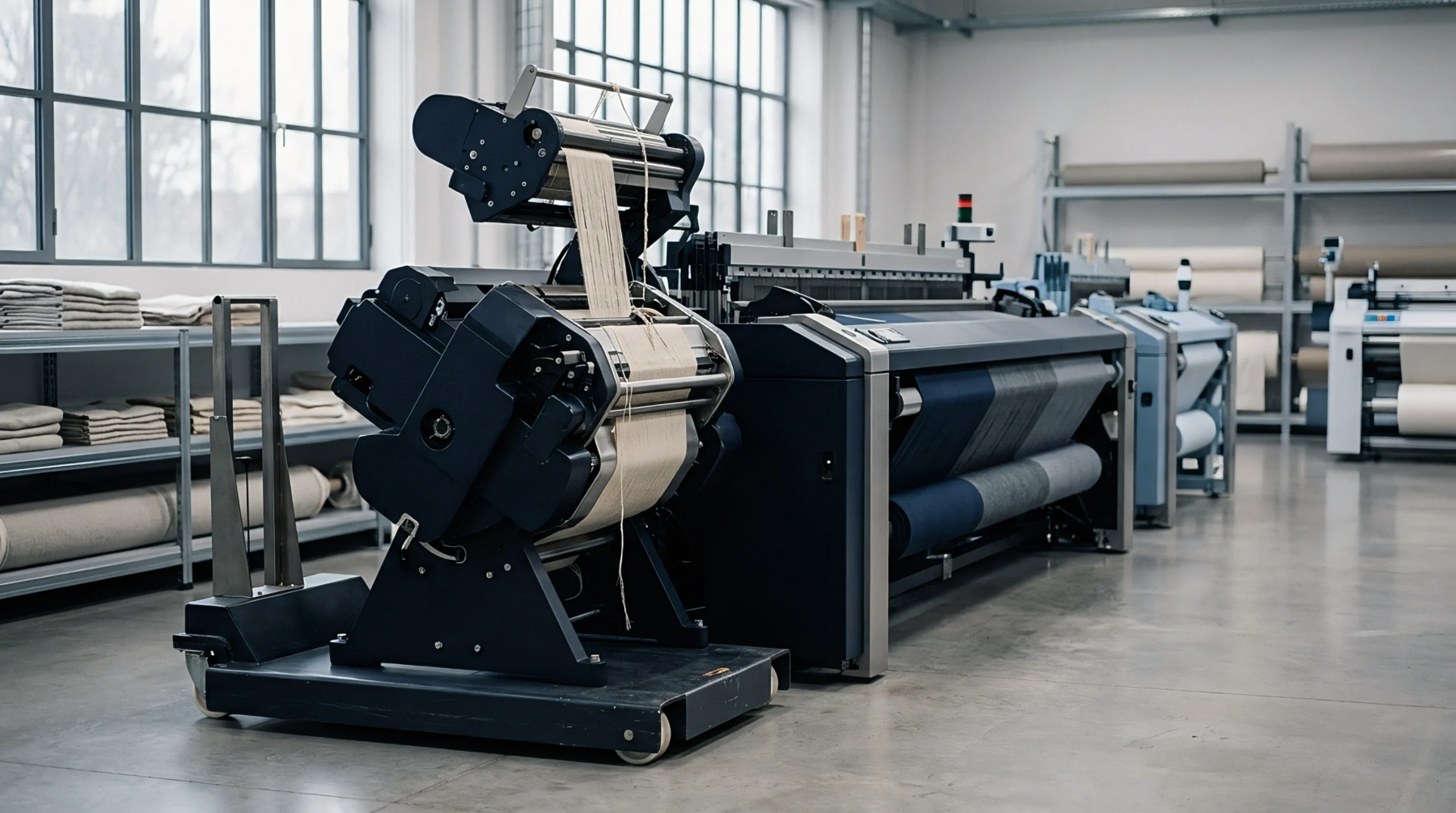
Weaving Dynamics
Rapid changes in yarn strain occur during the mechanical cycles of shedding and beating on industrial looms. Excessive warp tension transients are momentary peaks in stress that can exceed the tensile limit of the warp yarn. In linen weaving, these spikes are particularly critical because flax fibers have low elasticity compared to cotton or synthetics.
If these tension peaks are not managed, they cause frequent yarn breakages and stop the loom.
Tension Mitigation
Mechanical adjustments and automated monitoring systems stabilize yarn stress during the high-speed movements of the loom. Loom operators analyze warp tension transients by installing electronic tension sensors that record forces throughout the weaving cycle. They adjust the let-off motion and the shed timing to smooth out these abrupt tension changes.
This mechanical tuning is necessary to maintain a steady yarn tension and prevent structural damage to the delicate linen warp threads, ensuring that the yarn survives the repeated stress of the reed during the beat-up process.
Breakage Prevention
Optimizing machine settings reduces yarn fatigue and increases the efficiency of the weaving mill. Managing warp tension transients is essential to maintain high loom speeds without sacrificing the physical quality of the woven fabric. Weaving mills use the sensor data to establish safe operating limits for different linen yarn grades.
This preventative approach minimizes machine downtime and ensures a consistent fabric weave.