Operational Frequency
Mechanical tension monitoring quantifies the count of vertical yarn fractures occurring during the progression of a loom operation per hundred thousand picks within a textile manufacturing cycle. Warp end break rate tracks the integrity of longitudinal linen yarns as they transition through the heddles and reeds toward the fell of the fabric. Production managers record these specific counts on daily quality logs to determine if current humidity levels or loom speeds compromise the structural consistency of the cloth.
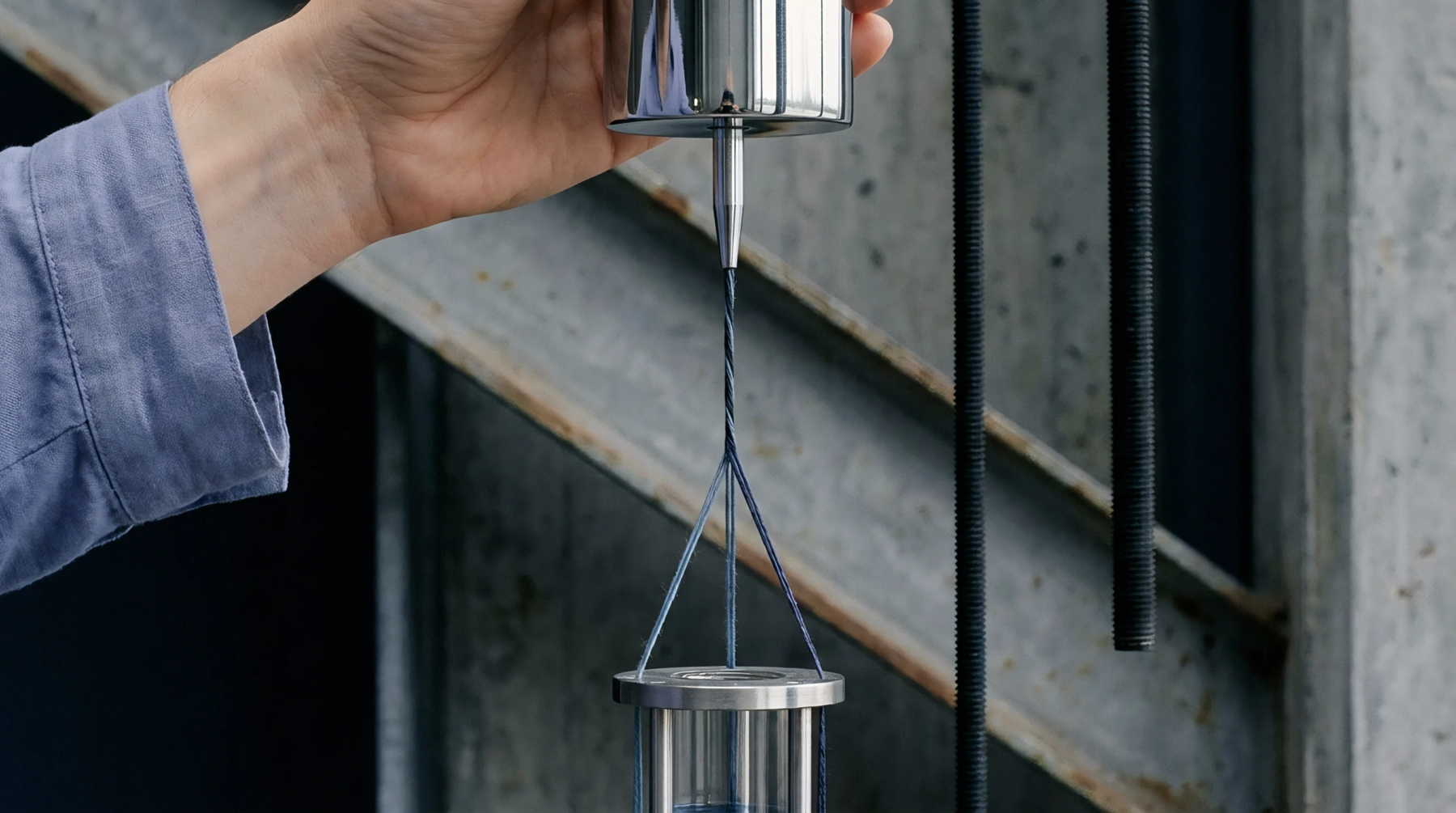
High numbers often signal that the sizing agent applied to the flax fibres fails to provide sufficient abrasion resistance against the oscillating harness frames. Low counts signify optimal preparation and machine settings that preserve the tensile strength of the warp. Engineers monitor this data point because excessive snap events impede automated systems and force frequent manual intervention at the loom interface.
Loom Performance
Tension fluctuations across the warp beam often result in erratic snaps that reduce the throughput of finished goods in the mill. Maintenance teams adjust the let-off motion of the machine when the count exceeds predefined limits established by internal quality departments. These technicians verify that the yarn does not rub against metal components while shedding occurs to prevent surface damage that leads to premature failure.
If the measurement remains elevated, operators swap the beam for a different production batch or modify the thermal controls in the weaving shed to stabilise the environment. This variable remains independent of the weft density and functions strictly as a diagnostic tool for assessing yarn quality prior to the final finishing phase. Practitioners recognise that a consistent rate indicates stable fibre processing from the initial spinning stage through to the final weaving assembly.
Quality Threshold
Procurement contracts define the maximum allowable snaps per unit of length as a mandatory condition for buyer acceptance of the linen delivery. Mills maintain logs of these events to differentiate between intrinsic fibre weaknesses and mechanical faults caused by incorrect settings. Each mill develops an individual standard based on the specific count of the flax yarn and the required density of the finished fabric.
Statistical distributions of break events provide the baseline for identifying anomalies that require immediate technical adjustments to the warping process. Consistent performance at these identified thresholds dictates the long term viability of a production run.