Elastic Rebound
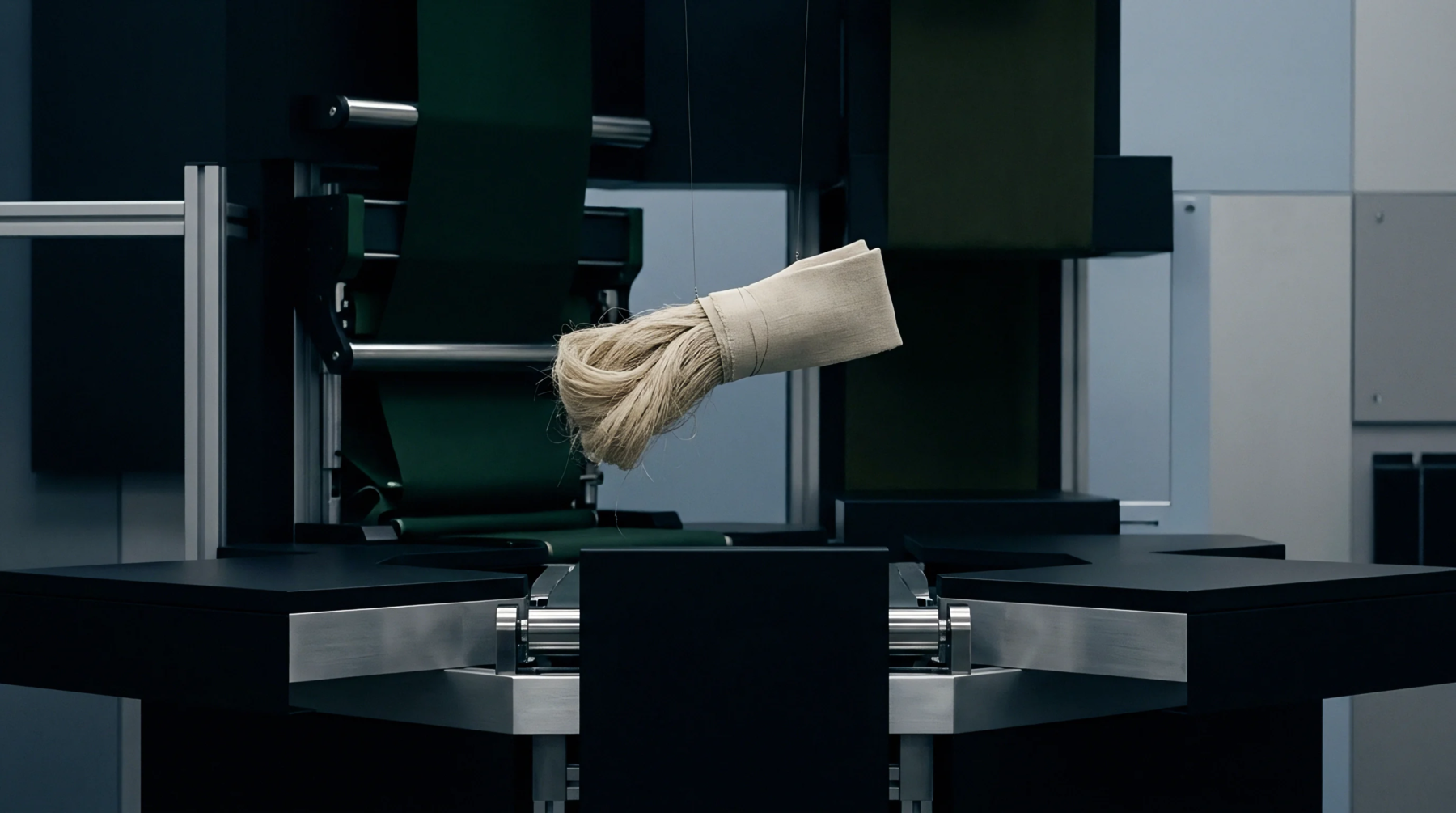
Raw flax fibre possesses a natural elasticity that allows damp stalks to recover their original length after mechanical tension is released during preliminary scutching and hackling operations. Strain recovery measures the percentage of length regained by a processed flax strand following the removal of a tensile load applied under controlled atmospheric conditions in a humidity chamber. This physical property determines whether raw bast material retains sufficient springiness to survive high-speed drafting frames without permanent deformation or fibre breakage.
Elongation Limit
Excess tension applied during mechanical hackling forces individual flax filaments beyond their elastic threshold, causing permanent structural damage that weakens subsequent spinning operations. Mill technicians calculate strain recovery values by comparing the extended length under load against the final resting length recorded ten minutes after load removal. Standard testing protocols require twelve conditioned test specimens per lot, and any batch failing to reach the seventy percent recovery threshold is diverted from fine yarn spinning toward coarse twine production.
Load Thresholds
Yarn inspectors record strain recovery metrics on the mill quality sheet accompanying each pallet of roving before dispatch to the wet spinning department. Fabric buyers establish specific elasticity minimums in their purchase contracts, separating high-end drapery material requirements from standard industrial canvas specifications. Laboratory tests isolate ambient temperature fluctuations during measurement phases to prevent thermal expansion from distorting the true recovery percentage of the cellulose matrix.