Climatic Baseline
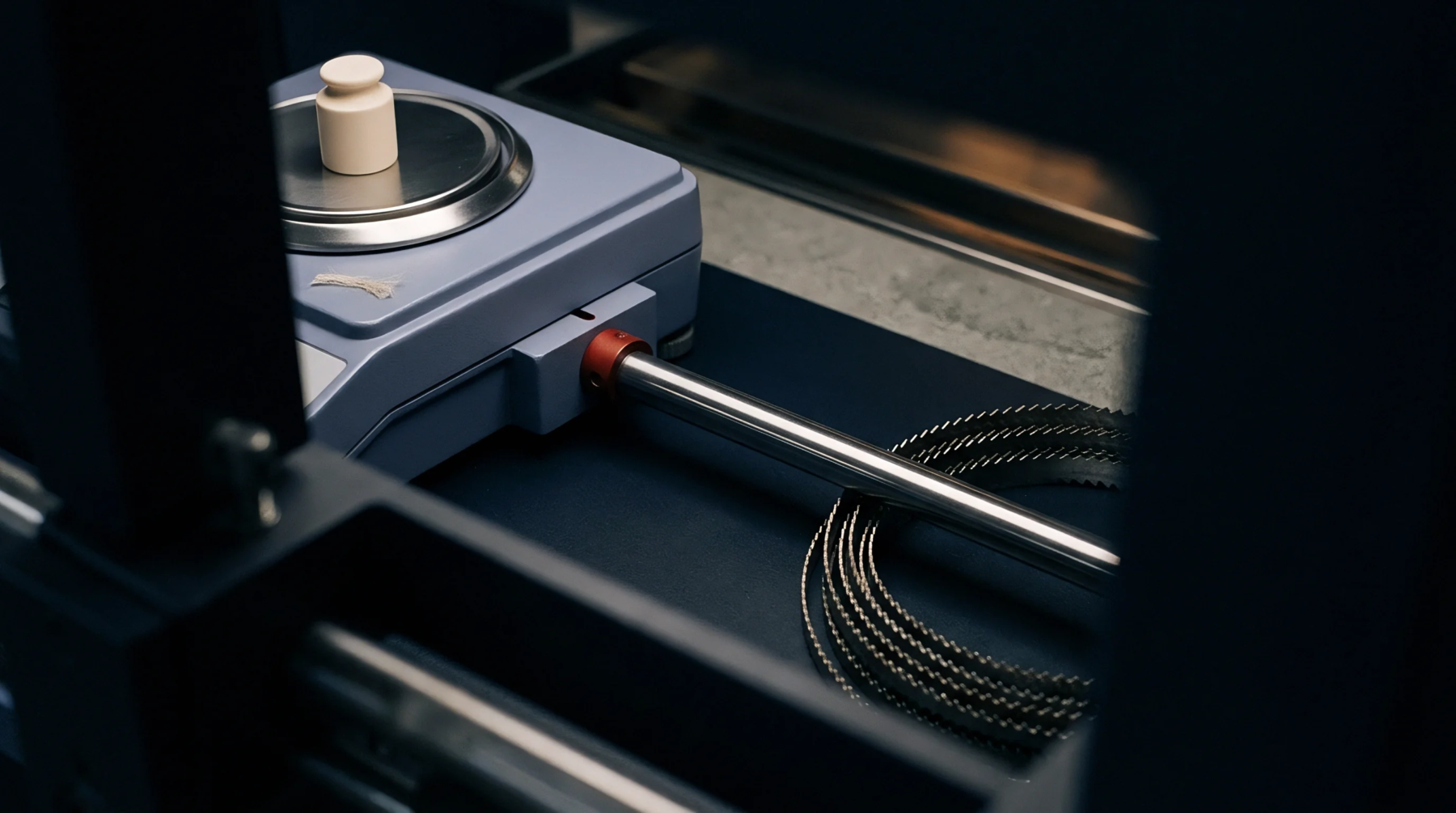
Environmental parameters define the specific temperature and humidity levels required for conditioning and evaluating textile specimens. The standard atmosphere for testing establishes a uniform environment of twenty degrees Celsius and sixty-five percent relative humidity. Laboratory supervisors log these ambient conditions in the Daily Climate Record to validate all fiber test results.
Moisture equilibrium must be reached before any physical properties are measured.
Moisture Equilibrium
Exposing flax fibers to a controlled atmosphere is necessary because linen is highly hygroscopic and changes its weight and strength based on the surrounding humidity. Within the standard atmosphere for testing, the flax samples absorb or release moisture until they reach a stable state. This conditioning prevents false readings of fiber strength and elongation during quality control tests.
The conditioning time is recorded in the Laboratory Sample Log before any mechanical testing begins. If testing occurs in an uncontrolled room, dry winter air or humid summer air can distort fiber weight measurements by up to five percent, invalidating the yield calculations.
Strength Verification
Dry linen fibers are significantly weaker and less elastic than those with optimal moisture content. Unless the standard atmosphere for testing is strictly maintained, the recorded tensile strength of the flax yarn will vary from day to day. Ensuring this constant test environment allows the mill to guarantee that its exported yarns meet the buyer’s strength specifications.