Mechanical Extraction Ratio
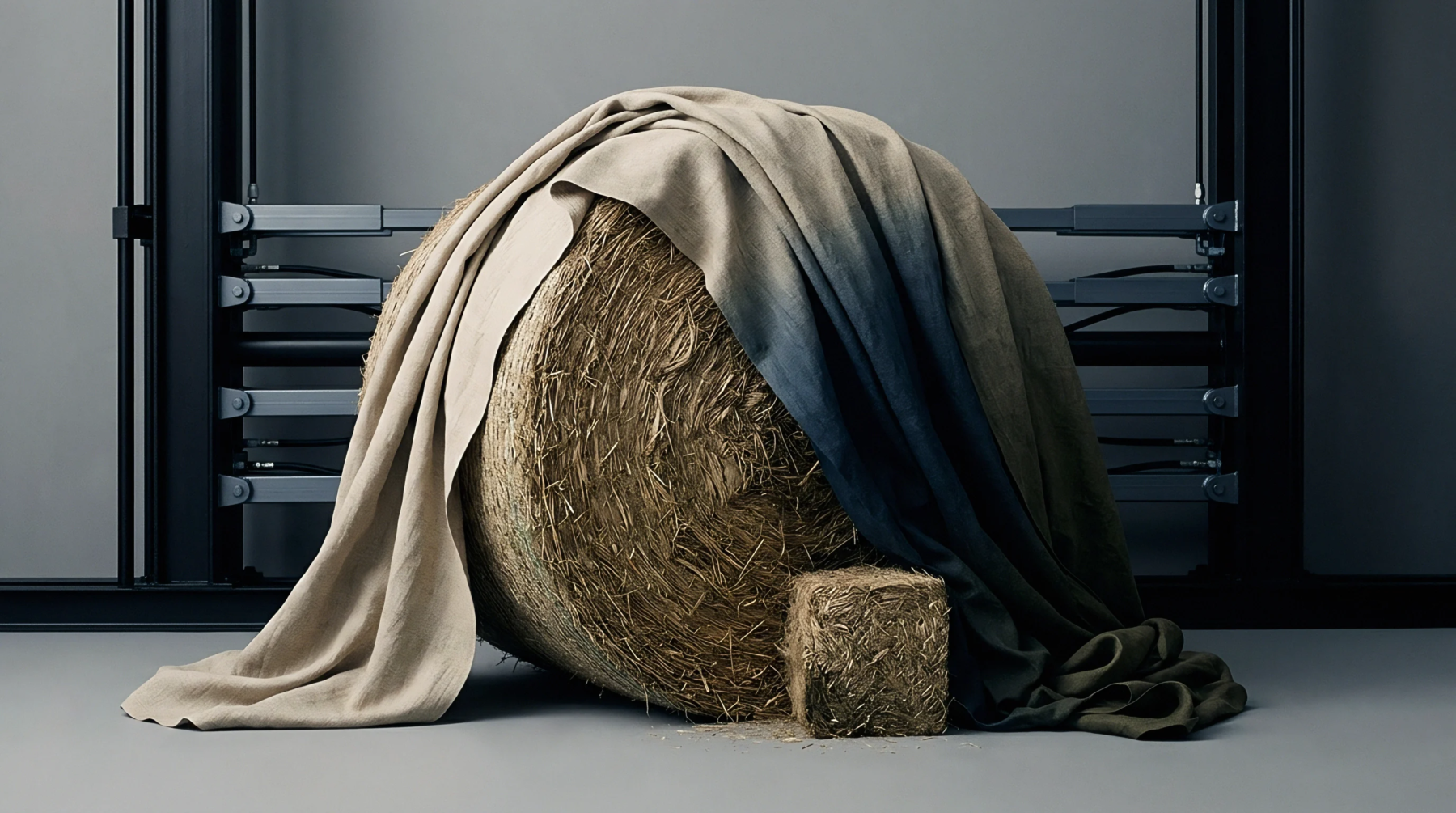
Decortication line operators compute shive percentage during the primary scutching of flax stems to measure the residual woody core remaining within the technical fibre bundle before drawing and wet spinning. Plant managers apply this mass ratio to dry sliver samples drawn from the exit apron of the turbine machine, balancing mechanical clearing efficiency against excessive fibre breakage. Excessive shive percentage fouls subsequent gill boxes and tears high draft rovings on ring frames, while over-processed tow suffers from severe length reduction and lowers yarn tenacity.
Bleaching Variance
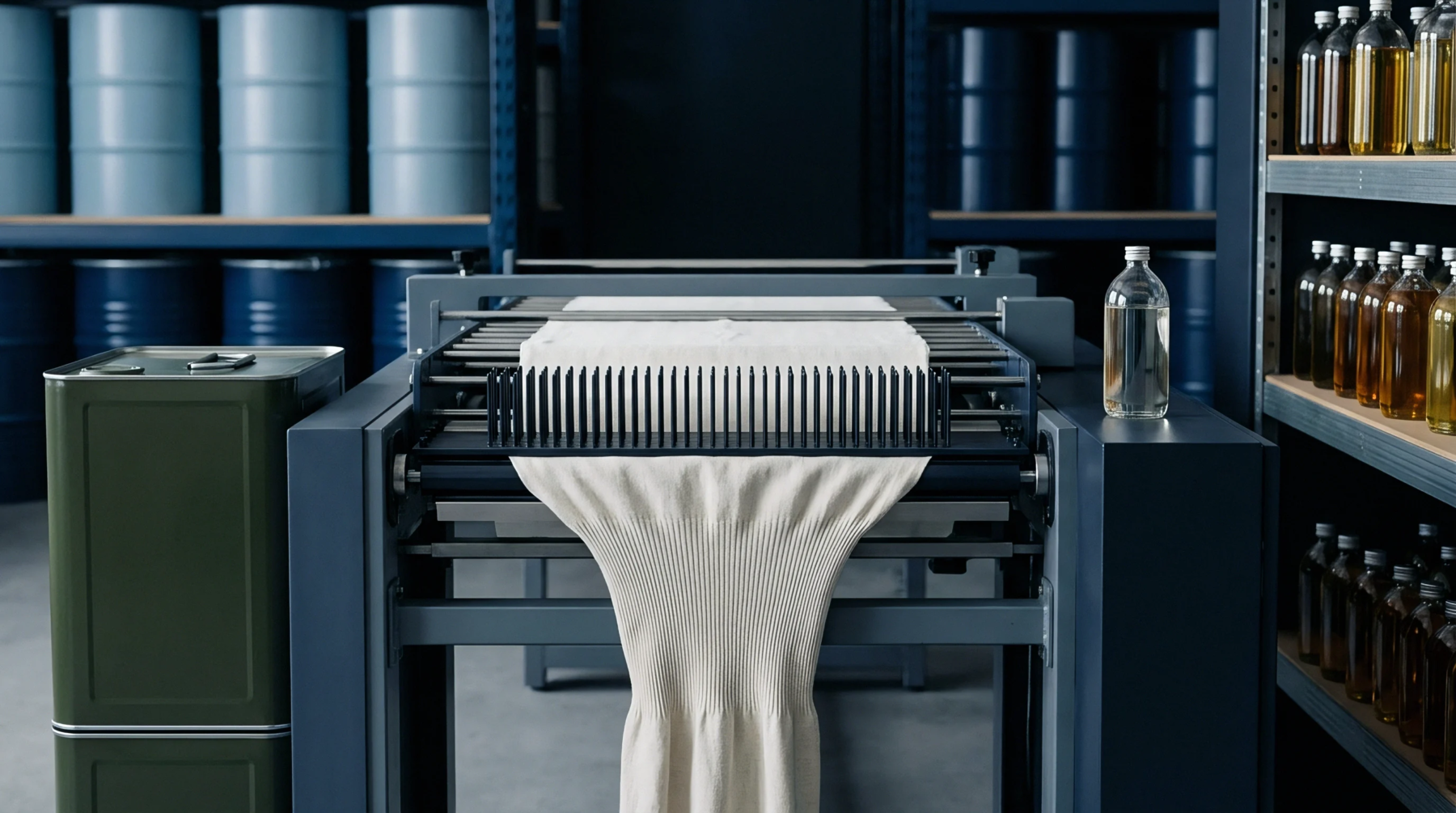
Scouring kiers and hydrogen peroxide stages remove residual non cellulosic matter from flax roving, yet stubborn lignified fragments resist alkaline dissolution and survive into the wet spinning room. Laboratory technicians track shive percentage variations across kier discharges to verify whether chemical liquor concentration and temperature profiles successfully degrade remaining woody tissue without oxidizing pure cellulose. Persistent particulate matter lodging in the hackled web reduces subsequent yarn evenness ratings and creates weak spots that snap under the tension of high speed ring spindles.
Yarn Acceptance
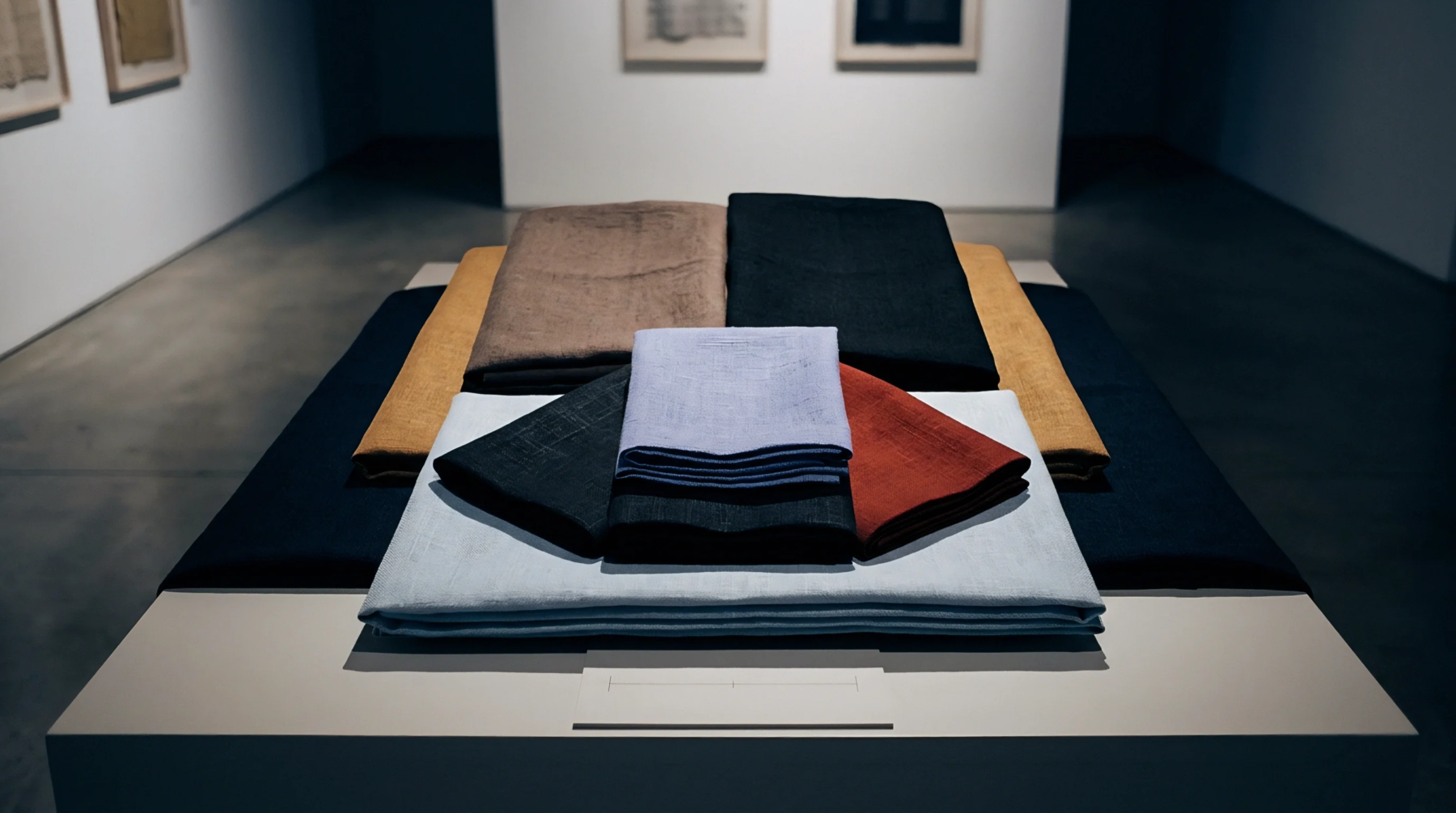
Commercial contracts between spinning mills and weaving houses specify maximum allowable shive counts per kilometer of fine linen yarn, establishing the legal threshold for financial penalties or lot rejection. Quality inspectors examine projected shadow graphs of finished yarn boards against standard photographic plaques to verify that the final fabric will finish without dark specks or surface irregularities. Exceeding agreed shive limits downgrades linen cloth from luxury apparel grades to industrial canvas, transferring the financial loss directly to the spinning mill operator.