Structural Failure
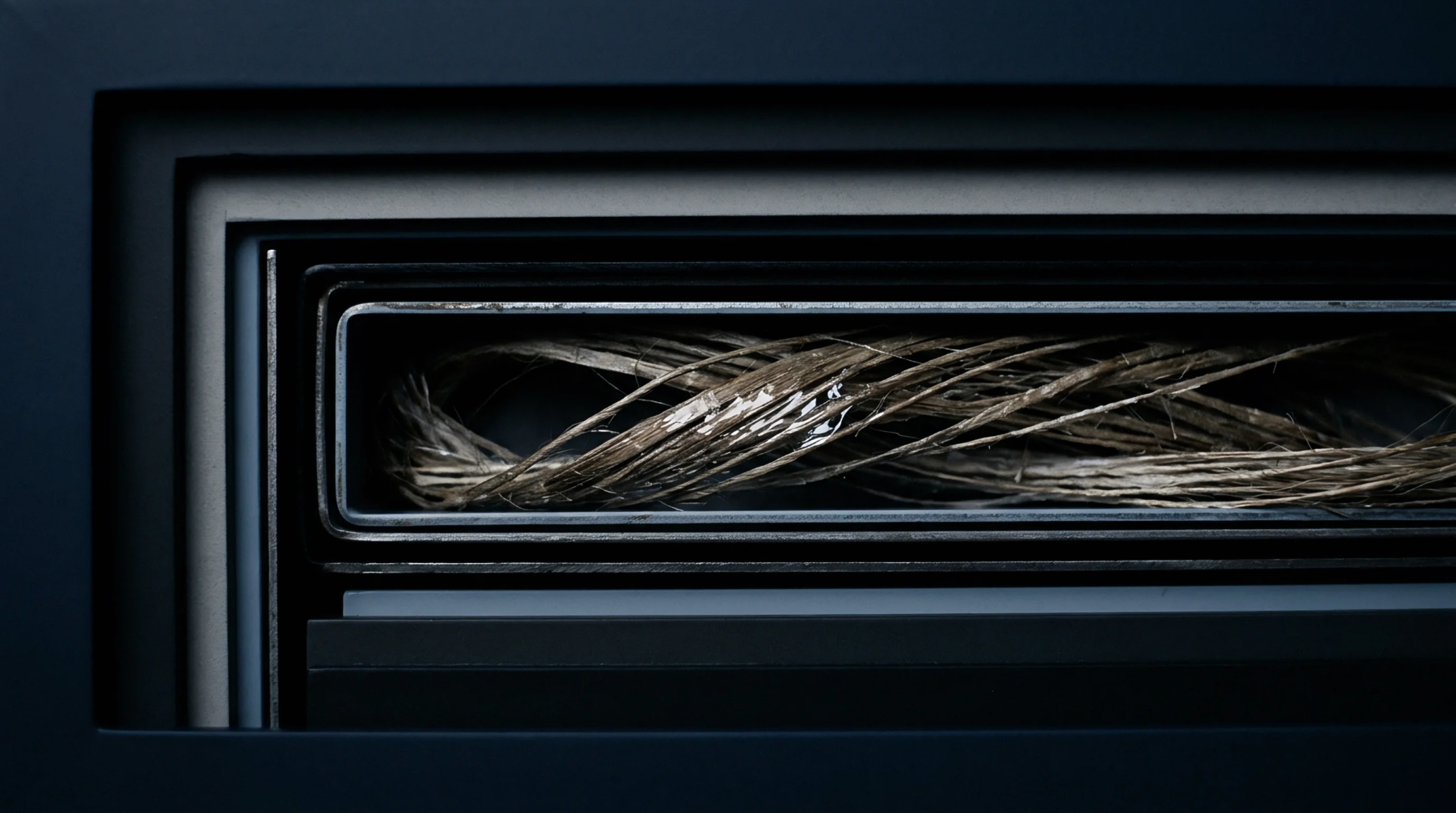
A deformation mechanism describes the sliding of individual plant cells past one another under an applied tensile load within a multi-cellular fibre bundle. This inter-cellular shear slip occurs when the pectin-rich middle lamella that binds the cells together yields to shear stress. It represents the point where the bundle transitions from elastic deformation to irreversible structural failure.
The mechanism is active in raw flax fibres and represents the primary cause of premature bundle rupture during processing.
Mechanical Process
The strength of the adhesive pectin layer determines the force required to initiate this cellular displacement. When flax yarn undergoes wet spinning, hot water is used to soften the pectin, allowing controlled inter-cellular shear slip to happen so that the bundles can be drafted into finer strands. Without this softening, the dry fibre bundles would snap rather than slide, leading to thick, uneven yarn.
In Chinese spinning mills, monitoring this slip behaviour during the roving and wet drafting stages helps engineers adjust the water temperature and spindle speed. Understanding the transition from elastic stretching to slipping ensures that the yarn achieves its target fine count without lose of cohesion.
Drafting Response
Quality laboratories evaluate this slipping threshold by conducting wet tensile tests on flax slivers. A low slip resistance indicates either over-retted flax or insufficient pectin content, which degrades yarn quality. These values are recorded on the technical raw material sheets to guide the blending of different flax batches.