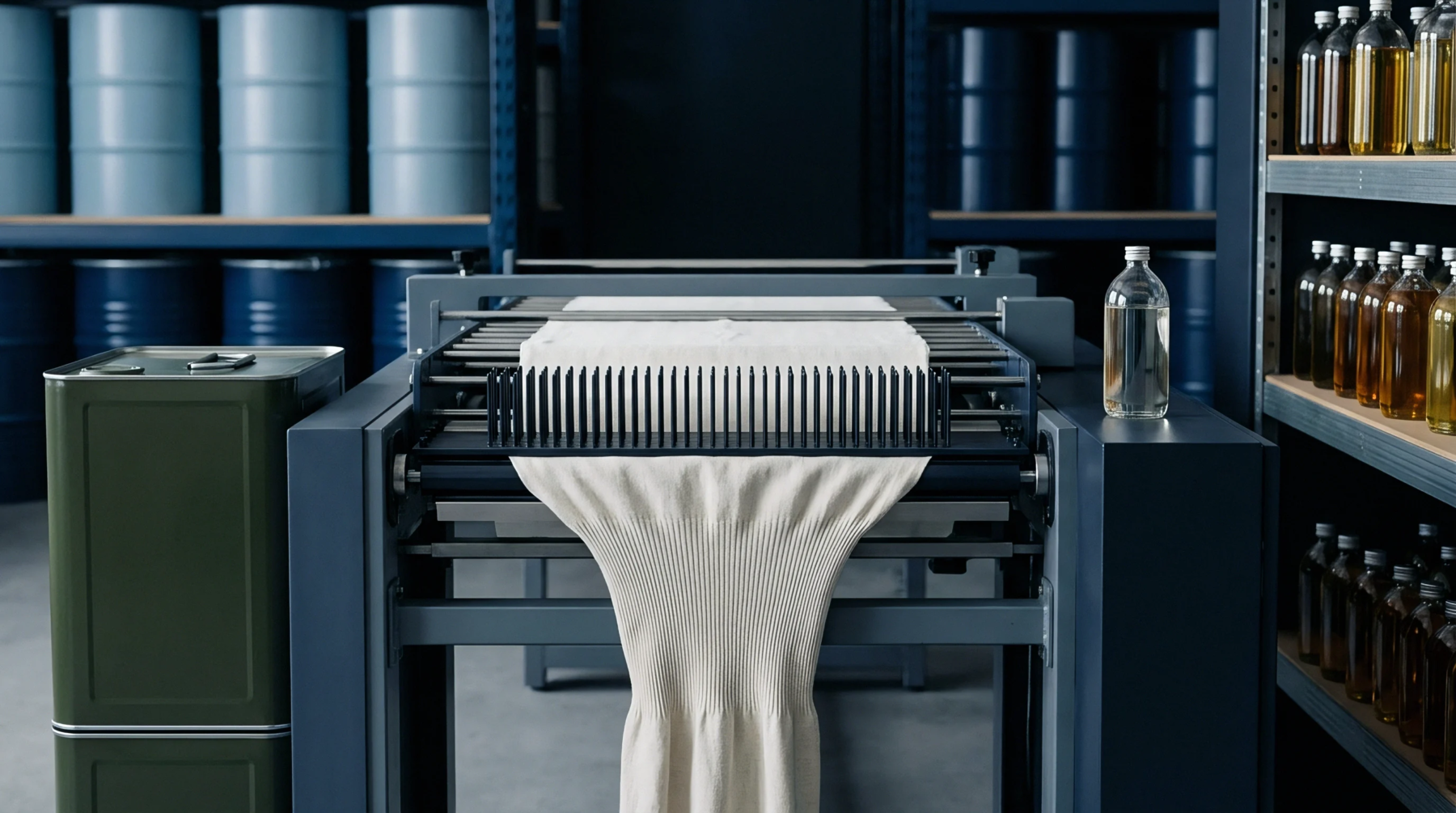
Combed Fiber
Parallelized long flax fiber produced by mechanical combing of scutched ribbons through rotating pin beds constitutes the primary raw input for high count wet spun yarns. Pin sets systematically remove short fibers, tangled clumps and residual shive particles from the fiber head. Mill inventory records classify hackling line flax according to length, cleanliness and bundle alignment before spinning allocation.
This raw material category defines the baseline quality standard for premium linen yarn manufacture.
Pin Field
Successive hackling fields utilize progressively finer pin densities to split coarse fiber bundles into finer technical strands. As the mechanical clamps transfer flax heads along the machine line, hackling line flax undergoes continuous combing action on both ends. Operators adjust pin speeds and transfer timing based on fiber moisture content and raw strand strength.
Quality control technicians sample output bundles to measure mean fiber length and trash content.
Yield Separation
Machine combing separates raw input into long fiber line flax and short fiber tow bundles. High yield efficiency depends on matching pin geometry to the retting state of the scutched straw. When processing coarse or improperly retted strands, hackling line flax generates excessive tow waste and reduces line yield percentages.
Sorting sheets log long fiber output against input weight to verify machine efficiency and raw material quality. Final bundle lots receive grade stamps prior to baling and transfer to the roving department.