Fibre Classification
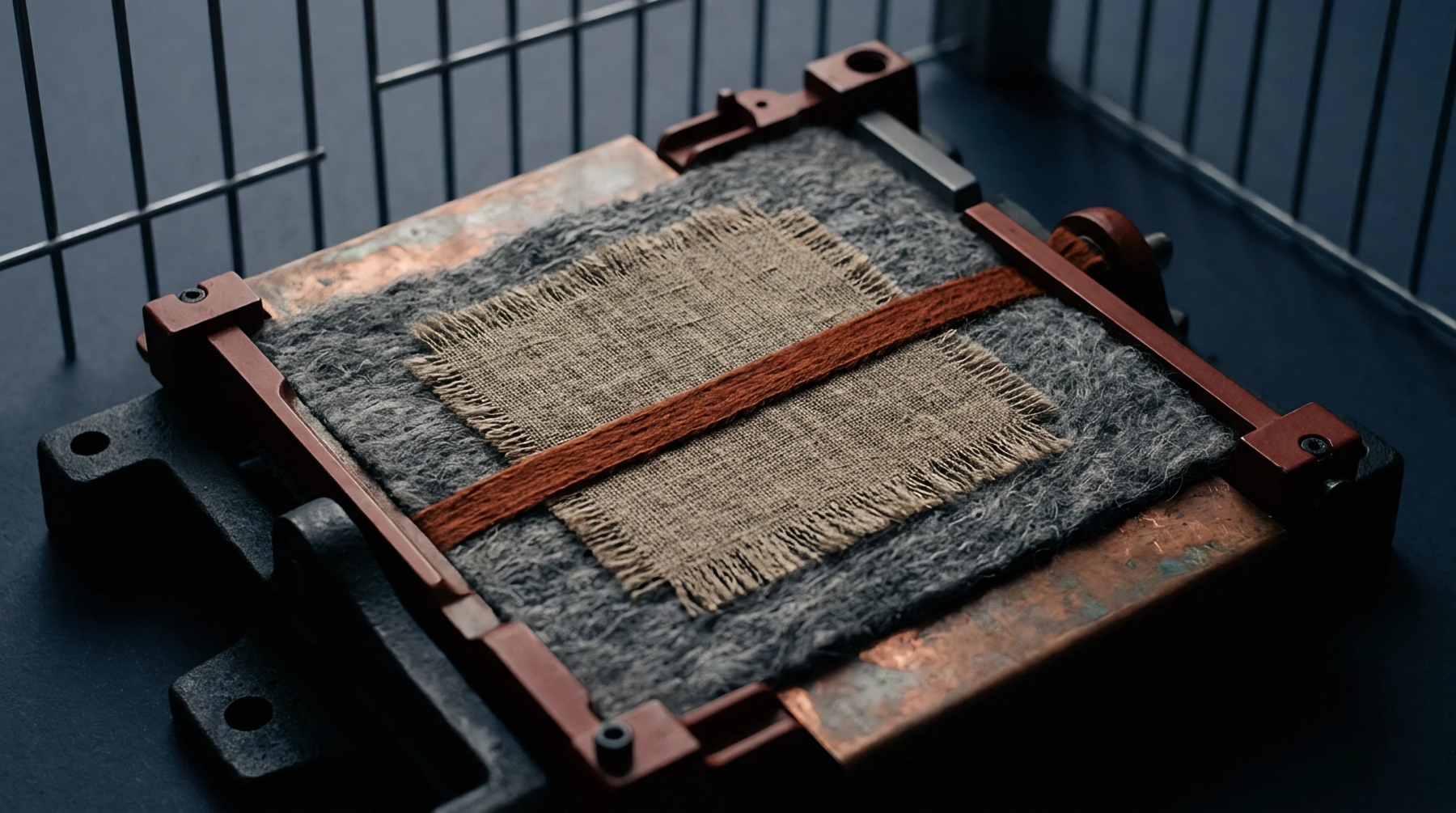
Raw fibre categorization sorts botanical strands by length, fineness, and colour to establish commercial value before spinning operations. Flax grading assigns a numerical or alphabetical rank to a batch based on mechanical testing of tensile strength and moisture content. Mills purchase raw material according to these specific rankings to ensure consistency in the resulting yarn.
Sorting protocols distinguish between the natural qualities of the harvested plant and the mechanical performance required for subsequent industrial processing.
Processing Verification
Quality control protocols inspect the semi-finished product following the initial heckling stage to confirm compliance with mill standards. Flax grading at this intermediate point identifies potential contamination or structural damage that would interfere with high-speed machinery. Technicians compare current samples against established control lots to determine if the material remains suitable for the designated count of yarn.
Fabric requirements force this rigorous assessment because flaws hidden at the fibre stage multiply during the loom operation.
Acceptance Criteria
Buyer specifications set the final boundary for contract performance by detailing exactly which deviations from the grade are permissible. Flax grading documents produced at the point of origin provide a baseline for negotiations but rarely supersede the arrival inspection performed at the destination warehouse. Disputes arise when the moisture content or impurity percentage fluctuates between these two sites, leading to price adjustments or outright rejection of the lot.
This final measurement governs the transfer of ownership and the ultimate profitability of the entire production cycle.