Surface Resistance
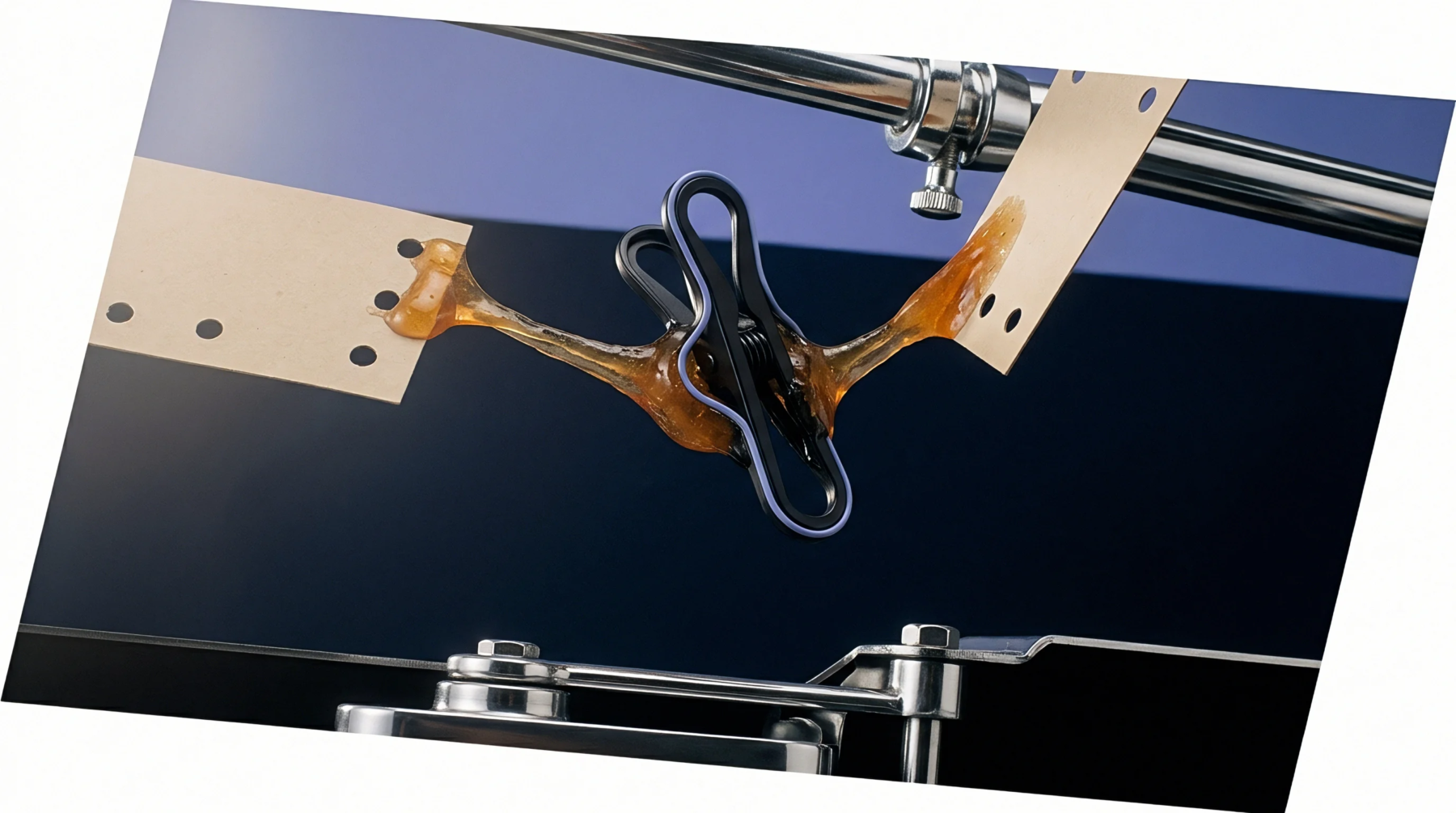
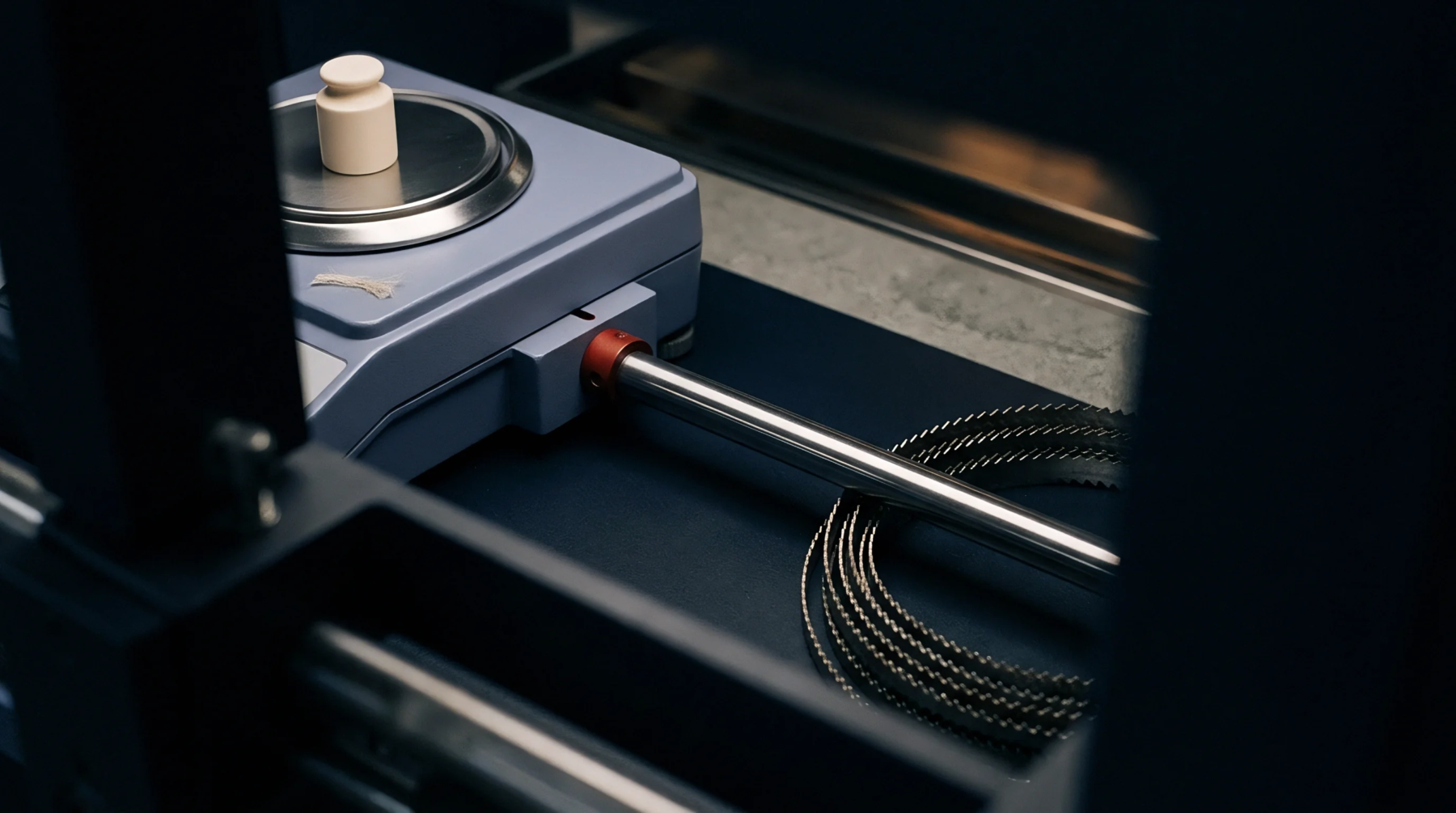
Mechanical slippage between adjacent flax strands during drafting determines the baseline stability of spun yarn before wet processing begins. Fiber friction prevents premature filament separation while roving travels through high speed drafting rollers in a Chinese spinning mill. Technicians measure this physical property by pulling compressed sliver samples through calibrated steel jaws on a tabletop tensiometer.
Slippage force values appear directly on the mill laboratory test certificate alongside staple length distributions and moisture content percentages. Drafting zones apply controlled pressure to restrain individual strands so that untwisted bundles stretch evenly without pulling apart.
Drafting Dynamics
Roller pressure balances surface adhesion against forward momentum to draw raw material into uniform roving strands. Excessive grip snaps individual flax strands before drafting elongation occurs while loose settings allow uncontrolled bunching inside the delivery apron. Mill operators adjust spacer distances between brass nose bars to accommodate seasonal variations in retting quality.
Humidification systems inside the spinning hall modify ambient moisture levels to stabilize surface contact between dry plant cells. Raw material harvested from northern provinces requires wider roller settings than southern crops because stem diameters vary significantly across regional growing areas.
Export Verification
Final yarn acceptance depends on strict compliance with contractual limits recorded in bilateral trade agreements signed before container loading. Buyers specify maximum allowable slippage tolerances to guarantee consistent performance during high speed industrial weaving on air jet looms. Mill inspectors pull random bobbin samples from finished export lots and test them on calibrated laboratory instruments before issuing official quality clearance documents.
Excessively smooth yarn fails tensile retention limits and causes frequent warp breakage during subsequent sizing operations. Commercial contracts permit financial penalties or complete shipment rejection whenever laboratory test certificates exceed agreed friction thresholds.