Repair Duration
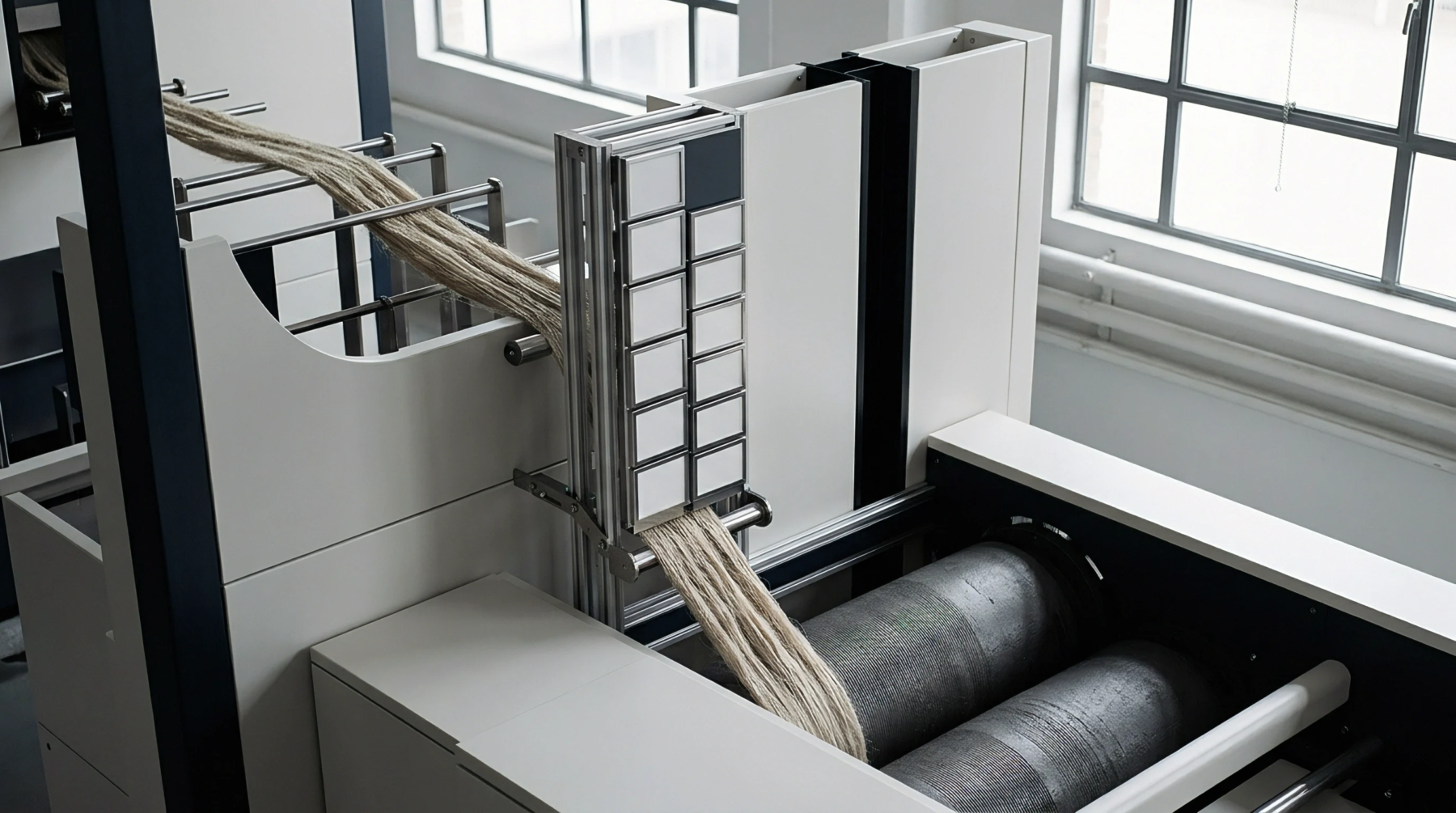
Operational efficiency in a linen weaving shed depends on the interval required for a weaver to knot or splice a severed yarn and restart the machinery. The end break repair time quantifies this manual intervention period for warp or weft ruptures during active production. High yarn fragility in flax spinning makes this measurement a primary indicator of both operator skill and fibre quality.
It begins the moment the loom stops and concludes when the shuttle or rapier resumes its path.
Operational Impact
Automation levels within the mill dictate how much of the total stop duration is occupied by human activity. While modern looms detect a snap immediately, the end break repair time remains a human variable determined by the reach and dexterity of the worker. Short repair windows suggest a well trained workforce and optimal ergonomic layout.
If the average exceeds the standard allowed in the mill production plan, the total output of the shift falls below the required yield. Prompt attention to these stops prevents the machine from remaining idle while the operator finishes a different task. High efficiency is only achieved when the delay between the stop and the start of the repair is minimized through constant floor supervision.
Variance Source
Bast fibres possess irregularities that can complicate the knotting process compared to synthetic alternatives. Fluctuations in end break repair time often stem from the specific reed density or the presence of slubs in the flax yarn. A thick slub may require the weaver to trim and re-thread the eye of the heddle.
This specific metric identifies where the physical properties of the linen batch exceed the mechanical tolerances of the spinning frame.