Cellular Structural Decay
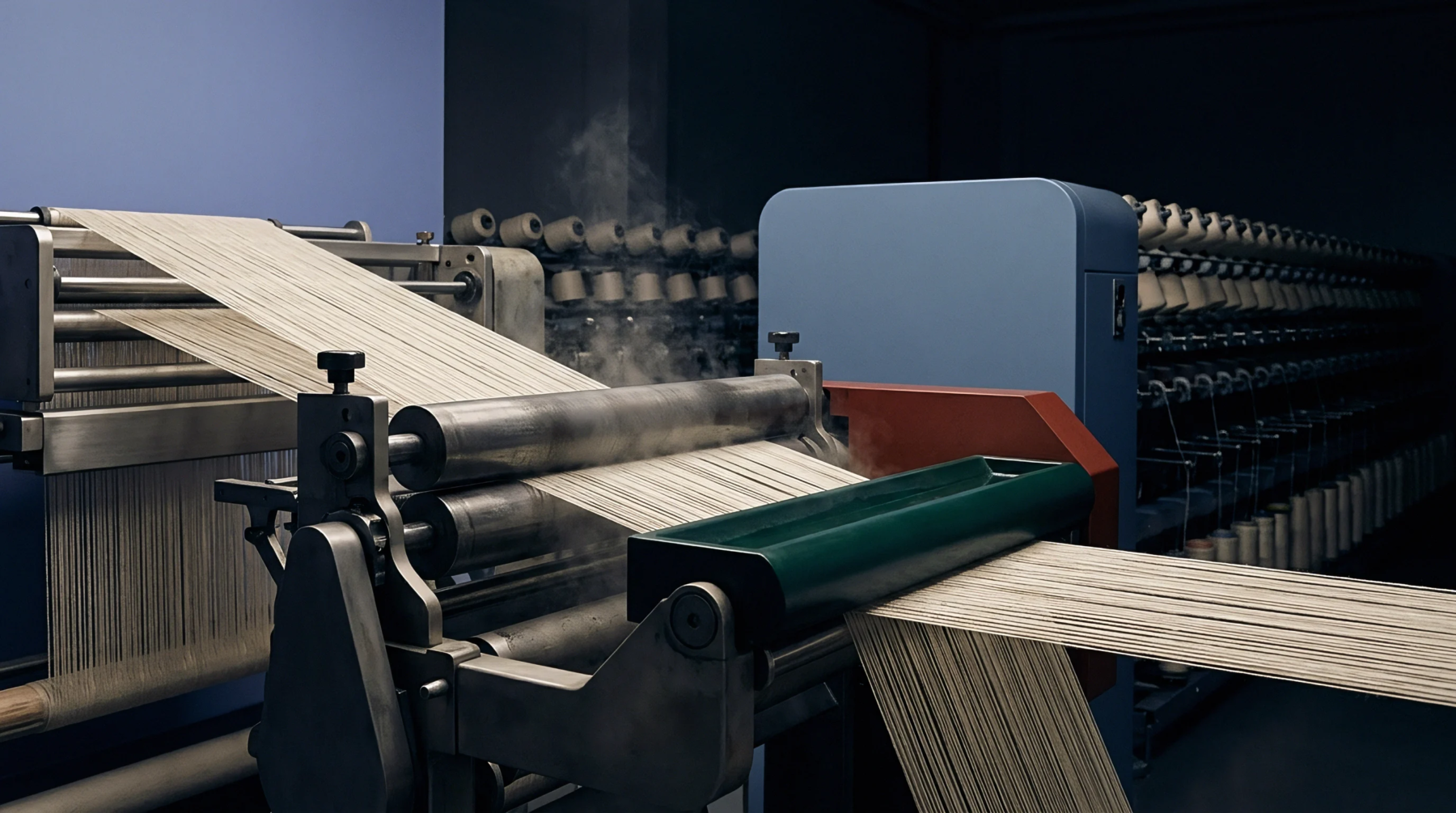
Plant tissue strength relies on the integrity of complex polysaccharides within the primary and secondary layers. Cell wall degradation occurs when biological enzymes or environmental conditions break these structural polymers into smaller carbohydrate chains. This process diminishes the mechanical resistance of bast fibres during the initial stages of extraction from the flax stalk.
Manufacturers monitor this breakdown to ensure that chemical retting or enzymatic treatment does not compromise the ultimate tensile strength required for spinning premium linen yarns.
Fibre Stability Index
Mechanical processing of raw flax stalks involves precise control over microbial activity to loosen the pectin binding. Excessive cell wall degradation reduces the length of individual fibre bundles, leading to higher waste percentages during the combing stage. Spinners distinguish between controlled retting, which enhances fibre purity, and structural over-processing that weakens the integrity of the bast.
Quality control laboratories measure this by evaluating the reduction in hemicellulose content against standardized baselines for premium flax harvests.
Quality Certification Record
Technical inspectors document these changes within the grading manifest after the primary scutching operation. Acceptance criteria define specific thresholds for structural loss, where minor enzymatic alteration assists in separating fibre units while significant thinning leads to immediate batch rejection. Buyers compare these mill assessments against international textile standards to confirm the consistency of the raw material.
Uniformity in the degree of cellular breakdown between lots provides the predictable physical characteristics necessary for high-speed weaving equipment.