Microscopic Preparation
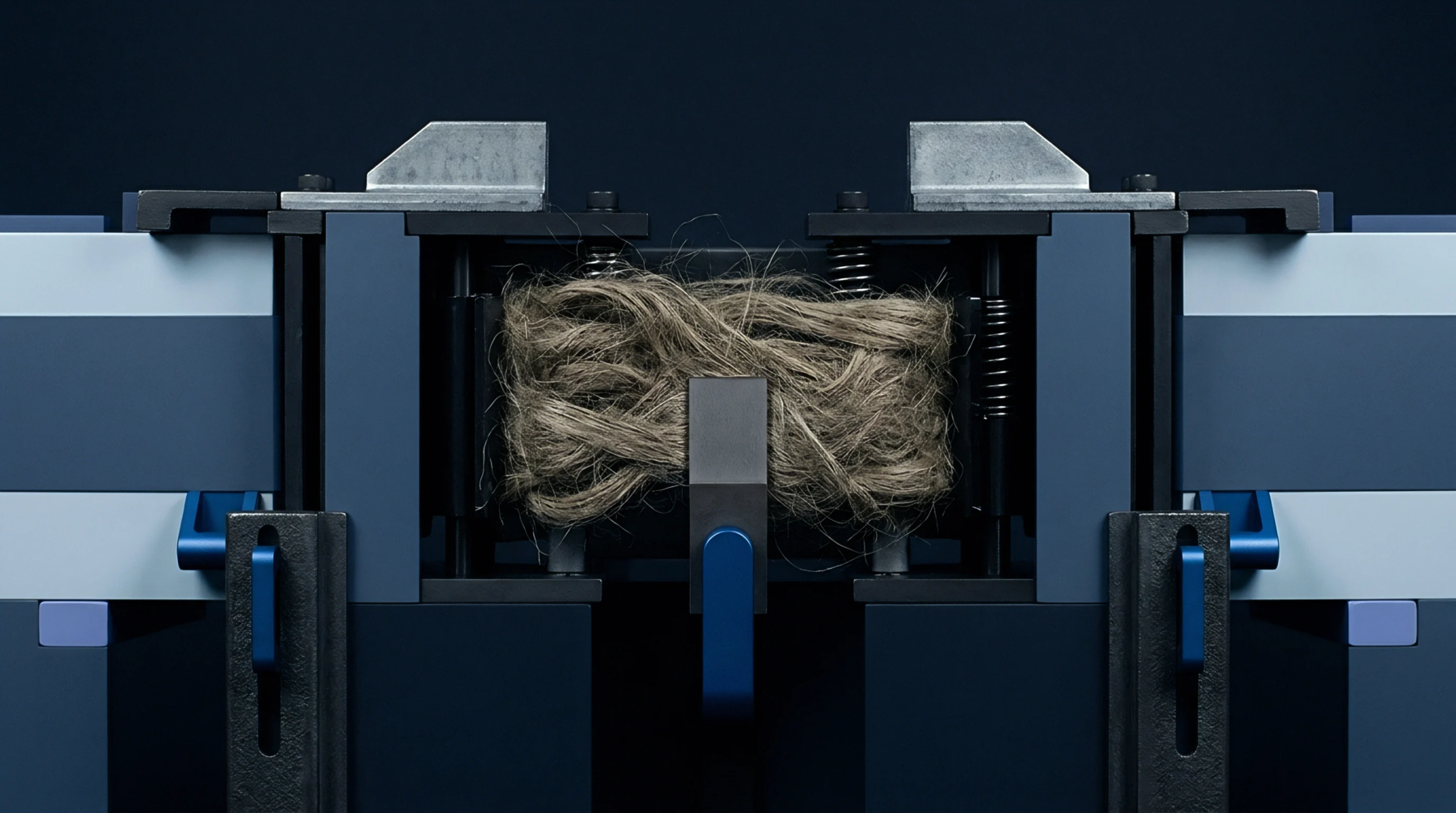
Quantitative analysis of plant anatomy relies on bast fiber microtomy during the preliminary sorting phase at provincial Chinese processing plants. Technicians mount dried stems in paraffin wax blocks before rotary blades slice cross sections measuring ten micrometers in thickness. Stained slides reveal cellular wall dimensions and lumen diameters under polarized light.
The resulting measurements populate the technical dossier accompanying each raw material shipment before spinning mills begin mechanical extraction.
Grading Differentiation
Raw material classification requires strict separation between interior fiber bundles and exterior bark matrices within the inspection protocol. Laboratory personnel record secondary cell wall thickness alongside cellulose crystallinity indices to determine ultimate yarn suitability. Spinning mills utilize these microscopic metrics to establish operational spinning parameters for fine linen production.
Fabric acceptance criteria depend entirely upon the preliminary fiber scores documented during this anatomical examination.
Export Compliance
Quality verification documents travel alongside finished textile bolts to overseas markets to satisfy international buyer specifications. Export authorities cross reference microscopic structural data against standardized commercial thresholds maintained by provincial inspection bureaus. Verification certificates confirm structural uniformity before maritime transit commences toward European ports.
Subsequent finishing procedures modify surface textures without altering the foundational anatomical metrics recorded during initial laboratory testing.