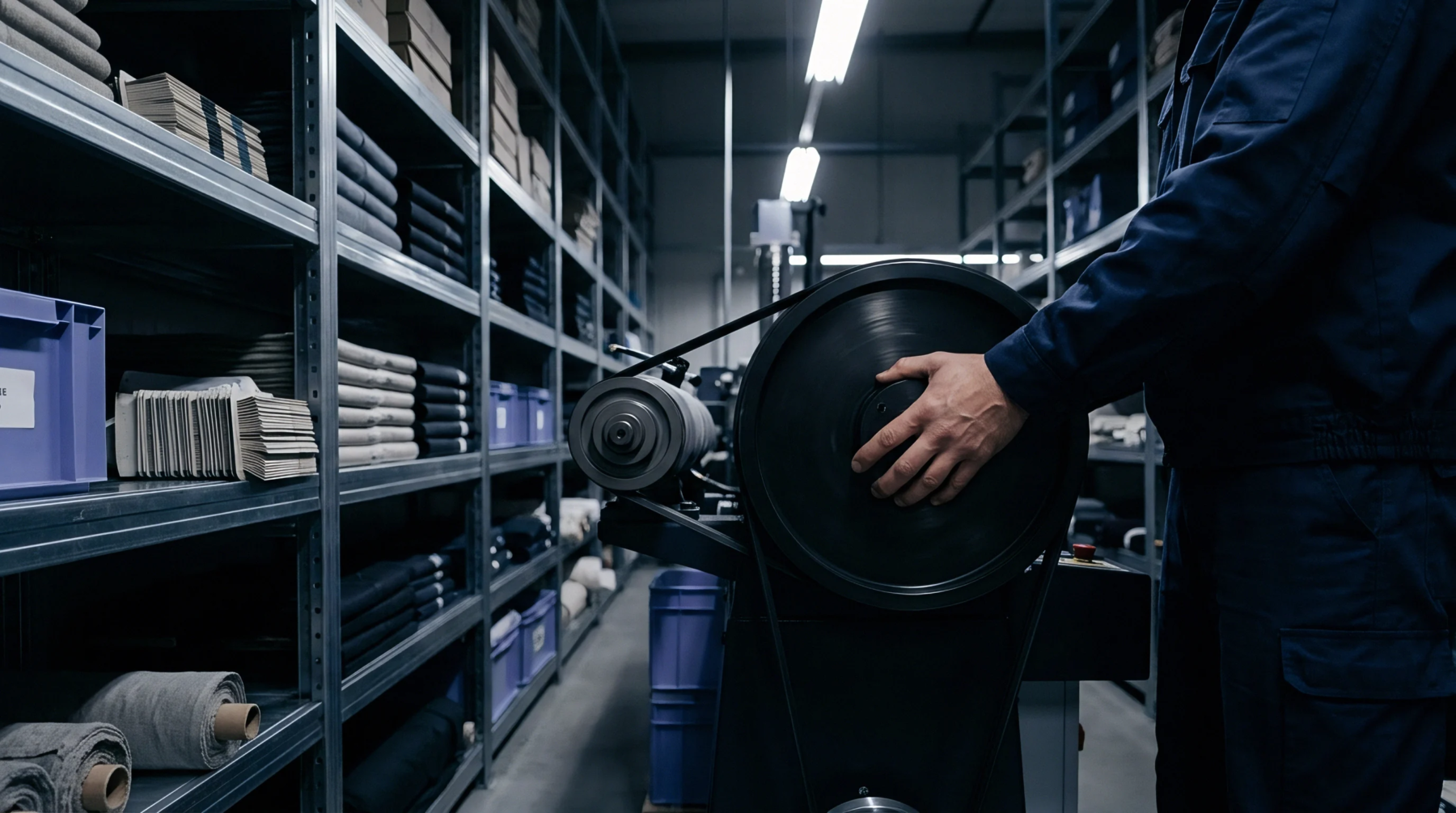
Optical Inspection
High intensity light sources positioned behind a textile sample allow workers to identify structural irregularities or impurities in the cloth. Backlighting assists the quality control team during the final finishing stage of Chinese linen production. Inspectors place rolls of fabric across a glass surface while a fixed lamp array shines through the material.
This method highlights uneven yarn thickness or foreign matter hidden within the density of the weave. The production log records these findings to ensure the lot meets the agreed density requirements for specific export orders.
Surface Uniformity
Subtle shifts in opacity across a fabric length indicate damage to the loom or inconsistency in the spinning process. Backlighting exposes pinholes or broken warp ends that remain invisible under standard overhead lighting conditions. Observers verify these faults before the fabric enters the folding or packaging phase.
Correct detection prevents flawed units from reaching the final shipping pallet.
Acceptance Protocol
Buyers establish specific density and clarity thresholds within a purchase contract to define acceptable material quality. The inspection report lists any defects found during the backlit assessment as a basis for price adjustment or batch rejection. Mills document their adherence to these standards to provide traceability from the raw flax stage to the finished textile.
Failure to address variances found by these light tests results in an automatic hold on the entire shipment.